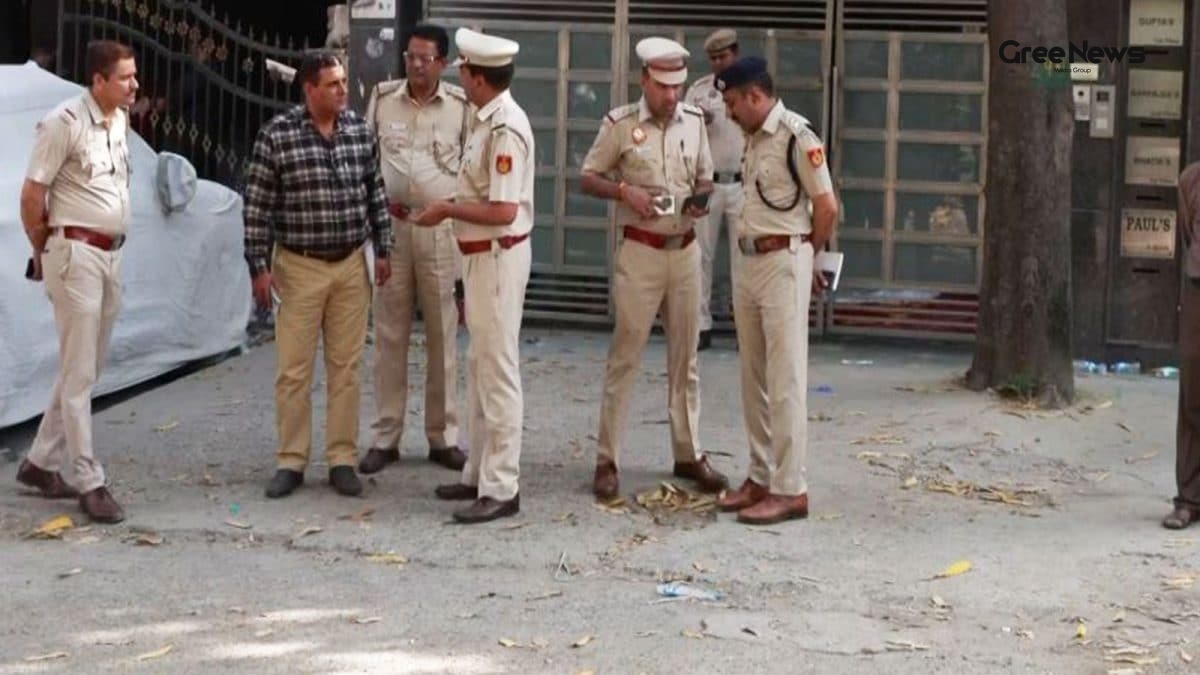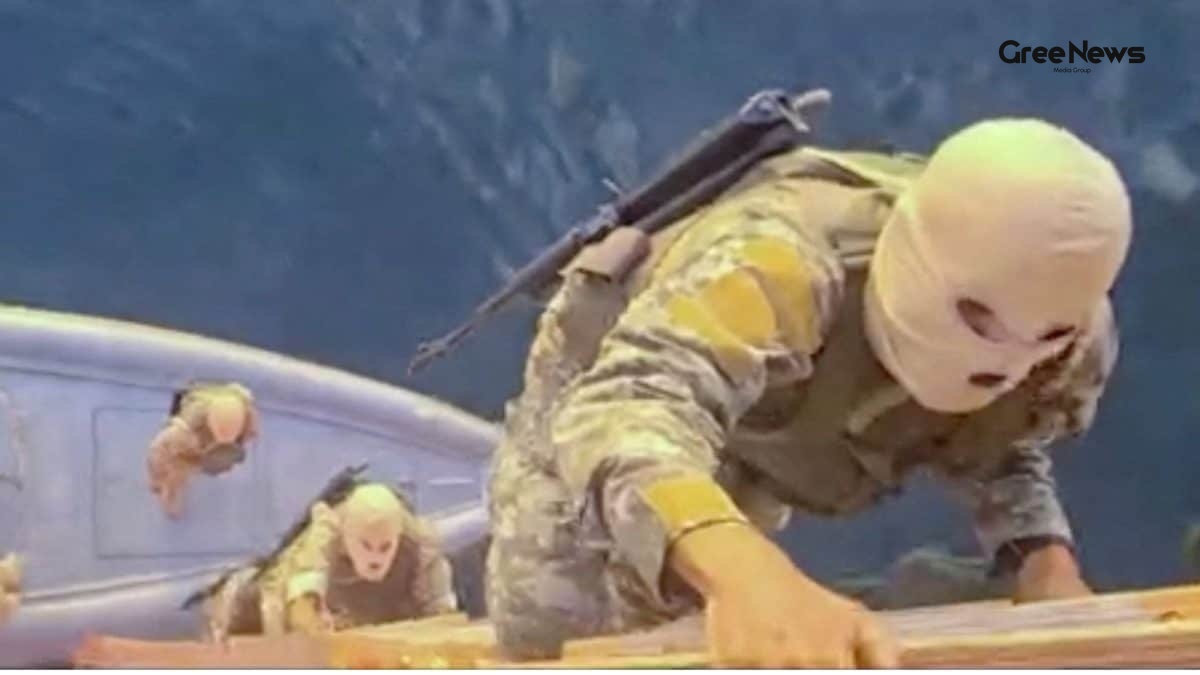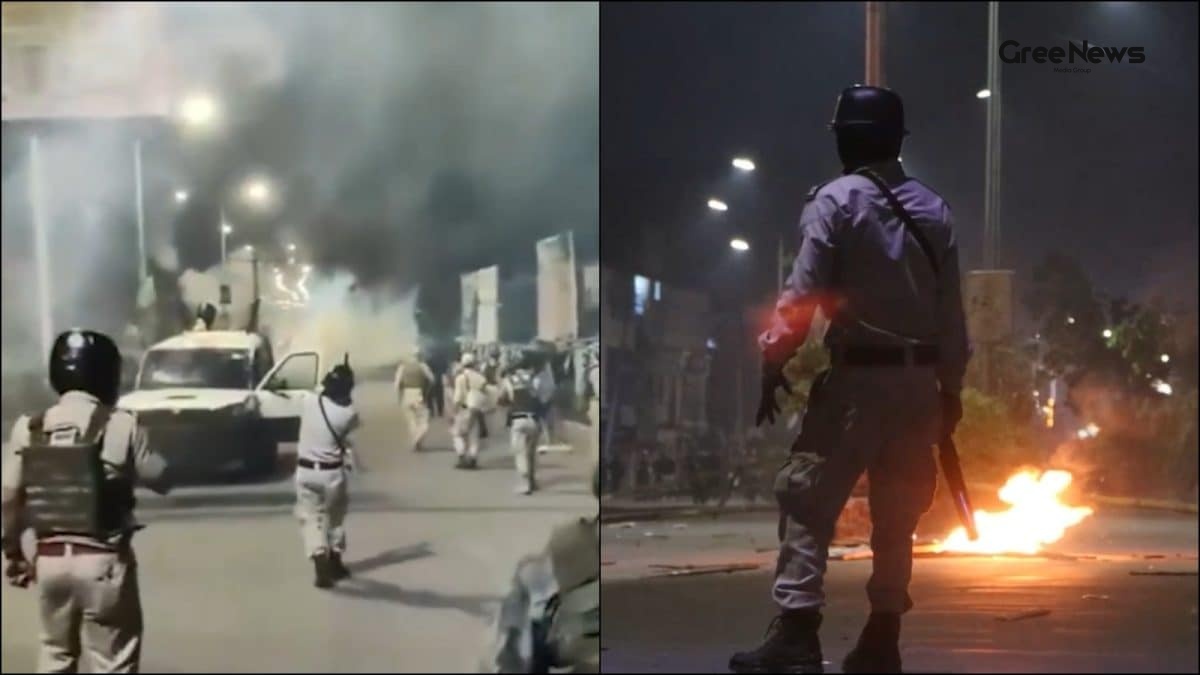
Manipur has witnessed multiple violent incidents in recent weeks, including targeted killings and attacks that have heightened fear among communities.
Let me tell you what’s been happening on the ground. Over the past couple of weeks, the atmosphere in Manipur has felt almost like a pressure cooker about to blow. You hear the chatter on the streets people talking about fresh clashes between communities, police checkpoints that suddenly appear on the highway, and reports of attacks that have left families anxious.
Now, the latest news India is buzzing with is that Central Armed Police Force (CAPF) companies, which were pulled out of Manipur to help with the West Bengal elections, are scheduled to start coming back. The idea is that these forces will begin to roll back into the state from the end of April.
Why CAPF Companies Were Redeployed in the First Place
To understand the whole picture, you need to go back a little. West Bengal, as you know, is a state where elections are always a massive event. The security demands are huge thousands of polling stations, a dense population, and a history of political unrest that makes the Election Commission very cautious.
Because of that, around 85 CAPF companies were shifted from Manipur to West Bengal to ensure the polls ran smoothly. That set aside nearly 30 per cent of the total security personnel that were originally in Manipur. In numbers, the state had more than 275 CAPF companies deployed, and pulling out 85 of them was a big deal.
Authorities maintained that the redeployment was essential to guarantee peaceful elections. After all, a chaotic election in West Bengal could have turned into a national headline, something that the central government wanted to avoid at any cost.
Back to Manipur: The Situation on the Ground
Now that the West Bengal election process is nearing its final phase, the spotlight is shifting back to Manipur. The state has been grappling with renewed tensions and sporadic incidents of violence across several districts. Over the past two weeks, all three major communities Meitei, Kuki‑Zo and Naga have been drawn into fresh violence, protests, and confrontation with security forces.
This is different from the earlier situation in Manipur. Since May 2023, the conflict broadly pitted the Meitei community, dominant in the Imphal Valley, against the Kuki‑Zo tribes of the surrounding hills. The Naga communities, concentrated in the northern districts, had largely maintained a position of uneasy neutrality.
Many people were surprised by this sudden involvement of the Naga community, which had previously stayed away from the core of the conflict. This escalation has turned the entire region into a tinderbox, making it a hot topic in trending news India.
Impact of the Temporary Reduction in Central Forces
Security officials have pointed out that the temporary reduction in Central Armed Police Force (CAPF) presence contributed to operational challenges, especially in vulnerable zones. With fewer CAPF companies on the ground, the state police and the remaining central units had to stretch their resources thin.
The feeling among locals is that the security gap left by the CAPF companies made it easier for small groups to carry out targeted attacks. In most cases, the state police had to step in, but without the additional manpower of the CAPF, their response time grew longer.
Now, as the CAPF companies start to trickle back, there is a palpable sense of anticipation. People on the streets are watching closely, wondering whether the reinforcement will bring calm or whether it will just add another layer of complexity to the already volatile scenario.
What the Return of CAPF Companies Means for Security Dynamics
When the CAPF companies finally arrive back in Manipur, they will be expected to cover the entire state again, re‑establishing the full complement of more than 275 companies. The main tasks will include patrolling the volatile hill districts, reinforcing police posts in the valley, and providing quick‑reaction teams for any fresh flare‑ups.
One curiosity hook that many observers are keen on is how the Central Armed Police Force (CAPF) will coordinate with the state police after such a brief separation. In most cases, joint operations require clear communication channels, and rebuilding those after a short hiatus can be tricky.
Nevertheless, the return of CAPF companies is likely to shift the balance of power on the ground. The presence of a large, centrally trained force can deter potential aggressors, while also allowing the state police to focus on community policing and intelligence gathering.
Broader Implications: Elections, Security, and Regional Stability
What this whole episode highlights is the delicate juggling act the Indian government faces when it comes to elections and internal security. On one hand, West Bengal needed a massive security infusion to ensure a peaceful poll. On the other hand, moving those forces away created a temporary vacuum in Manipur, a state already walking a tightrope of ethnic tensions.
It also shows how a single decision can ripple across the country, turning a regional issue into viral news that spreads quickly on social media platforms. The story has become part of the breaking news cycle, with many netizens sharing updates, videos, and personal accounts from the streets of Manipur.
With the CAPF companies set to return, the next few weeks will be crucial. Will the restored security presence help calm the situation, or will it spark new confrontations? Many analysts say that the answer will depend on how well the forces integrate with local communities and whether they can address the underlying grievances that fuel the conflict.
What to Expect Next A Look Ahead
In most cases, the comeback of the Central Armed Police Force (CAPF) companies will be accompanied by a flurry of activity: increased patrolling, checkpoint setups, and perhaps more curfew orders in the most sensitive areas. Residents are likely to see a rise in security checks at bus stations and market entrances a sight that, while reassuring for some, can also add to the daily inconvenience for ordinary folks.
Many people on the ground are hoping that the return of the CAPF companies will bring the much‑needed stability. Others, however, remain wary, fearing that a heavy security presence could aggravate tensions if not handled with sensitivity.
One thing is clear: Manipur’s story is far from over, and as the latest developments keep rolling in, it will remain a focal point of India updates across news portals, social media feeds, and television bulletins.