Why the Strait of Hormuz feels like a pressure cooker
Honestly, when I first started following breaking news about the Persian Gulf, I never imagined the everyday drama that goes on under the surface. The Strait of Hormuz is just a thin slice of water, but it’s the lifeline for a huge chunk of the world’s oil. Because of that, both US and Iran treat it like a chessboard move one piece and the whole game changes. When you read trending news India about this place, you’ll see headlines about blockades, ship diversions and, of course, seizing vessels.
What’s fascinating (and a little scary) is what actually happens after a ship is stopped. The headlines tell you that a tanker was “seized”, but they rarely explain what that means for the crew, the cargo, or the legal paperwork. I’ve been trying to piece it together from various reports, and here’s what I’ve learned.
US and Iran both taking control of ships the facts
According to the latest reports, US has seized two Iranian oil tankers, while Iran has taken at least two or three vessels from other nations. Both sides also intercept several ships only to send them back after a quick check. The pattern is pretty clear: the moment a vessel crosses a red line whether it’s a sanction violation or a perceived security threat the nearest naval force swoops in.
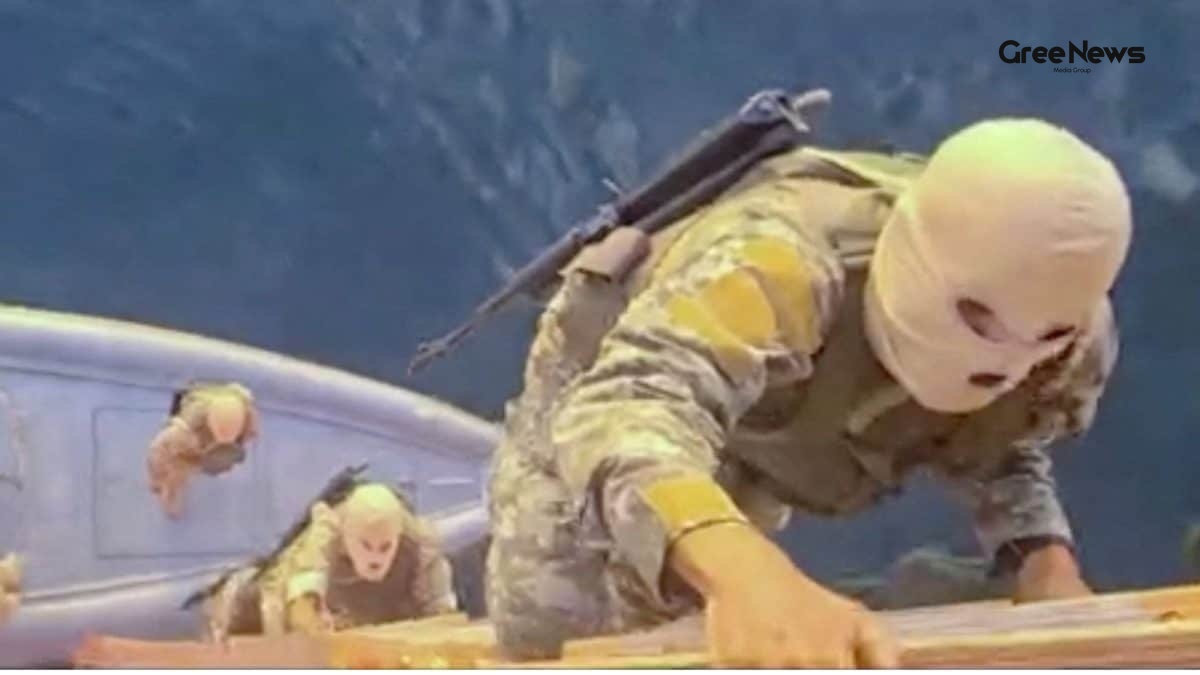
From my perspective, the key difference lies in what each side does after the initial stop. US often uses its Navy to board the vessel, turn off the main engine and keep the smaller generators humming. Iran, on the other hand, tends to escort the seized vessel straight to Bandar Abbas port, where the cargo and paperwork undergo a thorough inspection.
What usually happens after a ship is stopped?
- Taken to port: Small patrol boats surround the vessel, then guide it to the nearest friendly harbour. In most cases that means Bandar Abbas port for Iran or a US‑controlled base on the Gulf for US. Once docked, the authorities take custody of the vessel’s documents, cargo and crew.
- Stopped at sea: Not every ship is taken to a harbour. Sometimes the vessel is halted in the middle of the waterway. The main engine is turned off, but auxiliary generators keep electricity, water and air‑conditioning running. The crew stays on board, usually confined to the ship’s interior. Supplies for at least a month are typically already on board, but if the hold lasts longer, supply boats deliver extra food, water, medicine and even fresh produce.
- The law: International maritime law, especially the United Nations Convention on the Law of the Sea, says a ship can only be detained for a clear legal reason. In practice, the high‑tension environment of Hormuz means both US and Iran often sidestep these rules, treating the vessel as a bargaining chip.
What caught my attention was how the crew’s daily life changes. Imagine being stuck on a floating city with limited freedom you can move from the bridge to the galley, but you can’t step ashore. Passports are sometimes confiscated, and communication with families becomes a maze of diplomatic channels.
US and Iran’s current approach (2019‑2023 snapshot)
During the period from 2019 to 2023, Iran seized several oil tankers, while US and its allies halted many other ships. US primarily targets Iranian‑flagged vessels that attempt to breach the blockade. Most of those are ordered to turn around or change course. A few end up being taken to a US‑controlled area for a thorough inspection. In the most serious cases, US Marines board the vessel, shut down the main engine and keep the ship under military control in nearby waters.
Iran’s tactic is slightly different. After a seizure, the vessel is escorted straight to Bandar Abbas port. There the cargo is examined oil might be confiscated and sold, turning the seized vessel into a source of revenue. The crew usually stays on board, but their movement is heavily monitored.
Which ship was held for the longest time? The MV Rhosus saga
If you follow viral news about maritime mishaps, the name MV Rhosus will sound familiar. MV Rhosus, a Japanese‑built general cargo ship, became infamous after its abandoned cargo of ammonium nitrate sparked the massive Beirut explosion. The vessel was actually detained in Beirut port back in 2013 and stayed there for about seven years before sinking the longest detention we know of.
Here’s a quick recap of the MV Rhosus story, just to tie the dots:
- MV Rhosus sailed under the Moldovan flag in 2013, carrying 2,750 tonnes of ammonium nitrate destined for Mozambique.
- Due to unpaid Suez Canal tolls, the ship made an unscheduled stop in Beirut. The owner, Igor Grechushkin, tried to load extra heavy machinery to raise cash, but the ship’s weakened deck could not handle the weight.
- Lebanese authorities inspected the vessel, found severe hull corrosion and lack of auxiliary power, and consequently impounded MV Rhosus.
- While the crew, including Captain Boris Prokoshev, were forced to stay on board for nearly a year, legal battles over port fees and salaries dragged on. In 2014, a court ordered the ammonium nitrate to be moved to Warehouse 12 at the Port of Beirut for safe storage.
- Years later, in August 2020, the poorly stored chemicals detonated, causing one of the largest non‑nuclear explosions in history.
This episode shows how a ship’s prolonged detention can have catastrophic consequences far beyond the maritime arena a reminder that the human and environmental stakes are huge.
Key FAQs what happens after a ship is seized?
What happens after a ship is seized? The vessel is boarded, escorted to the seizing nation’s waters or port, and inspected for legal or security violations. Documentation, cargo and crew undergo close scrutiny.
What happens to the crew? Crew members are usually detained on board. Their safety is generally maintained, but freedom of movement is restricted. Passports may be taken, and communication with families often depends on diplomatic negotiations.
How do such incidents end? Most cases are resolved through diplomatic talks, legal claims, or vessel swaps. The timeline can vary from a few days to several weeks, depending on the level of tension between the involved countries.
My take‑away why this matters to us
Whenever I scroll through the latest news India feeds, the headlines about Hormuz always catch my eye. But the deeper story the daily life of the crew, the legal tug‑of‑war, and the economic ripple from confiscated oil is what really matters. It’s not just a geopolitical chess game; it’s about real people stuck on a floating city, about cargo that can become a disaster, and about how international law gets bent in hot zones.
If you’re a frequent reader of breaking news or you follow trending news India on maritime security, keep an eye on how each seizure unfolds. The human angle often gets lost, but it’s the part that turns a simple news flash into a story worth remembering.