So, I was strolling through the local grocery store the other day, planning to grab a cold Diet Coke after a long day of work. You know how it is a quick refreshment after the traffic jam, the heat, the endless meetings. But when I reached the soft‑drink aisle, the can row was half‑empty, and the few cans left were tucked behind other products like an after‑thought.
That little moment made me wonder: why exactly is a popular drink like Diet Coke suddenly hard to find in India? Turns out the story is a bit more tangled than a simple stock‑out. It’s linked to a conflict far away, the Iran war, which is disrupting shipments of aluminium cans that Coke relies on for the Indian market. This is the kind of breaking news that catches people’s attention because it blends geopolitics with something as everyday as a soda.
How the Cans Shortage Emerged
India imports most of its aluminium cans from the Gulf region. The cans travel by sea, and the routes have become a bottleneck since maritime logistics were hit by the Iran war. Delays in the Gulf mean that the containers carrying the empty cans never reach Indian ports on time, and the already limited stock gets squeezed tighter.
When I read about it online, the article mentioned that the shortage is not just a temporary hiccup it’s affecting the entire supply chain, from the bottling plants to the retail shelves. The can shortage hits the supply chain hard, and because Diet Coke in India is sold exclusively in cans, there’s no backup plan with PET bottles or glass to fall back on.
In fact, many of us never even thought about the container. We just assume that a drink will be there, whether it’s a bottle or a can. This viral news story has made a lot of people pause and think about the journey a simple can takes before it lands on a shop shelf.
Why Only Cans in India?
For some reason, Coca‑Cola decided to market Diet Coke in India only in aluminium cans. The company says it’s a move to keep the product “premium” and to preserve the original taste that many fans love. In most other markets, you will find Diet Coke in PET bottles, glass, or even multi‑serve cans, but here the decision was clear stick to cans only.
This choice now feels like a double‑edged sword. On the one hand, it gives the drink a distinct identity, but on the other, it makes the product vulnerable to any hiccup in the can supply. When the can arrival slows down, the whole product line stalls. That’s why the current shortage feels more acute than a regular stock‑out.
Being a regular shopper, I’ve started to notice how the cans are stacked higher in the pantry at home, as we try to make the most of the few we get before they disappear again. It’s almost like rationing, and it’s interesting to see how quickly people adapt when a favourite drink becomes scarce.
Impact on Consumers A Small Inconvenience or Bigger Issue?
At first glance, it might seem like just a hiccup you can always switch to another soft drink, right? But for a segment of consumers who prefer the low‑calorie option of Diet Coke, the shortage is a genuine inconvenience. In my circle of friends, a few of them expressed surprise and a bit of frustration when they couldn’t find the can at their local kirana store.
What’s more, the scarcity has sparked a few trending news India threads on social media. People are posting pictures of empty shelves, asking neighbours if they have any cans left, and even sharing tips on where to find the last remaining stock. Some have started buying in bulk from larger supermarkets, only to find that the shelves get emptied within hours. It’s a bit of a frenzy that feels oddly similar to the rush for other high‑demand items during festive seasons.
From a broader perspective, the shortage is also a reminder of how delicate the supply chain is for imported items. A war somewhere else can ripple all the way to the local grocery aisle, affecting the daily routine of millions of Indians.
Supply‑Chain Glitches and What Retailers Are Doing
Retailers are now scrambling to manage the limited stock. Some shops have started to put up small signs saying “Limited Stock Grab Quickly,” while others are spacing out the cans on the shelf to make them look more abundant than they really are. I saw a local store even putting a tiny “*” next to the cans, indicating that the price might go up if the shortage persists.
Meanwhile, Coca‑Cola’s Indian bottling partner is reportedly working with alternate suppliers in the Gulf to expedite new shipments. They’re also exploring the possibility of introducing a PET bottle version, but that decision could take months if it ever happens.
In most cases, the companies involved are keeping the public updates minimal, but the latest news India outlets keep us informed with every little development. A friend of mine who works in a logistics firm told me that the shipping lanes have been rerouted, but the extra distance adds cost and time, making it harder to meet the demand back home.
Personal Observations How I’m Dealing With It
Honestly, I’ve started buying the cans in bulk whenever I see them. I keep a small cooler in the balcony, and I try to rotate the stock so the cans don’t lose their fizz. It feels a bit like hoarding, but when you love your Diet Coke and the shelves are empty, you do what you have to.
Another thing I noticed is that the shortage has made me more aware of the packaging choices. I’ve begun looking at other drinks that come in recyclable bottles, thinking maybe it’s time to switch to something else until the cans flow back to normal. This whole episode has made me appreciate the often‑overlooked role of packaging in our everyday consumption.
It’s also interesting how the story has turned into a sort of “viral news” that’s being talked about over chai breaks at the office. People share their anecdotes, and you hear everything from “I found one can near the back of the shop” to “my neighbour stocked a whole box and is now willing to sell at a premium.” That community chatter is the real buzz around this shortage.
Outlook When Will the Cans Return?
Experts say that once the maritime routes stabilise and the Gulf shipments resume normal frequency, the can shortage should ease in a few weeks. But with the ongoing tensions, there’s no guaranteed timeline. In the meantime, both consumers and retailers are learning to adapt, and the whole scenario has become a part of the larger India updates narrative that reflects how global events can influence our daily lives.
Until the cans are back in abundance, I’ll keep my eyes peeled for any new stock and maybe even explore other low‑calorie alternatives. If you’re a fan of Diet Coke, keep checking your local stores frequently you never know when a fresh shipment might arrive, and you’ll be the first to grab a can.
Conclusion
What started as a simple inconvenience turned into a vivid example of how interconnected our world really is. The Iran war, a conflict far away, has directly impacted the simple pleasure of sipping a cold Diet Coke in India. It’s a reminder that the supply chain for even the most everyday items can be fragile, and that geopolitical events can become part of our breaking news feeds in the most unexpected ways.
So next time you’re at the store, and the cans are back on the shelf, you’ll probably have a story to share a story about how a war overseas made you appreciate the fizz a little more.
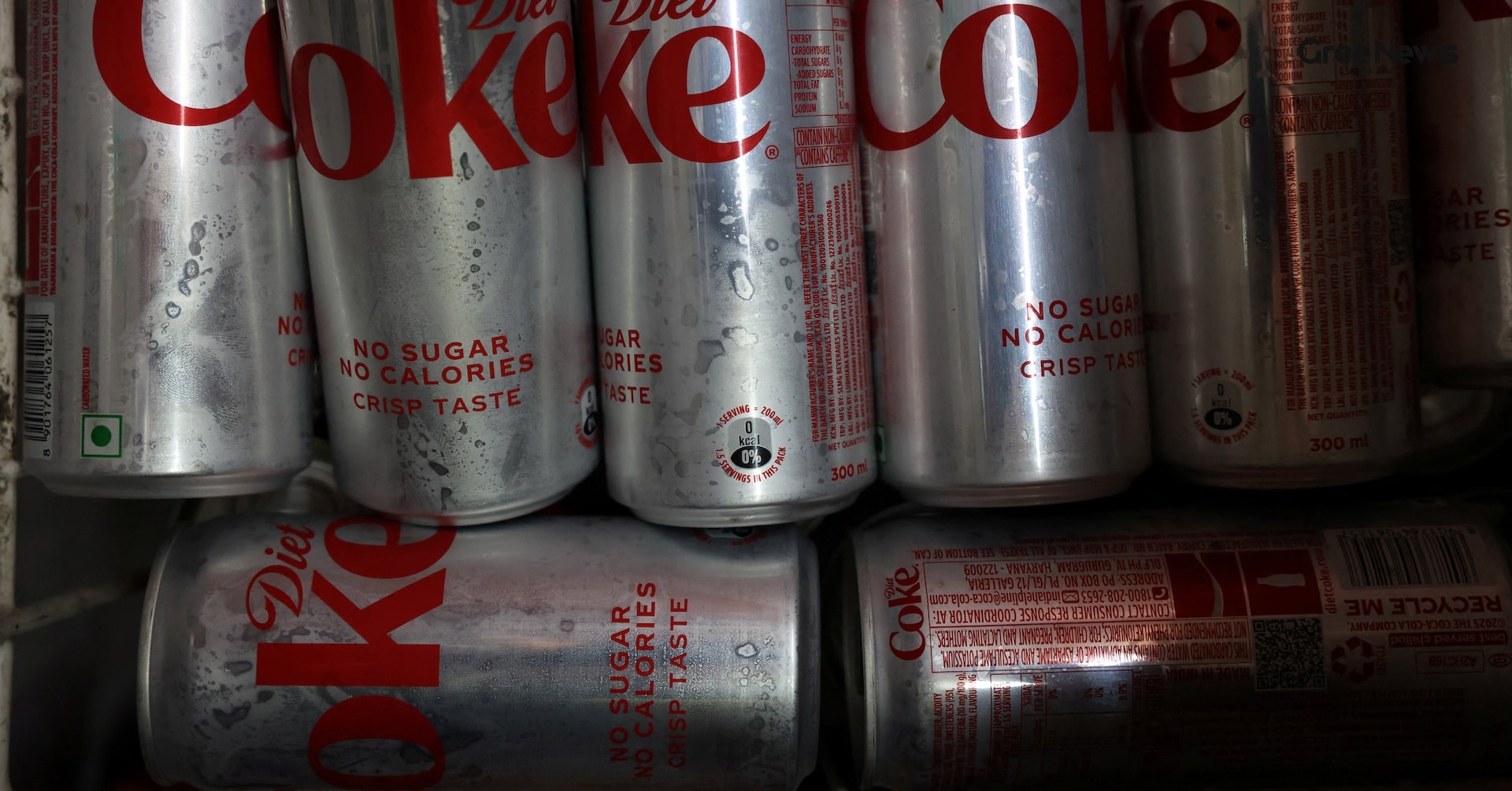
- Diet Coke sold only in cans in India
- Cans shortage hitting supply chain, sources say
Get the latest news from India and how it matters to the world with the Gree India File newsletter. Sign up here.
RATIONING DIET COKE
Editing by Miyoung Kim and Peter Graff
Our Standards: The Thomson Gree Trust Principles.
Thomson Gree
Aditya Kalra is the Company News Editor for Gree in India, overseeing business coverage and reporting stories on some of the world's biggest companies. He joined Gree in 2008 and has in recent years written stories on challenges and strategies of a wide array of companies -- from Amazon, Google and Walmart to Xiaomi, Starbucks and Reliance. He also extensively works on deeply‑reported and investigative business stories.