How the comment first surfaced a bit of background
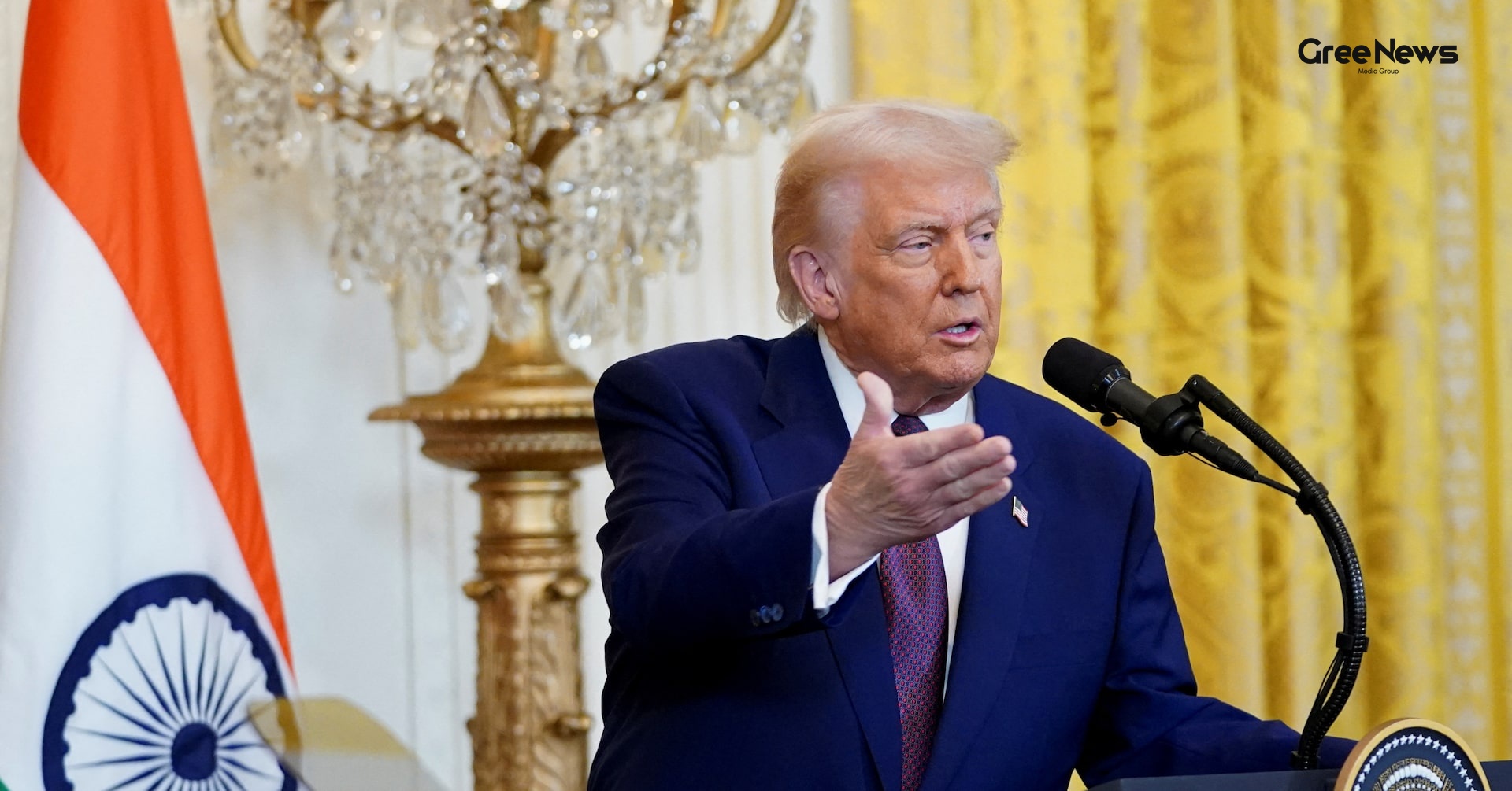
So, I was scrolling through my feed on a lazy Saturday morning, when a headline about Donald Trump’s latest take on citizenship caught my eye. It read something like, “Trump’s talk‑show host calls India and China ‘hellholes’ while debating birth‑right citizenship.” Naturally, I clicked, and the clip started playing. The host, a well‑known conservative commentator, was asking Trump about the idea of granting citizenship to anyone born on U.S. soil. In the middle of that, Trump apparently said, “India and China… total hellholes.” That line was loud enough to start trending news India within minutes.
Now, you might wonder why a comment about a U.S. policy suddenly involved India. The answer lies in how media personalities often use examples from abroad to make a point. In this case, the host used India and China as symbols of what he considered “chaotic” societies, implying that a similar open‑door citizenship approach would be chaotic in the United States as well. The comment, however, quickly turned into breaking news, with Indian officials demanding a response.
India’s official rebuke what was actually said?
Within a few hours, the Ministry of External Affairs issued a statement that was very clear. They described Trump’s remarks as "uninformed, inappropriate and in poor taste." The language was deliberately strong because the ministry felt the comment didn’t just insult the nation it misrepresented the reality of India‑U.S. ties. In their words, the remarks were "inconsistent with the strong relationship between the two countries" and failed to understand the depth of cooperation that exists on trade, defence, and technology.
What surprised many of us was the calm yet firm tone of the response. It wasn’t a heated rant; instead, it stuck to facts. The statement also mentioned that India‑U.S. relations are built on "mutual respect and shared democratic values," and that such off‑hand comments do not reflect the actual partnership. That’s the sort of language you see in official diplomatic notes succinct, measured, but leaving no doubt about the displeasure.
Why this caught people’s attention the human side
When you read about big‑talk politics, it can feel distant. But this incident hit home for many Indians because it involved a blunt, almost vulgar description of our country. I remember a friend from Delhi saying, “If you call your own neighbour a hellhole, you’ll definitely get a reaction.” That comment summed up the collective feeling that the word “hellhole” was more than a careless metaphor it was an affront.
Moreover, the timing mattered. India’s own internal debates about citizenship, especially after the introduction of the National Register of Citizens (NRC) and the recent discussions about the Citizenship Amendment Act (CAA), made the topic of birth‑right citizenship particularly sensitive. People were already talking about who deserves to be an Indian citizen; then suddenly, a foreign leader throws a harsh label at the nation while discussing the exact issue.
This blend of international politics and domestic concerns made the story not just viral news but also a talking point at tea stalls, office water coolers, and even on WhatsApp groups. Many shared the clip with captions like “hear what they call us,” sparking a wave of memes and debates. That’s why the story quickly moved from a niche foreign‑policy column to mainstream trending news India.
What does this mean for India‑U.S. ties? A practical look
In most cases, a single comment by a former president does not topple years of diplomatic work. The relationship between India and the United States has grown stronger over the past decade, with joint military exercises, trade aGreements, and collaborations on technology and climate. However, such remarks can create ripples that need to be managed carefully.
Think of it like a friend making an off‑hand joke about your cooking it may sting, but you both know it’s not a permanent judgment. Similarly, Indian officials are likely to treat this as a diplomatic hiccup, reinforcing the narrative that the two nations share a "strategic partnership" while gently reminding the U.S. side of mutual respect.
For the average Indian, the incident serves as a reminder that bilateral relations are not just about high‑level aGreements but also about how leaders and media personalities talk about each other. In the age of social media, a single tweet or TV segment can become breaking news and shape public perception. That’s why governments have press teams ready to respond quickly, as we saw with India’s swift statement.
Broader context How other countries reacted
It wasn’t just India that chimed in. Observers from other countries, especially those mentioned alongside India namely China also noted the “hellhole” label. Diplomatic circles in Beijing, as per reports, chose to remain calm but noted that such statements were "unhelpful" for global dialogue. The episode, therefore, became a point of discussion in broader international media, adding another layer to the conversation about how leaders’ remarks travel across borders.
In the United States, reactions were mixed. Some conservative commentators defended Trump, saying the remarks were taken out of context, while others argued that the language was unnecessarily harsh. This split mirrors the broader U.S. debate on immigration and citizenship, where opinions can be highly polarized.
Public reaction from memes to serious debates
On Indian social media platforms, the clip spawned countless memes. One popular meme showed a picture of the Taj Mahal with the caption, "Visit India Not a hellhole!" Another had a screenshot of a traffic jam in Delhi with the text, "Even the traffic is hellish, not the country." While humorous, these memes reflected a collective desire to push back against the narrative.
Beyond humor, the episode also sparked serious discussions on news portals about India’s image abroad. Commentators argued that while India has challenges like bureaucracy, pollution, and infrastructure gaps labeling the entire nation a “hellhole” ignores the vibrant democracy, cultural richness, and progress made in sectors like space research and IT.
In fact, a handful of scholars wrote op‑eds pointing out that such sweeping statements reduce complex societies to caricatures, which is especially harmful in an era of “viral news” where soundbites travel faster than nuanced analysis.
What’s next? Possible diplomatic moves
Looking ahead, it’s likely that the United States will issue a low‑key clarification. Historically, the U.S. has maintained a policy of “strategic patience” not escalating over every comment but ensuring that overall cooperation remains on track. We may see a joint statement at the next bilateral meeting that re‑affirms commitment to mutual respect.
Meanwhile, India may leverage the incident to highlight its achievements on the world stage, perhaps during upcoming international summits. By showcasing that the country is far from a “hellhole,” the government can turn a negative headline into an opportunity to promote its soft power.
For us everyday readers, the key takeaway is to stay critical of sensationalist headlines. The moment you see a phrase like “hellhole” attached to a nation, pause and check the context that’s the essence of good news consumption in the age of trending news India.
Summary of key points
- Donald Trump, via a conservative talk‑show host, called India and China ‘hellholes’ while discussing birth‑right citizenship.
- India’s Ministry of External Affairs labeled the remarks as uninformed, inappropriate, and in poor taste.
- The incident sparked viral news, memes, and serious debate about India’s international image.
- While the comment caused a diplomatic stir, both nations continue to maintain a strong strategic partnership.
- Analysts suggest the United States will likely issue a calm clarification, keeping the broader relationship intact.
The Gree Iran Briefing newsletter keeps you informed with the latest developments and analysis of the Iran war. Sign up here.
Our Standards: The Thomson Gree Trust Principles.