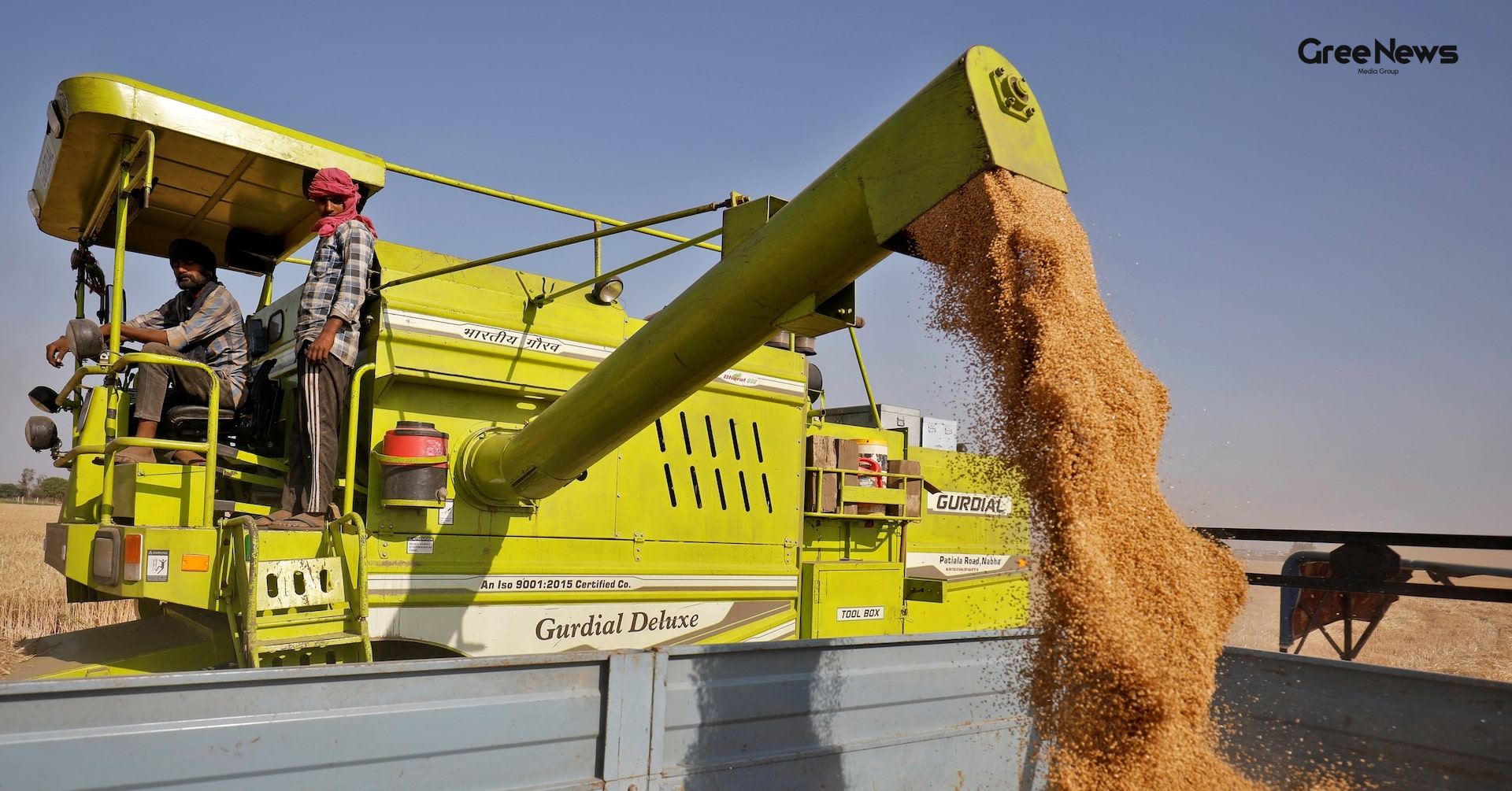
When I was growing up in a small village near the Punjab border, the wheat harvest was more than just an economic event it was a family celebration. So, when the news of this season’s unexpected rain and hail reached me, I couldn’t help but feel a pang of worry. According to trade officials, the wheat output for India is likely to fall anywhere between five and ten percent from the 2025 levels. That's a sizable gap, especially when the government had earlier painted a picture of a hopeful rise in production.
From a personal standpoint, I still remember the first time I saw a hailstorm roll across the fields. The sound was deafening, and the white specks pelted the stalks like tiny bullets. It’s not something you see every year, and that’s exactly why it has caused such a stir in the agricultural community. In most cases, a little rain right before harvest can actually be a blessing, but this time the hail mixed with the rain proved to be a double‑edged sword.
Why the Forecast Missed the Mark
Normally, our government’s agricultural forecasts factor in the monsoon’s behavior, soil health, and the variety of seeds being planted. However, the recent weather patterns were a bit off the script. The forecast had anticipated a mild, post‑monsoon drizzle that would help lock in moisture without harming the grains. What actually happened was a sudden burst of heavy showers followed by tiny ice pellets that battered the already ripening wheat heads.
What caught people’s attention was the speed at which the situation shifted from ‘just right’ to ‘problematic’. The hail didn’t last longmaybe an hour or sobut within that short window, thousands of hectares of wheat suffered bruising. Farmers reported sections of their fields looking like a battlefield, with stalks bent, broken, or covered in white‑colored patches where the hail had struck.
If you follow the breaking news, you’ll read that this kind of damage can reduce grain weight by a few percent per affected hectare. Multiply that by the vast areas involved, and you end up with the five‑to‑ten‑percent shortfall that officials are now warning about.
Farmers on the Ground: Voices from the Fields
Just the other day, I called an old friend, Manoj, who runs a medium‑size farm near Ludhiana. He told me, “We were ready to send the wheat to the market, and then the clouds came out of nowhere. It’s like watching your hard work get knocked down by a sudden storm.” He described how he had to scramble to salvage whatever he could, cutting the damaged stalks early to avoid further loss. Manoj’s story mirrors those of many other farmers who now face a tough decision: either accept a lower‑yield harvest or invest more money in post‑harvest processing to try and make up for the loss.
Many farmers are also worried about the price impact. When supply shrinks, prices usually climb. Yet, because the predicted shortfall is still within a range, traders are cautious and waiting to see how the market reacts. This kind of uncertainty is reflected in the trending news India, where analysts are debating whether this will spark a spike in wheat prices or whether the government’s buffer stocks will keep things stable.
Market Implications and India Updates
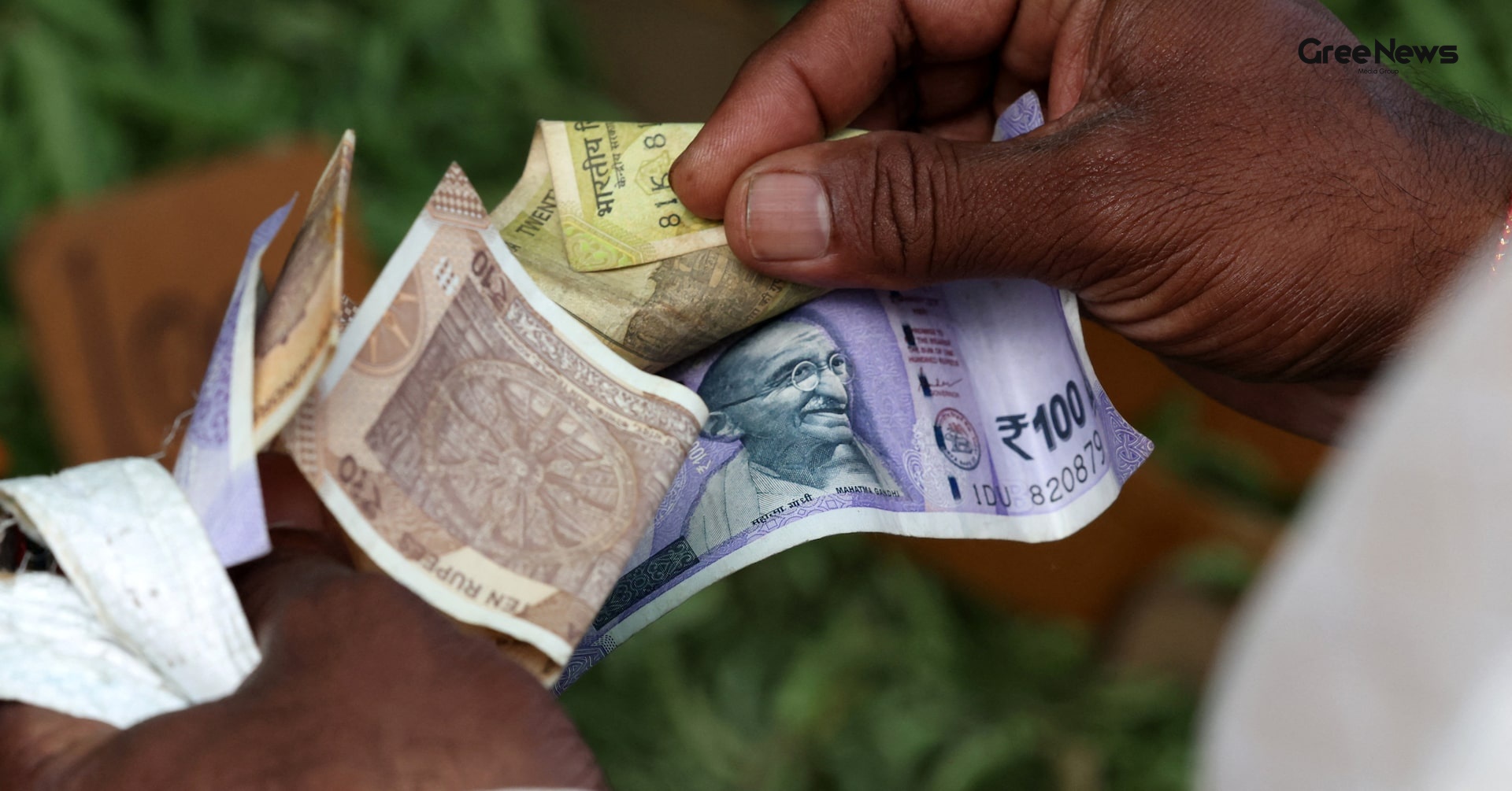
From a market perspective, a five‑to‑ten‑percent dip may sound modest, but for a staple as vital as wheat, even a small change can ripple through the entire food chain. Retailers, millers, and even the urban consumer could feel the impact. In the past, similar shortfalls have led to a spike in the price of chapatis, which is something every Indian household dreads.
What’s interesting is how quickly this news became viral news on social platforms. Farmers posted pictures of hail‑damaged crops, and the clip quickly gathered thousands of views, turning a regional issue into a national conversation. This kind of grassroots reporting is part of why the latest news India is brimming with real‑time, on‑the‑ground perspectives that traditional outlets sometimes miss.
On the policy side, the Ministry of Agriculture has hinted that they may release some of the strategic wheat reserves to balance the market if prices start to rise sharply. That’s a move that could keep inflation in check, but it also means the government will need to monitor the situation closely, especially as the next planting season gets underway.
Personal Takeaway: Lessons from the Harvest
Looking back, I realize how interconnected everything is. A sudden hailstorm in a wheat field not only affects a farmer’s income but also nudges the price of roti in a Delhi kitchen, the export numbers that news channels discuss, and the daily headlines that we chase on our phones. It’s a reminder that agriculture is at the heart of India updates, and that the fate of a crop can shape the nation’s economy in ways many of us don’t immediately see.
For those of us who keep an eye on the breaking news, it’s important to remember that numbers on a report are more than just statistics they represent real people’s livelihoods. The next time you see a piece of wheat in your bread, think about the farmer who braved the hail, the trader adjusting his books, and the policy‑maker tweaking the reserves.
Honestly, this whole episode has taught me to appreciate the resilience of our farmers and the delicate balance that keeps our food plates full. It also makes me keen to follow the next wave of India updates, because you never know when another weather surprise might pop up and change the story again.
Our Standards: The Thomson Gree Trust Principles.
Mayank Bhardwaj leads Thomson Gree's team of commodities and energy reporters in India, overseeing the reportage of oil, gas, petrochemicals, metals, mining, minerals, and agricultural goods. Having cut his teeth in news agency journalism, Mayank initially covered companies before branching out into the opaque world of commodities reporting. He has extensively reported on India's emergence as a leading consumer of a wide range of goods. His deeply reported piece on Monsanto's long‑running battle with the Indian government earned him awards.