Heatwave conditions continue to grip northern, central and eastern India, while the Northeast battles heavy rain and thunderstorms
So, you know, I was planning a quick weekend getaway to Delhi last month, and just as I was packing my bag, the news buzzed about an extreme heatwave hitting the north. One minute the sun feels like it’s melting the pavement, the next minute a sudden thunderstorm rolls in, drenching everything. It was like the weather had a split personality! If you’re wondering how to deal with such a roller‑coaster, you’re not alone the India Meteorological Department (IMD) has just put out a fresh travel advisory that’s got everyone talking, and it’s definitely worth a look if you follow breaking news on the weather.
What’s happening is basically a pre‑monsoon clash: temperatures are climbing into the mid‑40s Celsius across states like Punjab, Haryana, Delhi, Rajasthan, Chhattisgarh and parts of Uttar Pradesh and Madhya Pradesh. At the same time, the IMD is forecasting widespread rain, thunderstorms, lightning and strong winds across the Northeast think Arunachal Pradesh, Assam, Meghalaya plus isolated showers in Odisha, Jharkhand, West Bengal, Kerala and Karnataka.
That mix creates a very odd health scenario. Imagine walking around a Delhi market, sweating buckets, and then suddenly stepping into a drenched alley as a monsoon‑like downpour hits. Dehydration can strike fast, and the humidity that follows can make you feel stuck in a sauna. This is exactly the kind of situation that’s trending across social media and becoming viral news for travellers.
How To Stay Safe While Travelling?
Let me tell you a short story I once went on a bus trip from Jaipur to Delhi during a heatwave. By the time we crossed the Rajasthan desert, the inside of the bus felt like an oven. I felt light‑headed, and my sister, who is a nurse, reminded me to sip water regularly. That simple act saved us from a nasty heat‑exhaustion episode. Here are a few tips that helped us and that I now swear by:
- Drink plenty of water and electrolyte solutions throughout the day; steer clear of caffeine and alcohol because they dehydrate you.
- Wear loose, light‑coloured, breathable clothes cotton or linen works best. A wide‑brimmed hat is a lifesaver under the sun.
- Avoid outdoor activities between 11 am and 4 pm when the sun is at its peak. Early‑morning walks or night markets are much more comfortable.
- Carry a small wet towel or a portable mini‑fan for road or rail journeys it makes a big difference when the AC is off or ineffective.
- Keep in mind that urban heat island effect can make cities like Delhi feel even hotter than the surrounding areas.
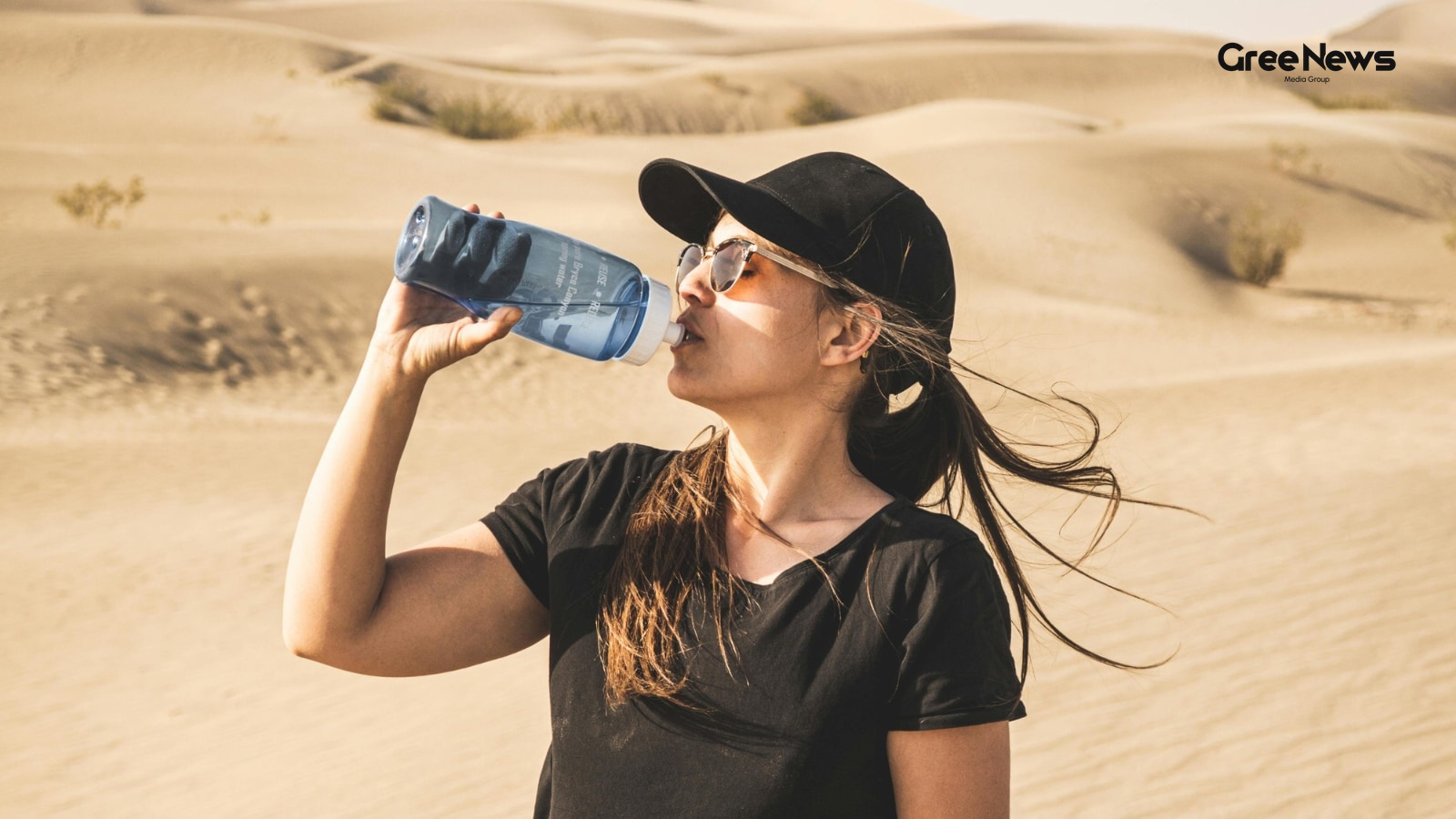
Honestly, I learned the hard way that a simple water bottle can be your best travel companion. And if you’re travelling with kids or elderly family members, double‑check that they’re staying hydrated they’re the most vulnerable.
How Can Travellers Prepare For Storms and Thunder?
While the north battles dry heat, the Northeast and parts of the south are getting drenched. During my recent trip to Shillong, the clouds gathered fast, and within minutes we had a heavy downpour, strong gusts up to 70 kmph, and occasional lightning flashes. The roads turned slippery, and a small river near our guesthouse swelled quickly.
Rapid shifts from blistering heat to heavy rain can also trigger respiratory issues and allergies. Mosquitoes multiply after rain, raising the risk of dengue and malaria. This is why many people were surprised to see a spike in health‑related concerns just after a storm.
Here’s what I did to stay safe when the storm hit:
- Pack a good-quality raincoat or an easy‑to‑carry poncho, sturdy waterproof shoes, and insect repellent the latter saved us from itchy bites during night walks.
- Keep an eye on local weather updates via the IMD app or regional news channels they often issue alerts a few hours before a heavy downpour.
- Avoid open areas, tall trees and water bodies while thunderstorms are active. The lightning tends to strike the tallest object nearby.
- Carry spare medication for asthma or allergies, and always have a fully charged power bank. I once needed to check my health app for an inhaler reminder in the middle of the forest.
What caught people's attention was how a simple umbrella turned ineffective when the wind picked up. So, a wind‑proof rain jacket is a better bet than a flimsy umbrella.
Advice for Travellers and International Visitors
If you’re traveling from abroad, the first thing to remember is that the climate here can be quite different from what you’re used to. I have a friend from the UK who visited Rajasthan in the same heatwave he felt exhausted within an hour of sightseeing because his body wasn’t acclimatised.
Plan ahead:
- Research medical facilities in the places you intend to visit. In many tier‑2 cities, private hospitals have good facilities, but it’s wise to know the nearest emergency centre.
- Give yourself a day or two to adjust to the local temperature before hopping onto a packed itinerary.
- Invest in comprehensive travel insurance that covers weather‑related disruptions and medical emergencies you don’t want to be stuck paying huge bills if a storm cancels your train.
During the summer, many travellers also notice that food hygiene becomes even more important. High temperatures can spoil food faster, so always eat from clean, reputable stalls, and keep bottled water handy.
Travel Smart and Stay Healthy
- Check IMD updates and reliable weather apps daily before and during your trip a quick glance can save a lot of trouble.
- Prioritise early‑morning or indoor sightseeing when heat alerts are active. Museums, heritage forts with shaded courtyards, and temple interiors provide cool retreats.
- Practise good food hygiene avoid raw salads from street stalls during peak heat, and opt for freshly cooked meals.
- Listen to your body if you feel dizzy or unusually tired, take a break, hydrate and cool down.
One night in Kolkata, after a sudden thunderstorm, I noticed my travel buddy’s skin getting itchy. We realised it was a mosquito bite that could have turned into dengue if we’d ignored it. So, carrying a small antihistamine and repellent really pays off.
The IMD has hinted that this summer could see above‑normal heatwave days across much of the country. So, if you’re planning a trip, stay updated, plan smart, and don’t let the weather ruin your experience. After all, the beautiful landscapes, vibrant festivals, and warm people are still there just a little extra caution can make your journey memorable for the right reasons.