My first look at the viral video
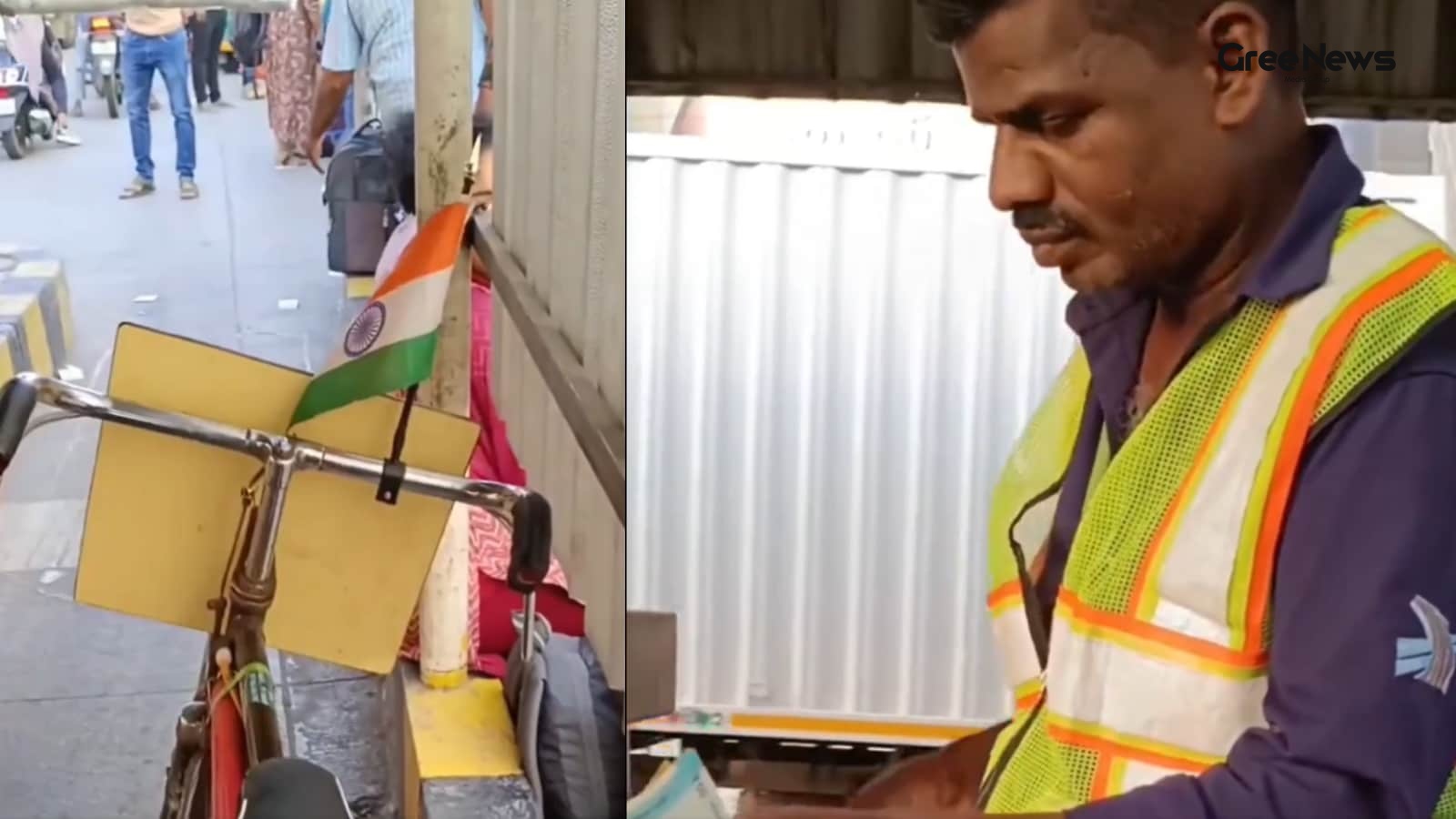
Honestly, when I first saw that clip on my WhatsApp feed, I thought it was some prank. You know how viral news spreads these days one second it’s a cat videos, the next it’s a guy shouting about a toll he never paid. In this case, the cyclist a regular bloke on a bike, not a professional racer was being stopped at the Electronics City Toll Plaza, which sits on the busy Silk Board‑Electronics City elevated corridor.
He says he was asked to cough up Rs 25, something he describes as the first time he’s faced a toll while riding his bicycle anywhere in India. That got me curious, because I’ve ridden my own cycle on many highways, and I’ve never heard of a toll for a non‑motorised vehicle. What happened next is interesting the video showed him arguing with toll staff, refusing to pay, and pointing out that bikes aren’t supposed to be on that stretch at all.
What the cyclist actually said
He starts off by saying, “I’ve travelled across India on my bicycle, but this is the first time I’ve seen anything like this.” The tone is a mix of surprise and a little bit of frustration. He tells the camera that the toll staff demanded Rs 25 and that he felt it was unfair because, according to the signage, bicycles aren’t allowed on the elevated corridor in the first place.
Official response no toll collected
After the video started gaining traction, officials from the toll authority released a statement. They said, quite firmly, that no toll was ever collected from the cyclist. According to them, bicycles are not permitted on the Silk Board‑Electronics City elevated corridor because it’s a high‑speed route meant for motorised vehicles only. The authorities claimed the rider was stopped merely to caution him, not to demand any payment.
They also mentioned that clear signboards are installed at the entry points warning cyclists and pedestrians about the restriction. In their view, the cyclist ignored those warnings, entered a prohibited zone, and therefore was subject to a verbal warning not a monetary charge. This explanation aligns with how most Indian expressways handle non‑motorised traffic: they either let you off the road or warn you, but they don’t charge you a toll.
It’s worth noting that the officials stressed that toll collection applies only to authorised motorised vehicles two‑wheelers, cars, and trucks that have the proper tags and permits. So, the question of a Rs 25 fee for a bicycle, they argue, simply never came up.
Public reaction a divided crowd
On the internet, people split into two camps quickly. One side felt the cyclist was right to be upset; they thought the toll staff should have just pointed him to the nearest exit and not asked for money. “I’ve seen similar things happen to pedestrians at metro stations,” one user wrote, “and it always looks like harassing people for a quick cash grab.”
The other side argued that the cyclist was at fault for riding into a restricted high‑speed lane. “If you see a ‘No Bicycles’ sign, you should respect it. This isn’t a park, it’s a six‑lane expressway where a bike can easily be hit by a car moving at 80 km/h,” another commenter said. This debate sparked a larger conversation about road safety, especially on Bangalore’s rapidly expanding network of elevated corridors.
Many users also shared personal anecdotes like a friend who once got stopped by police for riding a bike on the Bangalore Outer Ring Road, and another who said they once saw a scooter driver being fined for entering a metro tunnel. The common thread? A feeling that the city’s infrastructure is evolving faster than the public’s awareness of the new rules.
Why this matters safety and communication
What’s interesting here is how a simple incident can highlight a bigger issue: the challenge of communicating restrictions on urban expressways. The Silk Board‑Electronics City corridor is a crucial link for commuters, cutting down travel time dramatically. But because it’s an elevated, limited‑access road, not everyone is aware that non‑motorised traffic is completely barred.
In most cases, the authorities rely on visual signboards, but many cyclists especially those who use the route as a shortcut might miss them. That’s a problem that city planners need to think about. Maybe there should be stricter physical barriers or even audible alerts at entry points. As a frequent rider myself, I can say that clear, unambiguous signage could prevent a lot of confusion.
This incident also ties into the broader trend of breaking news stories that revolve around everyday commuters facing unexpected road rules. It shows how quickly such moments become trending news India, influencing public perception of transport policies.
What I learned from watching the clip
Watching the whole thing, I felt a mix of empathy for the cyclist and relief that the officials clarified the situation. It reminded me of a time when I tried to take a shortcut through a restricted lane near my office in Hyderabad and was stopped by a guard. I didn’t pay any fine; I was just told to turn back. The experience made me more observant about road signs, and I think many of us who ride bikes or walk around the city could benefit from that heightened awareness.
Also, the way the video spread illustrates how quickly latest news India can go viral. In under a day, the clip had been viewed thousands of times, sparking debates on multiple platforms. If you’re a journalist or a content creator, that’s a reminder to verify facts quickly because the public will form opinions fast.
Takeaway for everyday commuters
So, what’s the practical lesson here? First, always check for signboards before entering any elevated or expressway corridor they’re there for a reason. Second, if you’re stopped, stay calm and ask for clarification. Most officials will simply guide you out of the restricted zone, not demand money. And finally, keep an eye on social media for updates, because India updates about road rules often appear there before official notices.
In a country as bustling as ours, incidents like this are bound to happen, but they also teach us to be more vigilant. Whether you’re a cyclist, a motorist, or a pedestrian, knowing the dos and don’ts can keep you safe and save you from unnecessary hassle.