What sparked the viral Lenskart glass‑smashing video?
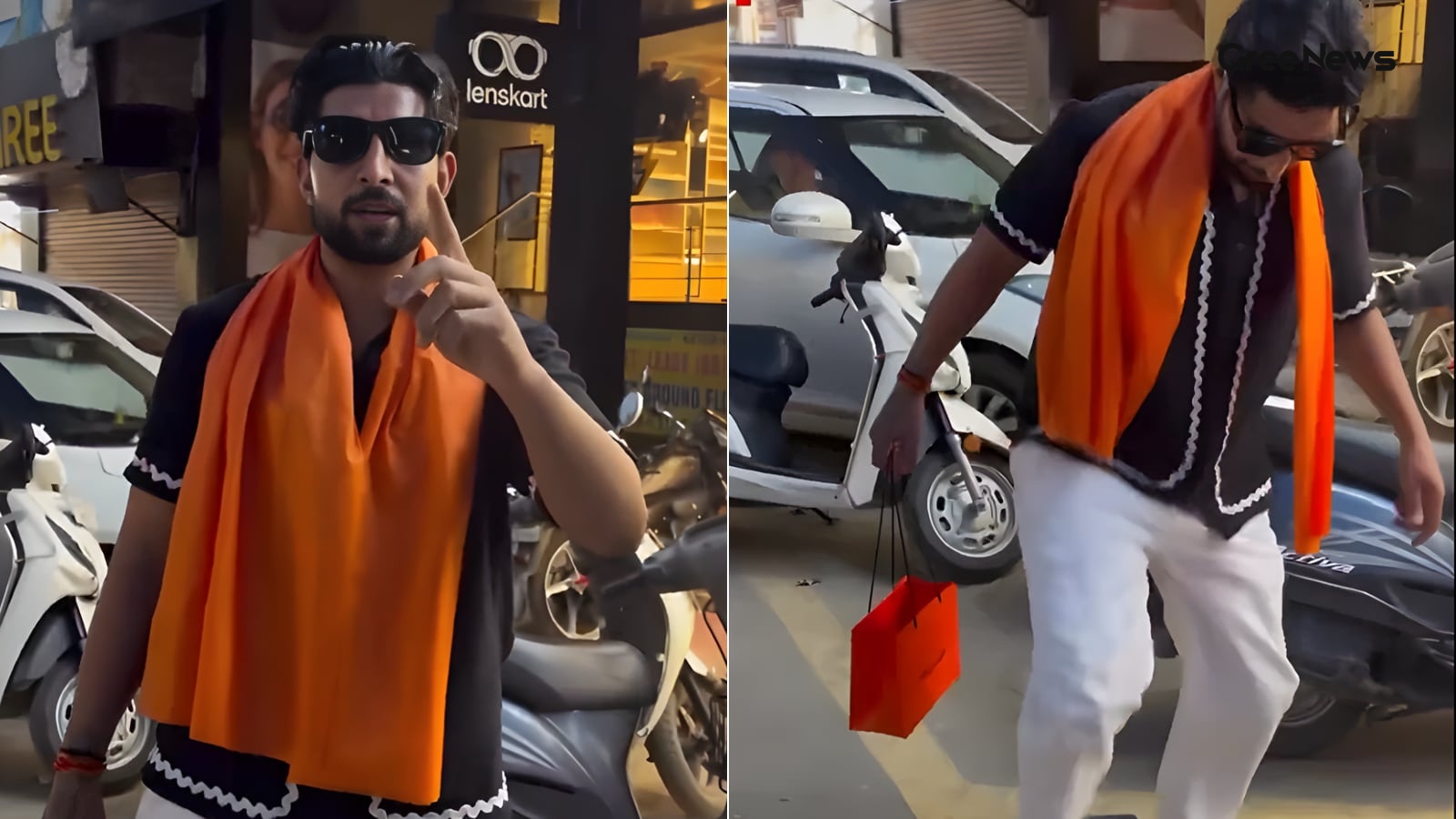
Earlier this week a clip started circulating on X the platform formerly known as Twitter and within hours it turned into a full‑blown trending news India story. The video, shared by user Mohit Chauhan, shows a man walking out of a Lenskart outlet, jangling a fresh pair of glasses that look to be worth anywhere between ten and twelve thousand rupees. He pauses, looks straight into the camera, and says something that sounds like a heated rant against perceived anti‑Hindu sentiment: “Hindu se itni nafrat kyu, jo hindu dharam ka nahi, hindu dharam unka bhi nahi.” Then, without any warning, he smashes the glasses on the floor, creating a loud crash that echoes through the store.
According to the caption that accompanied the post, the man claims he bought the glasses, paid for them, walked out, and then broke them to make a video opposing Lenskart. The caption also calls out “Highest IQ sanghis 🤡”. That line alone gave the clip a comedic flavour that helped it spread like wildfire across the internet.
Now, why would anyone break a brand‑new pair of spectacles? The answer, as many netizens quickly pointed out, is tied to a broader controversy that has been bubbling up on social media for weeks the alleged restriction on employees wearing tilaks or bindis at Lenskart stores. Some claim the retailer has a policy that silently discourages visible religious symbols, a claim which the man in the video chose to protest in a very dramatic fashion.
What happened next is interesting: the clip didn’t just sit idle. It became part of breaking news India, a conversation that spanned from comment sections to TV talk shows, with people asking “Is this real?” and “Should a protest be that extreme?” The whole episode now reads like a modern‑day street‑theatre performance, only the stage is a retail store and the audience is the entire nation.
Public reaction From mockery to genuine concern
Once the video hit the feeds, the reactions fell into several camps. Some users dismissed the act as sheer nonsense, calling it a pointless stunt. Others, more skeptical, questioned the authenticity of the purchase “Did he really pay ₹10‑12k for those glasses?” they wrote.
One comment riddled with sarcasm read, “Mein nahi maanta ke isne sahi me Lenskart se NEW sunglasses liye the… He should have filmed himself actually PAYING Rs10k‑12k (or whatever he claims to be able to afford), and then take it out of the shop to break it in an UNCUT video… Tab tak to iska virodh FAKE hai.. 😉”. The user essentially called for an “uncut” video to prove the purchase was genuine.
Another user went straight for the humor, saying, “hahah … Bhai ko koi realise karwao apne hi paiso ko laat se kuchla hai … matlab Laxmi mata (Bhagwan) ko kuchla hai … he paapi tujhe nark mein bhi jagah nahi milegi 🤣🤣”. It’s that typical Indian banter mixing religious references with memes that keeps the conversation lively.
A few commenters tried to add a practical angle. One suggested, “Instead of breaking can give it to a child who needs glasses.” That simple line reminded many of the daily reality in India where access to affordable eyewear can be a challenge for many families.
Others seized the moment to mock the protest itself, with lines like “Average IQ level of bhakt, due to too much cow dung and cow urine” and “Lenskart ke free ma advertisement ho rahe hn”. It’s clear the video became a kind of meme‑factory, where each new comment tried to out‑wit the previous.
Amidst the jokes, a few voices sounded genuinely concerned about the larger issue at play the alleged tilt‑against religious symbols in workplaces. Some users shared experiences of being told not to wear a bindi or tilak at their own jobs, drawing parallels with the Lenskart story. In that sense, the incident became a catalyst for a wider discussion on religious expression at work.
How the tilak‑bindi controversy began
To understand why this particular incident blew up, we need a short recap of the back‑story. Over the past few months, several social media posts claimed that Lenskart, a popular eyewear chain, had an unwritten rule prohibiting employees from wearing tilaks or bindis while on duty. The claim was first made in a tweet that went viral, prompting users to share screenshots of staff members allegedly asked to remove their religious markings.
From there, the narrative took on a life of its own. Some argued that Lenskart was simply maintaining a “uniform” look for its staff a standard practice in many retail chains worldwide. Others felt it was a subtle form of cultural discrimination, a feeling that resonated deeply in a country where religious symbols are part of daily life for many.
What added fuel to the fire was the timing. The controversy surfaced just as India was witnessing a series of high‑profile debates about dress codes, religious symbols, and the balance between corporate policies and personal freedoms. The Lenskart episode, therefore, slipped neatly into the broader conversation, making it a piece of trending news India almost by default.
In most cases, when a brand gets caught in such a cultural cross‑fire, the public expects a swift response an apology, a clarification, or a policy reversal. Lenskart, however, stayed relatively quiet, which, as we all know, only made the speculation louder. The silence gave space for rumors, memes, and protests like the glass‑smashing video to flourish.
Why the glass‑smashing stunt felt symbolic to many
Smashing a pair of expensive glasses isn’t just about destroying material. In Indian cultural contexts, glass often symbolizes clarity, perspective, and sight. By breaking the glasses, the protester might have been saying, “I refuse to see your biased policies”, or perhaps “I will not be a part of a system that tries to blind me to my own identity”. That’s the kind of symbolism that makes a simple act go viral.
Many viewers connected the act to historic Indian protests where everyday objects were used as symbols think of the salt march or the burnt tyres during strikes. The act, though crudely executed, instantly resonated with people who were already angry about perceived cultural suppression.
And then there’s the element of shock. When someone spends a lump sum say ₹12,000 on a present‑day fashion accessory and then destroys it in front of a camera, viewers can’t help but watch the whole thing. Curiosity drove the initial clicks, while the underlying controversy kept them watching, turning a short clip into a piece of viral news that kept popping up in feeds for days.
Even the phrase “Highest IQ sanghis 🤡” added a layer of petty irony that made the video meme‑ready. The comment “Lenskart ke free ma advertisement ho rahe hn” suggested that the whole thing might be a staged publicity stunt, a hypothesis that some users still argue about.
Real‑life parallels What Indians are saying from their own workplaces
After the video went viral, I started seeing a flood of comments where people narrated similar experiences from their own jobs. One user wrote that at a small boutique in Hyderabad, the owner asked the staff to remove their bindis during peak hours, saying it “distracted customers”. Another story came from a call‑center in Delhi where a manager allegedly refused to let a new recruit wear a tilak on the first day.
These anecdotes, while not directly linked to Lenskart, helped broaden the conversation, turning it from a single brand’s alleged policy into a national dialogue about personal freedoms at work. It’s a classic case of how a small incident can act as a catalyst for larger social reflection something we see often in India updates.
Even my neighbour, who works at a supermarket in Pune, told me that his manager once asked him to hide his bindi because it “clashed with the uniform colour”. He laughed it off then, but after hearing the Lenskart video he said he felt “validated” that many people are finally talking about these issues.
These personal stories highlight that the problem isn’t limited to a single corporate chain; it cuts across sectors, from retail to hospitality, and even within government offices. The Lenskart incident simply shone a light on a already existing tension.
What does this mean for brands and social media?
From a marketing standpoint, the incident is a textbook example of how quickly a brand can become the centre of a controversy on the internet. In most cases, a swift, transparent statement can defuse the situation like a press release or a public apology video. In the case of Lenskart, the silence turned the lack of response into an assumption that maybe they had something to hide.
Brands now know that any perceived cultural insensitivity, even if it’s just a rumor, can become breaking news India overnight. That’s why many corporations are now hiring cultural consultants to audit their policies. For Lenskart, this could mean revisiting their employee dress code and maybe even announcing a clear stance on religious symbols.
On the other side, we have the power of the internet to amplify even a single individual’s protest. The man’s decision to smash the glasses turned a personal statement into a piece of trending news India that made its way onto mainstream TV debates. It shows how a cheap (or expensive) piece of eyewear can become a symbol of something far bigger.
For the everyday Indian user scrolling through feeds, this incident is a reminder that
- We can use social platforms to voice grievances.
- Our actions, no matter how impulsive, can spark nationwide conversations.
- And yes, sometimes that conversation includes a lot of jokes, sarcasm, and memes.
All of this adds up to a case study for marketers, sociologists, and anyone who’s ever wondered how a viral clip turns into a piece of breaking news that even your local tea stall chatter picks up on.
Looking ahead Will the tilak‑bindi issue settle?
So, where do we go from here? Will Lenskart finally release an official statement clarifying their policy? Will the man who smashed the glasses be held accountable for waste, or will he become a folk hero for some? At the moment, the story is still evolving, and as with many internet‑born controversies, it may fizzle out once the next big drama hits the feeds.
What I find interesting is how this incident reflects a deeper anxiety in Indian society the fear that our cultural identity is being eroded in modern workplaces. Whether it’s about the tilak, the bindi, or even a simple hairstyle, the conversation is here, and people are not shy about speaking up.
In most cases, you’ll see the same pattern: a viral post, a wave of reactions, a brand’s delayed response, and finally a new policy or a quiet retreat. We’ve seen it happen with other retail giants over uniform policies, and we can expect a similar outcome here.
Meanwhile, the video continues to circulate as part of the latest news India round‑up, appearing on story feeds, in WhatsApp forwards, and even on TV news tickers. It has become a reference point for anyone wanting to discuss the broader topic of workplace religious freedom.
One thing’s for sure this story has taught us that in the age of social media, even a small act like breaking a pair of glasses can become a piece of viral news that sparks a nationwide debate. And that, my friend, is the power of a smartphone, a camera, and a lot of cultural pride.