What sparked the drama in Worli?
So, I was scrolling through my phone the other day when I saw a clip that had already become some of the most talked‑about viral news in the city. It showed Maharashtra minister Girish Mahajan standing on a makeshift podium in Worli, with a sea of supporters chanting behind him. The atmosphere was charged, because the rally was about the Nari Shakti Bill a proposal to give women a 33 per cent reservation in Parliament and state assemblies.
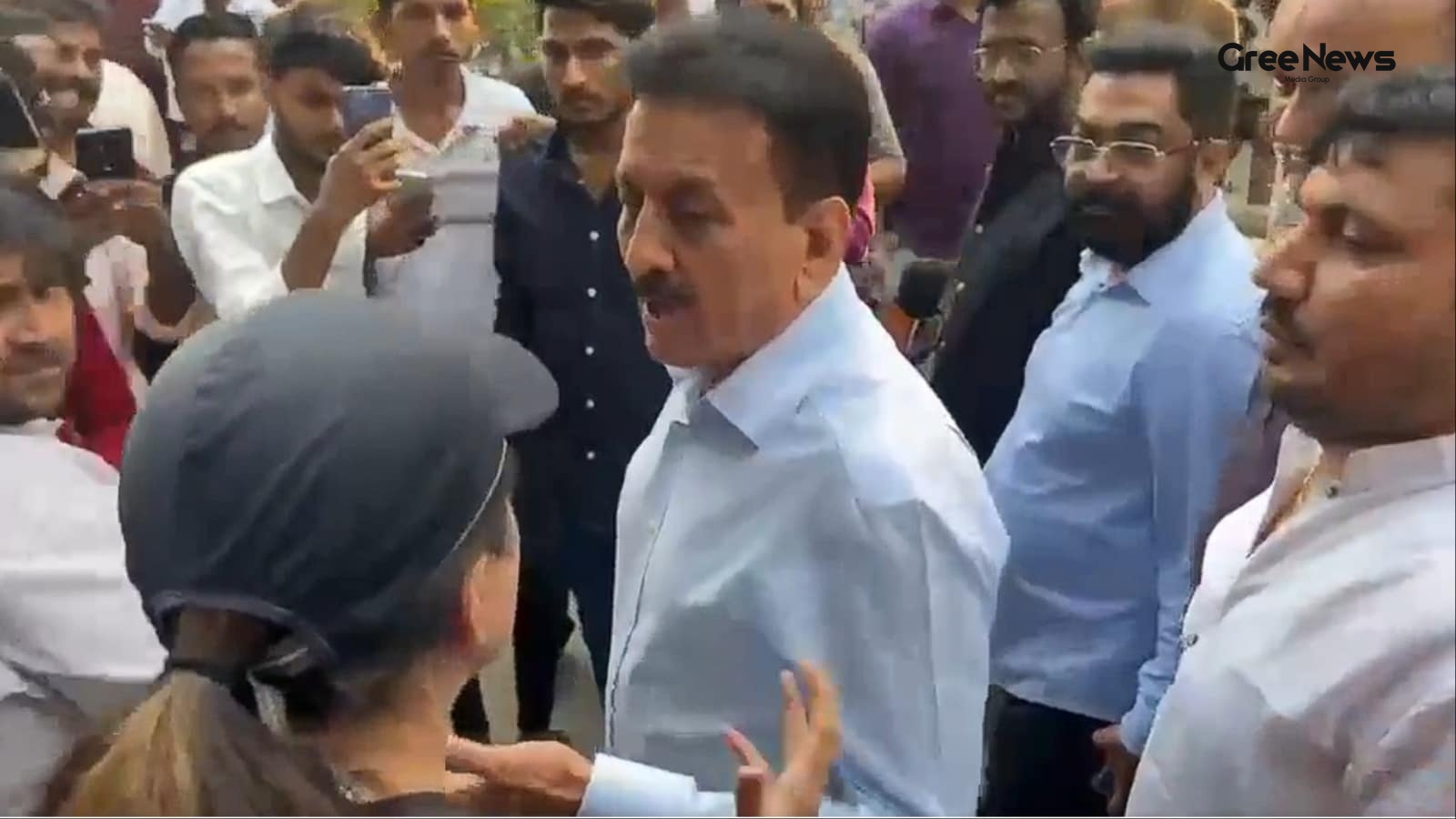
What happened next is interesting: the woman, clearly upset about being stuck for hours, tossed a water bottle at the women participating in the protest. The clip captured every angry glance and the police trying to step in. The video spread like wildfire, turning a local protest into a national conversation about the right way to demonstrate without choking daily commuters.
Girish Mahajan’s reaction a mix of apology and defence
He went on, “I will take more information and speak on it later.” He didn’t reveal much beyond that, but the key thing he did was apologise to the public for the inconvenience, acknowledging that commuters had to wait for an hour. He added that he would gather more details before commenting further. In my view, that was a decent attempt to calm the situation, though the apology felt a little rushed.
He also pointed out that the protest wasn’t the first of its kind. “Was this the first time such a protest has taken place?” he asked rhetorically, hinting that sometimes people forget that political rallies often disrupt traffic, especially in busy cities like Mumbai. He reminded viewers that the rally was for women’s rights a cause many of us support, even if the method caused a hassle.
His statement also included a subtle nudge that the woman could have used a more civil approach, like lodging a complaint with the police, rather than resorting to aggression. “Her anger itself is not wrong, but the language used in that anger was wrong,” he said. Many people were surprised by this nuanced stance it wasn’t a full‑blown denial, but a defence of the cause while still recognising the commuter’s pain.
What actually happened on the ground?
According to the PTI report that I read, the incident took place on a Tuesday during a demonstration organised by the Bharatiya Janata Party and its allies. The rally’s main target was the opposition parties, especially the Maha Vikas Aghadi, because the women’s reservation bill had just failed to pass in the Lok Sabha.
Cars and buses were stuck for a long stretch, and the woman, clearly irritated, shouted, “Get out of here. You are causing a traffic jam.” She repeated her outburst when the minister continued speaking, asking, “Did you not understand? What is wrong with you? There are hundreds of people waiting.” The police tried to intervene, but she refused to engage and demanded that nobody talk to her. The whole episode was captured on video and soon turned into one of the most discussed pieces of trending news India on Twitter and Instagram.
Seeing the clip, I could almost hear the honking horns and the sighs of the drivers stuck behind the protest. It reminded me of the countless times we’ve been stuck in traffic for hours because of road works or accidents only this time, it was a political statement that turned a routine commute into a debate about civic rights and responsibilities.
Political reactions the fire spreads
The incident didn’t stay limited to the streets. Within hours, opposition leaders started sharing the video, turning it into ammunition against the ruling party. Maharashtra Congress president Harshwardhan Sapkal posted the clip, claiming that the BJP’s “campaign on women’s reservation exposed its real face.” Former state Congress chief Nana Patole also weighed in, saying that ordinary citizens were being harassed by the BJP’s “drama.”
These comments added another layer to the story, making it clear that the debate wasn’t just about traffic. It was about how political parties choose to voice their dissent and whether they consider the everyday struggles of commuters. In most cases, protests are seen as a necessary part of democracy, but when they directly affect people’s daily lives, the backlash can be swift and intense as we saw with this particular incident.
The conversation quickly merged with the larger narrative of the women’s reservation bill. The bill, which aimed to reserve 33 per cent of seats for women, had failed to secure the two‑thirds majority required in the Lok Sabha, getting 298 votes in favour and 230 against. Opposition parties argued that the bill could affect the representation of southern states, a claim the BJP denied. This political tug‑of‑war made the Worli rally even more charged, and the commuter’s outburst became a flashpoint in the larger debate.
Why this story matters for India updates
For anyone keeping up with India updates, the Worli incident is a perfect example of how a local event can explode into a national conversation. It’s not just about one minister or one protest; it’s about how we balance the right to protest with the right of citizens to a smooth commute.
Many of us have experienced similar scenarios whether it’s a roadblock during a farmers’ march in Delhi or a rally in a small town that halted the local bus service. Those moments test the patience of daily commuters and force politicians to think twice about the location and timing of their demonstrations.
What’s also fascinating is how quickly social media amplified this episode. Within a few hours, the video had millions of views, lots of comments, and endless memes. It turned into one of the most shared pieces of breaking news that day, feeding into the cycle of trending news India and keeping the conversation alive on news portals, chat groups, and even office break rooms.
In the end, the key takeaway is that political expressions have real‑world consequences, and leaders like Girish Mahajan need to navigate that delicate balance. His apology, while brief, was a nod to the everyday frustrations of commuters a gesture that many of us appreciated, even if we still debated the rightness of the protest’s method.
Personal reflections what I learned
Honestly, watching the whole thing felt a bit like watching my own life on a screen. I’ve been stuck in Mumbai traffic for years, and I know how irritating it can be when a road is closed unexpectedly. At the same time, I support any cause that aims to empower women, so I could understand why the BJP and its allies chose to walk the streets.
What stuck with me most was the woman’s raw frustration. She wasn’t just a random commuter; she represented a voice that many of us keep buried under the honks and the rush‑hour stress. Her outburst reminded me that politics is not an abstract game it directly impacts people’s daily rhythm.
And then there’s the minister’s response. It wasn’t a perfect PR move, but it showed a willingness to listen. He said he would gather more information before speaking further, which is a responsible approach. In most cases, politicians either double‑down or completely ignore public anger. Here, a simple apology and a promise to look deeper felt surprisingly human.
Overall, this episode has become a part of the latest news India that I’ll remember for a while. It’s a reminder that civic engagement and daily life are intertwined, and that a single incident on a Mumbai road can spark a nationwide conversation about rights, responsibilities, and the very way we communicate in this digital age.