How It All Began: My First Days at TCS Nashik
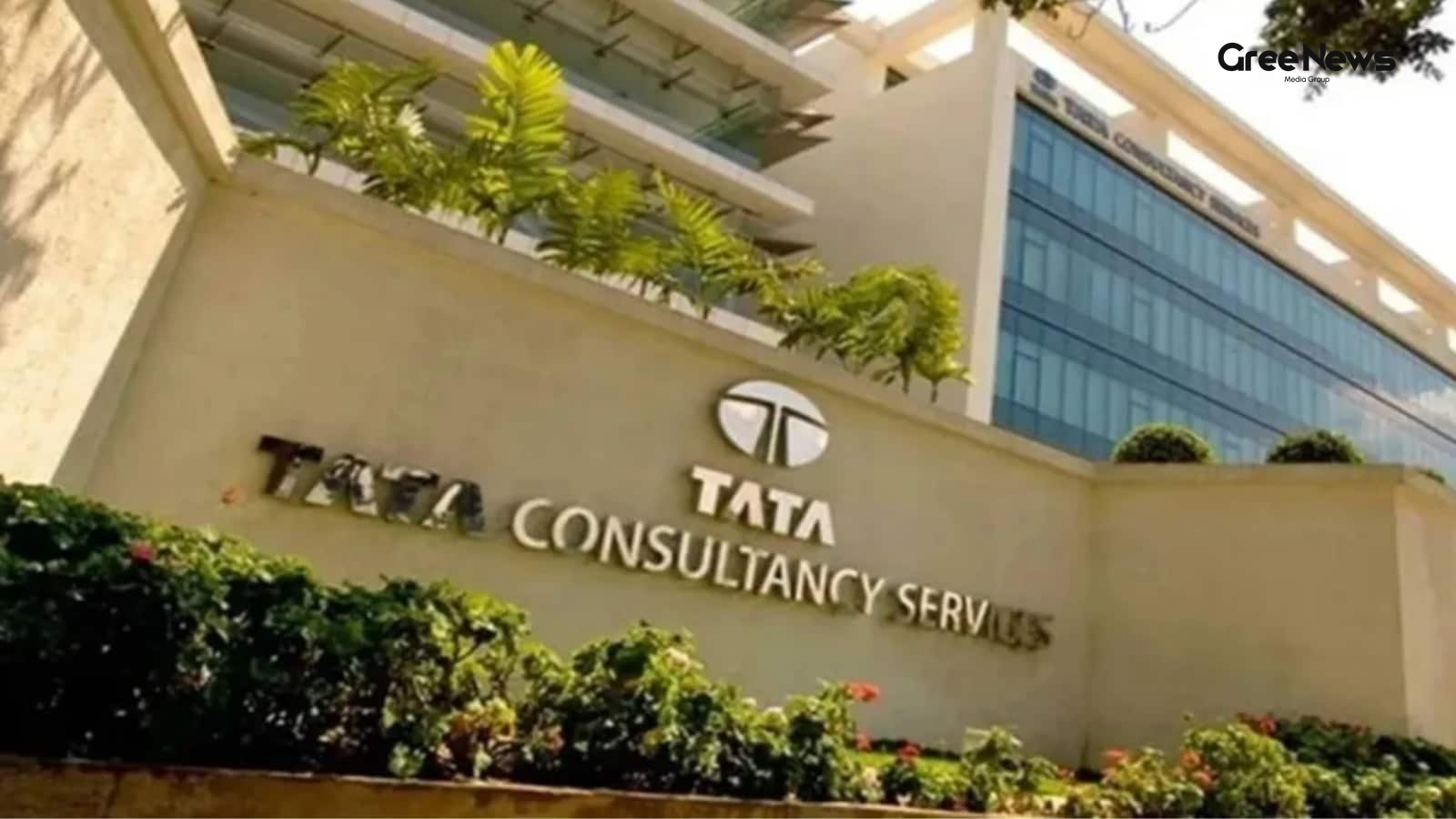
When I first joined the Tata Consultancy Services (TCS) Nashik Unit three years ago, I was excited. It felt like a big step a reputable IT giant promised a stable career and a modern workplace. I remember walking into the training room on my very first day, meeting some friendly faces, and feeling a mix of nerves and hope. Like many freshers in India, I was keen to learn, to prove myself, and to make a few friends along the way.
In most cases, the onboarding process was smooth. The Quality and Training Manager, who later became part of my story, would guide us through modules, explain the company’s policies, and even share a few anecdotes about TCS’s “zero‑tolerance” stance on harassment. Little did I know that the very room where we were taught soft‑skills would later become a stage for something far darker.
It was during one of those routine training sessions that I first noticed Raza Menon, the Team Lead of the Loans Branch, lingering near the door. He was known to be a good performer, but his demeanor was a little off‑beat, something I brushed off as just a personality quirk. You know how we often give people the benefit of the doubt, especially when they wear a badge of seniority.
But what happened next changed everything. The latest news India would later pick up this story, and it started with an uncomfortable encounter that I could no longer ignore.
The Harassment Unfolds: From Unwanted Advances to Stalking
One afternoon, after the rest of the team had left the training room, I found myself alone, reviewing a presentation. Raza Menon entered, and without any preamble, began a conversation that felt forced. He kept his distance just enough to make me uneasy, yet he kept insisting on staying close. He said things like, “You look focused, maybe we can discuss your career over a coffee.” I politely declined, thinking it was a harmless suggestion. In hindsight, it was a clear red‑flag.
He continued to follow me around the office, often appearing near my desk, in the pantry, and even during break times. Sometimes he would touch my arm lightly when trying to get my attention. I tried to brush it off as a friendly gesture, but the frequency grew, and I felt my personal space being invaded.
When I finally mustered the courage to tell him that his behaviour made me uncomfortable, he laughed it off and said, “Don’t be so sensitive, we’re all friends here.” That was the moment I realized I was dealing with more than a simple misunderstanding.
He started stalking me, showing up in places where I didn’t expect anyone to be the restroom hallway, the stairwell, even the company canteen. He would whisper remarks that crossed the line of professional conduct, and on a few occasions, he touched me inappropriately, leaving me shaken.
What struck me most was the silence that seemed to settle over the office whenever I tried to hint at the problem. People glanced away, and conversations would abruptly end. I felt isolated, as if the entire workplace had turned a blind eye.
That sense of isolation is something many women across the country know too well. In trending news India, such stories often surface after months, sometimes years, of silent suffering. My experience was no different.
Speaking Up: The First Complaint to the Training Manager
By the time the harassment had become a daily nightmare, I decided to speak up. I approached the Quality and Training Manager the same person who had welcomed me during onboarding and told him everything. I described how Raza Menon had been following me, touching me, and making me feel unsafe.
He listened, but his response was not what I expected from an HR‑aware leader. He said, “Raza’s character is already questionable. Take care of yourself and don’t stay alone.” I could sense that he was trying to shift responsibility back onto me, implying that if I avoided being alone, the problem would go away. The phrase “take care of yourself” felt like a hollow explanation, a classic way of dismissing a complaint without taking action.
After that, the Team Lead himself suggested I “hang around in groups.” The implication was clear I should never be alone, or else I would be vulnerable. It was a subtle way of blaming the victim, and many readers will find this kind of response shocking because it mirrors countless cases that have become viral news across India.
When I tried to follow the advice and stay in groups, the harassment didn’t stop. In fact, Raza Menon began spreading false rumours, trying to tarnish my reputation by linking my name with another male colleague, suggesting we were having an affair. The rumors spread like wildfire in the office, amplifying the pressure on me to stay silent.
In most cases, organisations claim they have strict policies, but the lived reality often shows a gap between policy and practice. The way my concerns were handled reflected that gap, as the official response was more about managing the office’s image than addressing my safety.
HR’s “Let It Go” Advice: The Moment That Shocked Me
After the Training Manager’s inadequate response, I escalated the matter to the HR head, Ashwini Chainani, who also serves as the operations manager. I thought, maybe at this level, the issue would finally be taken seriously. Instead, the conversation turned into something I never imagined.
Chainani looked at me and said, “Why do you need to be in the spotlight? Just let it go, drop it.” She basically asked me to forget the whole incident, as if my safety was an optional side‑note. I was taken aback. How could someone in such a senior position advise a survivor to simply ‘let it go’ when she was being harassed?
What stunned me even more was that Chainani is now among the eight people arrested in connection with the case. The fact that an HR chief could be implicated shows the depth of the problem and has added a new layer of intrigue to the saga a detail that has kept this story circulating as breaking news across social platforms.
Many people were surprised by this. The office gossip turned into a larger discussion about power dynamics, and how senior officials sometimes protect each other rather than the employee. The irony is that the very same “zero‑tolerance” policy that the company boasts became a running joke.
When I asked if there was an internal grievance mechanism I could use, she simply shrugged and reiterated that we should move forward. It felt as if the company was more concerned about its public image than the well‑being of its staff.
This moment is a turning point in many stories that become India updates because it reflects a systemic issue the reluctance of corporations to confront internal abuse head‑on.
The Police Investigation and the Wider Case
After the HR response, I finally decided to file a formal complaint with the Nashik police. I was nervous, but I felt it was the only way to get justice. A First Information Report (FIR) was lodged, and the police began probing the case.
The Special Investigation Team (SIT) of Nashik Police is now looking into a total of nine cases that have been registered in connection with alleged sexual harassment of female workers at the TCS Unit. The larger investigation includes another incident involving a 23‑year‑old BPO employee who claimed that a senior coworker, Danish Shaikh, had forced her into a sexual relationship under a false promise of marriage.
The case involving Danish Shaikh was registered under several sections of the Bharatiya Nyaya Sanhita, including section 69 (sexual intercourse obtained through false promise to marry), section 75 (sexual harassment), and section 299 (insulting religion or religious belief). These legal provisions highlight how serious the allegations are and how they intersect with broader social concerns in India.
TCS, being India’s biggest private‑sector employer, released a statement saying it had not received any internal complaint about my case and reaffirmed its zero‑tolerance policy. Yet, the very act of filing a police complaint rather than using an internal channel shows a lack of trust in the internal mechanism.
The fact that the police have arrested eight people, including the HR head Ashwini Chainani, has turned the whole incident into a high‑profile matter. Social media users have been sharing updates, making this a piece of viral news that’s being discussed in cafés, offices, and WhatsApp groups across the country.
What happened next is interesting the accused, Raza Menon, denied all allegations and claimed the rumours were fabricated. The SIT is currently collecting testimonies, checking CCTV footage, and reviewing the communication logs. The investigation is still ongoing, and many are waiting to see whether justice will finally be served.
What This Means for Workplace Safety in India
My story has become part of the latest news India segment on workplace harassment, and it raises crucial questions about how large corporations handle such complaints. The gap between policy and practice is evident while TCS loudly promotes a zero‑tolerance stance, the reality for many employees can be starkly different.
For anyone working in a corporate environment, especially women, this incident is a reminder to document every unwanted interaction, keep records of conversations, and seek external help when internal avenues fail. It also underscores the importance of having a transparent, independent grievance redressal system that employees can trust.
Moreover, the involvement of senior officials like Ashwini Chainani in the alleged cover‑up shows that accountability must reach all levels, not just the lower ranks. When top managers are part of the problem, the entire system crumbles.
Many organisations are now revisiting their harassment policies after this case went viral. Training sessions are being updated, and there is a push for more robust anonymous reporting tools. However, the real test will be how quickly these changes translate into safer workplaces for everyday workers.
If you’re reading this and wondering whether you might face a similar situation, remember that you are not alone. The growing trend of trending news India about workplace harassment reflects a societal shift people are finally talking about things that were once whispered behind closed doors.
In the end, the story continues to evolve. The SIT’s findings, the legal outcomes, and the corporate response will all shape how future cases are handled. Until then, I hope my experience adds a voice to the many survivors who are waiting for their stories to be heard, and that it encourages a deeper conversation about safety, dignity, and respect in every Indian workplace.