US seizes sanctioned Iranian oil tanker Tifani near Sri Lanka a new turn in the war that’s reaching India’s backyard
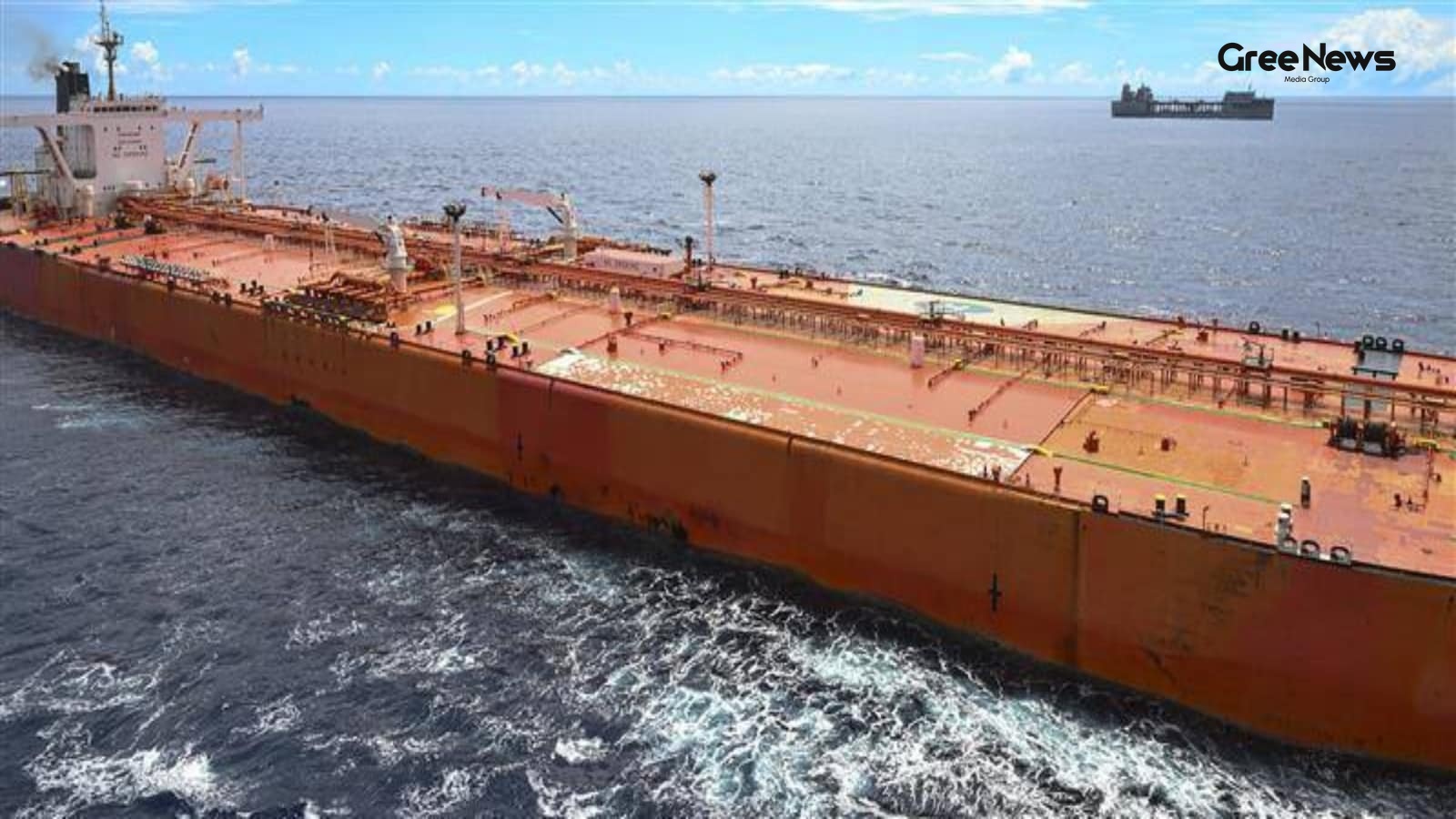
Honestly, when I first heard about the Iranian war moving beyond the Gulf, I thought it was just another headline in the breaking news cycle. But then I saw the video the Pentagon released a US helicopter lowering onto a massive tanker in the middle of the Indian Ocean. The ship was the Iranian oil tanker Tifani, and the whole thing happened not far from Sri Lanka. It felt like the war had suddenly become a neighbourly dispute, and that’s why many of us in India are now watching the story closely.
What happened next is interesting the operation went off without any shots fired, which surprised a lot of analysts. The US said the boarding was smooth, and the crew of Tifani was taken into custody. This seizure is part of a larger pattern that’s been building up for weeks, and it’s not just about one ship; it’s about the whole strategy the US is using to choke Iran’s oil lifeline.
Why Tifani mattered the story behind the vessel
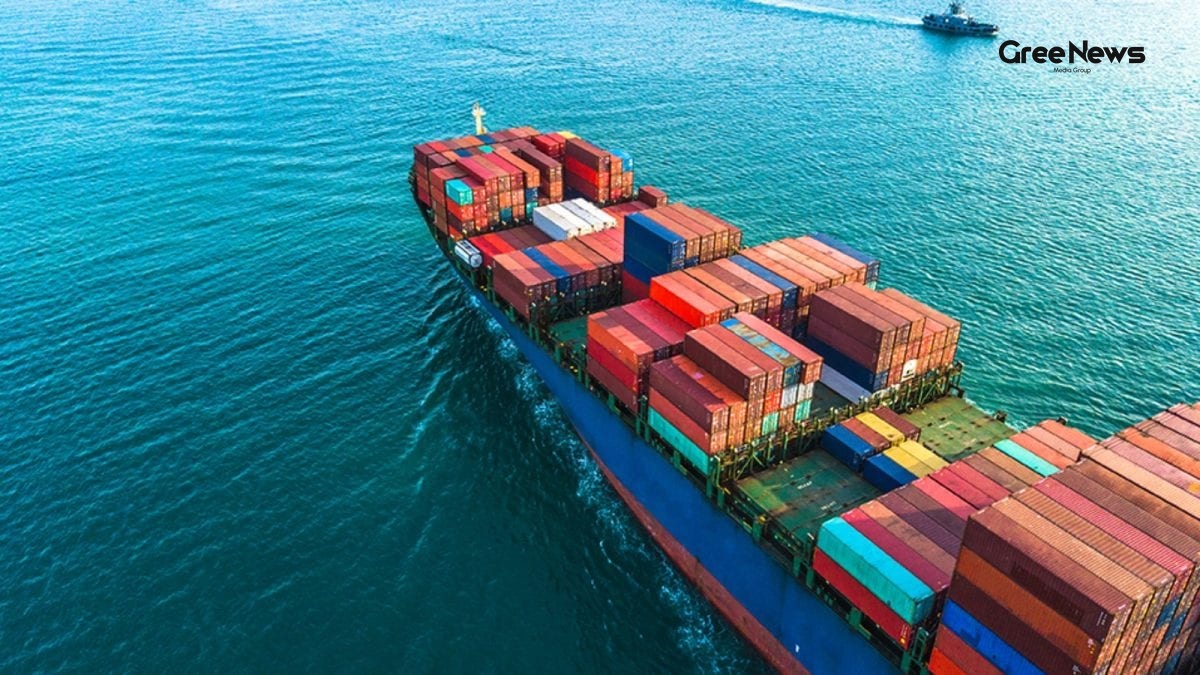
Let me give you a quick background: Tifani has been under US sanctions since last summer. The authorities accused the tanker of being part of a “dark fleet”, which basically means it was allegedly involved in secret ship‑to‑ship oil transfers to hide the true origin of the crude. The vessel can hold roughly two million barrels of oil that’s a huge amount, enough to move a significant chunk of Iran’s export capacity.
According to the reports, Tifani was loaded at Kharg Island, Iran’s main oil terminal in the Persian Gulf. Satellite tracking showed it cruising about 400 miles east of Sri Lanka before turning south‑west toward Indonesia. The timing was odd, because the US had just carried out a strike on the Iranian warship Iris Dena near the same region a few weeks earlier. It felt like the US was steadily widening its net across the Indian Ocean.
Now, you might wonder why this matters for us in India. Well, the tanker’s route passes close to the major shipping lanes that carry a lot of our own oil imports. Any disruption there can echo through fuel prices at our petrol pumps, and that’s a concern that’s quickly becoming one of the viral news topics across the country.
US naval operations now stretch across the Indian Ocean
In most cases, the US Navy used to keep its focus on the Strait of Hormuz and the Persian Gulf. But the recent seizure shows that the US is now operating far beyond those waters. Official statements say American warships are now active all the way from the Arabian Sea to the waters off Indonesia.
On the very same day as the Tifani boarding, US warships were seen escorting a merchant vessel off India’s western coast. Two other Iranian tankers Dorena and Sevin which had left the Iranian port of Chabahar before the blockade started, were also under close US watch. Satellite images placed Dorena about 300 miles west of India’s southern coast, lurking in the Arabian Sea. It felt like a game of cat‑and‑mouse, and many people were surprised by the sheer scale of the surveillance.
What’s more, US officials said they are using the speed of their destroyers to shadow any ship they suspect of helping Iran’s oil trade. The message is clear: the US naval presence is not just about protecting its own interests, but also about sending a warning to any ship that might consider smuggling Iranian crude. This development has become a part of trending news India follows, especially as it potentially impacts the safety of Indian shipping routes.
The Hormuz blockade and its ripple effect
The whole picture ties back to the US naval blockade near the Strait of Hormuz. Since the blockade began, US officials claim they have turned back at least 28 ships trying to pass through. The blockade has already caused a noticeable uptick in global oil prices, which trickles down to Indian fuel costs something every commuter feels.
Now that the US is extending its operations into the Indian Ocean, the pressure on Iran’s oil network is intensifying. The blockade, combined with the seizure of vessels like Tifani, aims to force Iran back to the negotiating table. But Iran has been firm, saying the blockade must be lifted before any talks can resume. This back‑and‑forth has become a hot topic in the latest news India reads, and many are asking whether the situation could destabilise the entire region’s energy market.
What the US leadership says the demands and the diplomacy
The US president has laid out three main conditions for ending the conflict: Iran must stop its nuclear programme, hand over its highly enriched uranium, and reopen the Strait of Hormuz for unrestricted shipping. These demands are pretty straightforward, but the reality on the ground is anything but.
While the US has announced a brief cease‑fire extension, the naval blockade is set to continue. The president also hinted that a third aircraft carrier, USS George H.W. Bush, is on its way to the region, joining the already deployed Gerald R. Ford and Abraham Lincoln carriers. Once they arrive, the US will have its largest naval presence in the Indian Ocean since the conflict began. That’s a massive show of force, and it’s definitely a piece of breaking news that’s being talked about in Mumbai cafés and Delhi office breakrooms alike.
From an Indian perspective, seeing three US carriers moving closer to our maritime borders feels both reassuring and a bit unsettling. It’s reassuring because it signals a strong deterrent against any further escalation, but unsettling because it means more military activity in waters that Indian merchant ships rely on. This delicate balance is part of the ongoing conversation in the India updates we all follow.
Ongoing US military activity more than just a single seizure
Even after the Tifani incident, US operations haven’t slowed down. Marines have been searching containers on another Iranian cargo ship, the Touska, which was seized earlier in the Arabian Sea. The vessel was disabled using naval gunfire and has since been moved further away from Iran’s coast.
Meanwhile, the US Navy is preparing to bolster its presence. The third aircraft carrier, USS George H.W. Bush, is on its way to join the fleet. Combined, these ships will give the US a formidable footprint across the Indian Ocean, from the Horn of Africa to the waters off Sri Lanka and beyond. It’s a clear sign that the conflict is no longer confined to the Gulf; it’s now a regional issue that directly touches India’s maritime security.
All this activity has made headlines become part of the viral news cycle, especially on social media platforms where users share video clips of naval vessels and discuss the possible impact on oil prices. The conversation is lively, with many of us in India trying to predict whether the increased US presence will push prices up further or force a diplomatic breakthrough.
What this means for India’s economy and everyday life
Let’s bring this back home. India imports a huge chunk of its crude oil through the routes that pass near the Persian Gulf and the Indian Ocean. Any disruption whether a blockade, a seizure, or heightened naval patrols can tighten the supply chain. That, in turn, can raise the price at the pump, affect transport costs, and even push up the price of goods that rely on fuel for delivery.
At the same time, the increased US naval activity could be a double‑edged sword for Indian shipping companies. On one hand, a strong US presence might deter Iranian smuggling ships from using Indian waters, providing a safer environment for legitimate trade. On the other hand, the heightened tension could invite more inspections and delays, which are never welcome for any trader.
Because of all this, many Indian businesses are closely watching the latest news India platforms to gauge the potential impact. The conversation isn’t just limited to geopolitics; it’s about how a single tanker seizure can ripple through the price of diesel you fill your bike with on a Saturday morning.
Looking ahead how the situation might evolve
So, what’s next? If the US keeps extending its naval reach, we could see more Iranian vessels captured or forced to reroute. That would likely keep the pressure on Iran, but it could also sustain the higher oil prices for a while longer. Some analysts think the US might use the presence of its third carrier as a bargaining chip in future talks a classic show of force that could bring Iran back to the table.
But remember, Iran has made it clear that it will not negotiate unless the blockade is lifted. This stalemate could drag on, and the Indian Ocean could remain a hotspot for a good while. As one friend of mine, a ship captain from Kochi, says, “When the sea gets noisy, the trade gets nervous.” That’s why even the smallest movement, like a tanker turning a few deGrees, becomes a piece of viral news that weekends in Delhi are abuzz about.
Whatever unfolds, one thing is certain the war that once seemed confined to the Gulf is now a part of the broader narrative that shapes our daily lives, from the price of tea to the news we share on WhatsApp groups. Stay tuned, because the next development could be just around the corner, and it will likely be another piece of breaking news we’ll all be talking about.