What sparked the buzz?
Honestly, when I first heard about the alleged arrest of Srijato Bandyopadhyay, I thought it was another one of those "too‑good‑to‑be‑true" stories that pop up just before elections. The claim was spreading like wildfire on social platforms, and you could feel that buzz in every WhatsApp group chat and on the news feeds definitely a piece of breaking news that many were sharing without checking. People were talking about it in tea stalls, offices, and even on the metro, asking if it was true or just another piece of viral news meant to stir up emotions.
What made it even more confusing was the timing. The rumours suggested that an arrest warrant had been issued against the poet, supposedly linked to an old case, and that the move was intended to keep the elections "clean". In most cases, such stories turn out to be exaggerated, but the fact that the West Bengal Chief Electoral Officer felt the need to intervene showed how seriously the misinformation was being taken.
Official response a strong denouncement
When the West Bengal Chief Electoral Officer finally posted a statement on X (formerly Twitter), the tone was unmistakably firm. They called the circulating claims a "deliberate spread of misinformation and fake news" and warned that such actions not only damage the democratic process but also erode public trust in our institutions. In plain language, they said that anyone found responsible for spreading these unverified rumours would face strict legal action.
Reading that post felt like a wake‑up call. The official statement read, "The Office of the Chief Electoral Officer, West Bengal, strongly condemns the deliberate spread of misinformation and fake news by certain individuals and sections of the media regarding the electoral process." They went on to add that these actions "undermine public trust in democratic institutions" and that "strict legal action will be initiated against those found responsible for disseminating false and unverified information." This was not just a standard press release; it was a direct appeal to citizens to stop feeding the rumor mill.
For those of us who follow the latest news India, this response was a clear sign that the authorities were taking the issue seriously, and it also hinted that legal recourse is not just a threat but a real possibility.
What the rumours actually said
The story that started the whole frenzy claimed that an arrest warrant had been issued against Srijato Bandyopadhyay in connection with an old case from a few years back. Some reports even went as far as saying that the poet might be taken into custody before the voting began. The narrative suggested that the election officials were cracking down on potential disruptors to ensure a "free and fair" poll.
What caught people's attention was the mention of an old FIR that had supposedly been filed against the poet before the 2019 Lok Sabha elections in a court in Krishnanagar. The mention of that FIR gave the story a veneer of credibility, and many readers, especially those not familiar with the poet's legal history, assumed it was true. It also reminded many of the old saying that "once a criminal, always a criminal" a belief that can easily turn into prejudice when not checked.
Even though the story seemed plausible on the surface, the Election Commission quickly dismissed it, labeling the claims as false. This move, however, did not stop the rumour from circulating further, which is why we saw a spike in what can be called trending news India about the whole episode.
Why the misinformation mattered
From my perspective, the spread of false information about an arrest, especially right before an election, is dangerous for a few reasons. First, it creates panic among the poet's followers and among people who value free speech. Second, it can be used as a tool to manipulate voter sentiment imagine if a certain community believes that a popular cultural figure is being targeted, they might rally against the authorities, affecting the overall mood of the electorate.
In most cases, the intent behind such misinformation can be to create a diversion or to discredit a particular group. The West Bengal Chief Electoral Officer rightly pointed out that this undermines public trust, and that's exactly what we see with viral news that travels quickly without verification.
Moreover, legal implications are not just about punishing the culprits; they serve as a deterrent for future rumours. The warning about strict legal action signals to everyone that spreading unverified claims is a punishable offence, which could help curb the spread of fake news in the future.
Poet Srijato Bandyopadhyay’s reaction
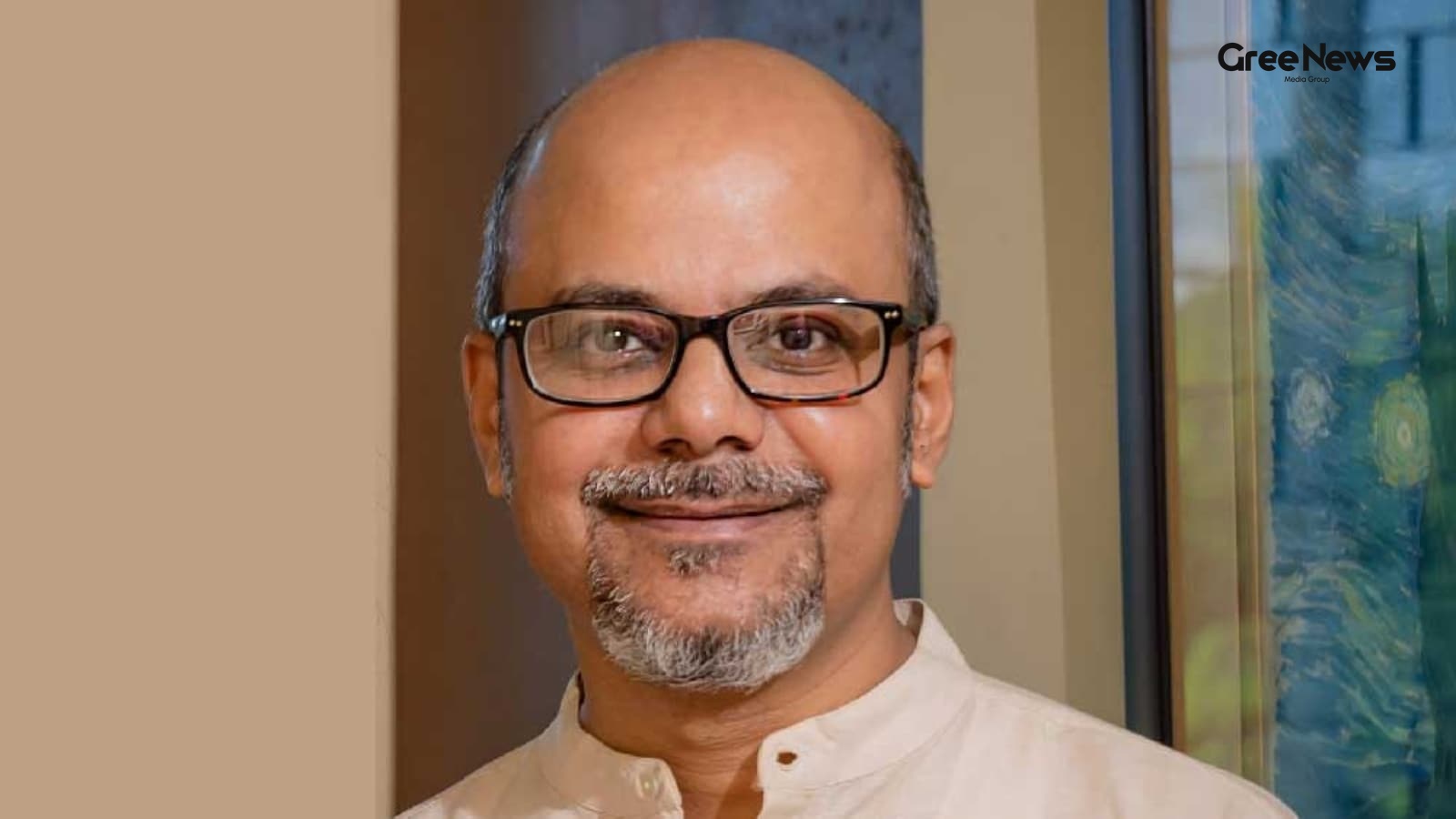
When I read about Srijato Bandyopadhyay’s own response, I was reminded of the countless times public figures have been forced to address rumours that have no basis in reality. The poet said he first learned about the alleged arrest warrant through media reports. He turned to the ideas of Plato, saying, "In an ideal state, there is no place for poets. Speaking freely and raising one’s voice are often treated as wrong in society. Perhaps that has gone a bit too far now, and one may have to pay the price."
He also mentioned that he hadn’t yet managed to get hold of a lawyer and didn’t want to respond hastily without all the details. That part resonated with me because it shows the importance of waiting for facts before reacting something we often forget when we get caught up in the hype of breaking news India.
His calm and philosophical tone, however, didn’t go unnoticed. Many fans on social media praised his measured response, while others speculated if there might be a deeper political motive behind the rumours. It was a classic case of a public figure trying to stay composed while the storm of viral news raged around him.
Background controversy old FIR and previous incidents
To understand why the rumours found fertile ground, we need to look at the poet’s past run‑ins with the law. An FIR was indeed filed against Srijato Bandyopadhyay before the 2019 Lok Sabha elections in a Krishnanagar court. The case, which stemmed from an alleged comment made during a public event, never resulted in a conviction, but it stayed in the public memory.
In addition, there was an episode of protests when he performed in Assam, leading to his detention for three hours. Those incidents, though unrelated to his literary work, painted him as a figure who occasionally clashed with authorities. When a new story about an arrest emerged, many instantly linked it to these older events, even though the Election Commission clarified that the current rumors were false.
This pattern is something we see often in India: past controversies become the springboard for fresh rumours, especially when the political climate is charged. It also explains why the story gained such traction as part of the trending news India during the election period.
Public reaction and the role of social media
What’s interesting is how quickly the story turned from a gossip piece into a matter of public concern. A friend of mine, who works in a call centre, told me that the topic even made it to the break‑time discussions. That, for me, highlighted how viral news can cross all demographic boundaries from students to senior citizens.
The West Bengal Chief Electoral Officer’s statement acted as a reality check for many, prompting a wave of shares accompanied by the caption “Fact‑check!”. It showed that when official bodies engage with the narrative, it can help curb the spread, but only if people are willing to pay attention. That’s where the responsibility also falls on citizens to verify before forwarding.
Legal implications what could happen next?
From a legal standpoint, the warning issued by the West Bengal Chief Electoral Officer is not just symbolic. Indian law provides for penal provisions against the dissemination of false information that can disturb public order. If the people behind the fake story are identified, they could face charges under sections dealing with defamation, spread of misinformation, or even cyber‑law offences.
In most cases, law enforcement agencies launch an investigation to trace the origin of the false post, which can be a tricky task given the anonymity of many social platforms. However, the mere fact that an official body is poised to take action sends a strong signal to others that they cannot hide behind the veil of “just a meme”.
This could potentially set a precedent for future elections, where misinformation is a growing concern. It may encourage faster fact‑checking mechanisms and push platforms to be more vigilant about what gets amplified during the election season.
Why this matters for democracy
On a broader level, the whole episode underscores the fragile balance between free speech and responsible communication. India updates on elections are a hot topic, and while it’s essential that people voice their opinions, spreading false claims can tip the scale towards distrust. The West Bengal Chief Electoral Officer’s decisive stance is a reminder that safeguarding the democratic process involves policing not just the ballots but also the narratives that surround them.
For anyone who follows trending news India, this case serves as a cautionary tale: not everything that trends is true. The digital age has made it easier than ever for rumours to travel across the country in seconds, but it also gives us the tools to verify and debunk them.
In the end, what happened next was that the false story faded, the poet resumed his literary work, and the election machinery continued its course. Yet the lesson lingers stay skeptical, verify your sources, and remember that the health of our democracy depends on informed citizens, not on viral gossip.