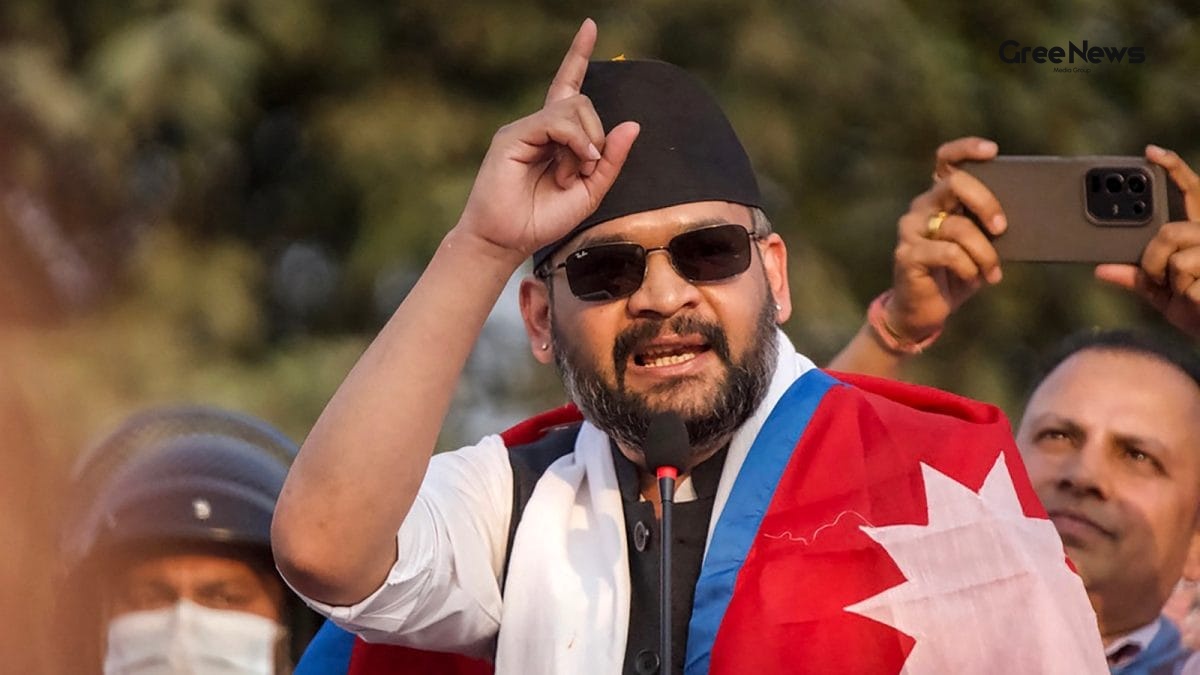
Why the new government is already in the eye of the storm
Honestly, when I first heard that Balendra Shah's cabinet was about to take charge, I thought the months ahead would be smooth sailing after all, a two‑thirds majority is like a golden ticket in politics. But within a handful of weeks, the scene turned into something you would usually see in a Bollywood thriller: protests popping up in border towns, students marching in uniform, and politicians being dragged into fresh scandals.
This caught people's attention because the issues aren’t just political; they hit daily life directly. From the moment I read about the student union ban, I wondered how many campuses in Kathmandu and the hill regions would look like a quiet library the next day. At the same time, the customs rule on Indian imports felt like a sudden rainstorm on a hot summer day for traders in Birgunj, a place where cross‑border trade is as natural as chai in the morning.
What happened next is interesting the government’s reform drive, which was supposed to be a "good governance" agenda, sparked a chain reaction that now has the whole country glued to the latest news India feeds.
Student unions under the scanner
Balendra Shah’s plan to strip political parties of their foothold in universities is being billed as a move to "de‑politicise" academia. The idea sounds sensible when you think of campus debates turning into full‑blown rallies, but the execution has been anything but simple.
According to the prime minister’s secretariat, the order was issued on a bright morning and instructed security personnel to enter campuses, take down banners, and even dismantle office spaces that belong to party‑affiliated student wings. The officials claim that vice‑chancellors have told them that student politics has become “irrelevant” after the recent wave of youth‑led protests that swept the country.
In most cases, the government has set a 60‑day deadline to clear out the old structures, followed by a 90‑day window to replace them with a new "Student Council" or "Voice of Students" framework. The rationale is that students who want to engage in politics should do it outside their academic duties a point Balendra Shah has repeated in several press briefings, saying the government will not tolerate political flags in hospitals or colleges.
But the reaction from the student community has been anything but quiet. Fourteen student wings including those aligned with the Nepali Congress and the CPN‑UML have released joint statements calling the move "undemocratic" and a direct violation of constitutional rights. Suraj Sejuwal, the spokesperson of the Nepal Student Union, said the decision is "unnecessary interference" and that student organisations represent a broader social movement, not just campus politics.
Deepak Dhami, chair of the All Nepal National Free Students Union, warned that sending police into campuses could lead to violent clashes, a scenario that many of us who grew up near university towns fear might become a reality.
Many people were surprised by the sheer speed of the crackdown. I remember sitting with a friend from Pokhara who told me that the university campus she frequents now looks like a construction site, with plain walls where colourful banners used to wave. She wondered whether academic freedom could survive this kind of top‑down approach.
The Rs 100 customs rule that sparked a border uproar
At almost the same time, another policy went live that made traders in the southern plains raise their eyebrows. The government started strictly enforcing a rule that any goods worth more than NRS 100 brought in from India must now pay customs duties. Previously, people could bring small household items across the open border without any formalities it was part of the daily rhythm for many families.
The officials argue that the move is needed to stop revenue leakage and protect local markets that have been losing customers to Indian shops. They say the zero‑tolerance stance will stop illegal imports and help Nepal’s own manufacturers. On paper, that sounds reasonable. In practice, though, the rule feels like a sudden roadblock for ordinary folks who have been accustomed to a more relaxed cross‑border flow.
Imagine a farmer from a Madhesh village who needs a specific type of fertilizer that is only available in India. Before the rule, he could drive a short distance, pay a tiny fee, and be back home. Now, the same trip could mean a hefty customs charge, a bureaucratic headache, and possibly a delay that could affect his crops. That kind of day‑to‑day impact is what has turned the policy into what many call an "unannounced blockade".
Critics have also pointed out that the Rs 100 threshold is far too low for typical household purchases. Even a small packet of rice or a set of utensils can easily cross that limit. As a result, families already grappling with rising living costs are now forced to choose between essential imports and other necessities.
The enforcement has been aggressive joint monitoring teams from the Nepal Police and the Armed Police Force (APF) are now a common sight at border points, and private Indian‑registered vehicles need prior authorisation to enter Nepal. This has caused logistical headaches for truck drivers who regularly move goods between the two nations.
Many people were surprised by how quickly the policy affected daily life. I spoke to a shopkeeper in Birgunj who said his customers now complain about every little purchase from a toothpaste tube to a packet of cookies being flagged at the border. He joked that soon they might have to ask the government to lower the threshold a bit, or else the whole market will shift back across the border.
Home Minister Sudan Gurung under fire
While the student union and customs issues dominate headlines, another story is simmering in the background: allegations of financial misconduct against Home Minister Sudan Gurung. Opposition parties and street activists are demanding his immediate resignation, citing reports of disproportionate assets and suspicious business links.
These accusations have added another layer of tension to the already volatile atmosphere. Protesters have taken to chanting "Gurung out" in the streets of Kathmandu, and the demand for a clean image has become a rallying cry for many who feel the government has strayed from its promised transparency.
Sudan Gurung’s case is especially interesting because it reflects a wider concern about corruption in high‑office, a theme that often surfaces in the trending news India space. The opposition claims that if the minister is allowed to stay, it undermines the whole reform agenda that Balendra Shah is trying to push.
In most cases, the government has tried to downplay the issue, stating that investigations are ongoing. Yet, the relentless protests suggest that the public’s patience is wearing thin, and many fear that the next big flashpoint could be an unexpected violent clash.
Who’s on the streets? The faces of the protest
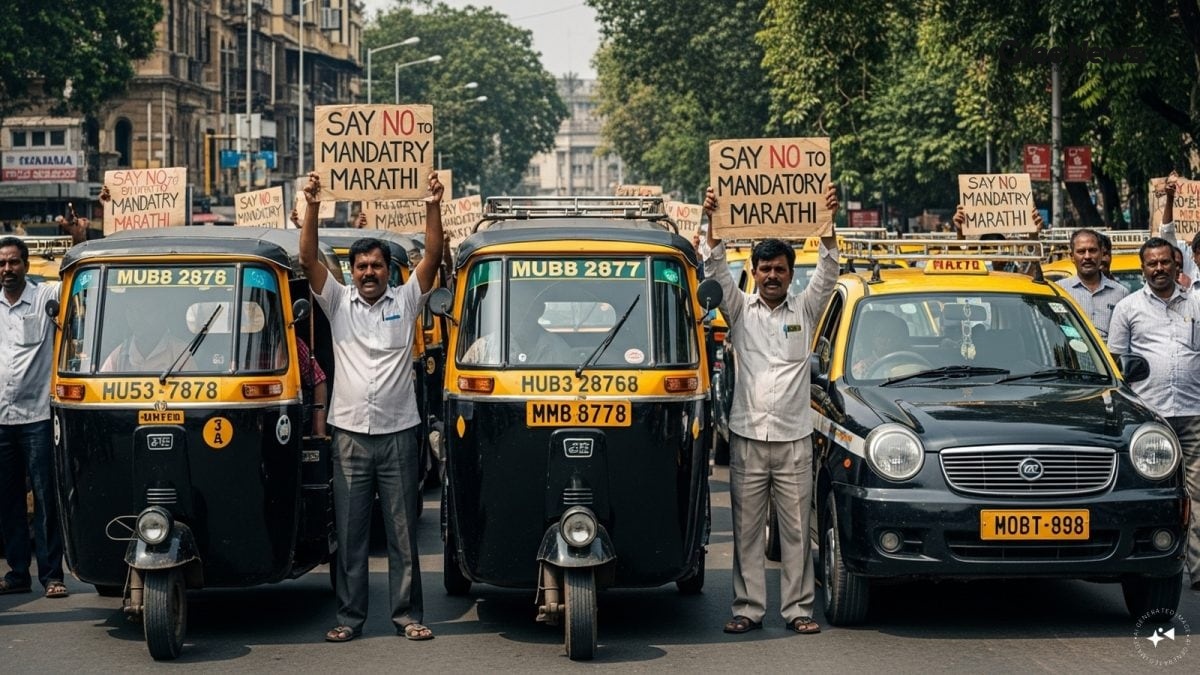
If you were to walk through the main thoroughfares of Kathmandu today, you’d see a diverse crowd students in bright school uniforms, traders carrying hand‑drawn placards, and elderly citizens holding umbrellas while shouting slogans. The visual of thousands of students marching together, their chants echoing off the historic Singha Durbar walls, has become an iconic image of this unrest.
What’s striking is how the movement has spread beyond traditional political supporters. Many of the protestors are ordinary citizens who have never attended a rally before, but they’ve joined in because the policies affect their families directly. A mother I met in a market near the border shared how the Rs 100 customs rule meant she could no longer afford to buy certain medicines for her child from the nearest Indian town, forcing her to seek more expensive alternatives.
These personal stories are what keep the public hooked on the coverage they turn abstract policies into lived experiences. That’s why this story has become viral news on social media, with short videos of student protests gaining thousands of views within hours.
Balendra Shah’s dilemma: reform or reaction?
Now, as Balendra Shah’s government steps into its second month, the prime minister faces a delicate balancing act. On one hand, he wants to push forward with his "pro‑active" reforms dismantling old student union structures, tightening border controls, and championing a clean‑government image. On the other hand, the growing scale of protests suggests a broader political challenge that could stall or even reverse his agenda.
Many observers are wondering whether the government will relax the Rs 100 customs rule or offer a compromise on the student union ban. Some insiders say Balendra Shah is considering a phased approach, allowing certain student organisations to continue under strict non‑political guidelines. Others argue that any back‑pedalling might be seen as weakness, especially when the opposition is already gearing up to capitalise on the unrest.
What’s clear is that the situation is evolving fast, and every new development feels like a fresh episode in a gripping drama. The next few weeks will likely determine whether Balendra Shah’s reforms become a lasting legacy or a cautionary tale of over‑ambitious policy‑making.
For anyone following the latest news India feeds, this saga ticks all the boxes of breaking news, trending news India, and viral news and it’s a reminder that political change rarely happens without a ripple effect on everyday lives.