Telangana RTC Bus Strike: The Situation on the Ground
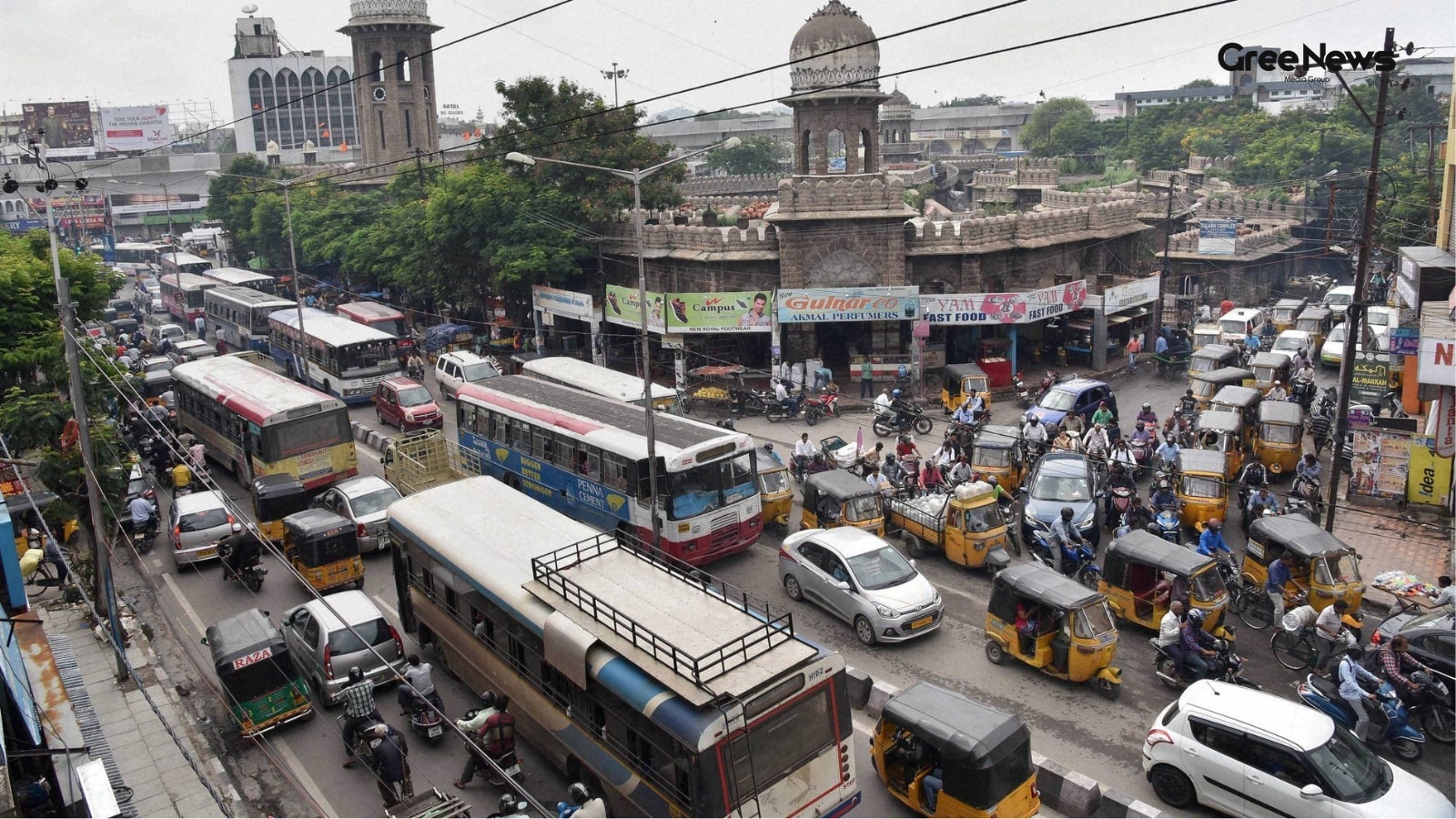
Telangana RTC Bus Strike News Today: The strike by the Telangana State Road Transport Corporation has turned daily life upside‑down across the state. While the buses are nowhere to be seen, a patchwork of alternatives has sprung up but honestly, it's a mixed bag. Some people are finding ways to get around, while others are stuck. If you’re wondering whether the whole bus system has stopped, the short answer is yes at least for the government‑run RTC services.
What’s Grounded: RTC Services Come To A Halt
The biggest blow has been to the Telangana State Road Transport Corporation (TGSRTC). From the crack of dawn, every category be it the humble Palle Velugu, the faster Express, the comfortable Deluxe, or even the premium Garuda stayed parked inside depots. It felt like the whole fleet decided to take a day off together.
In Hyderabad and the surrounding districts, the depots turned into makeshift holding yards. Workers and union leaders were out there, making sure no bus slipped out. So, for anyone asking if there’s a total bus strike in Telangana, the answer is a plain‑as‑day “yes”.
What’s Still Running: Patchy Alternatives, Limited Relief
Not everything has gone dark. A few lifelines are still ticking, but they’re nowhere near enough to cover the demand. The government tried to bring in hired buses with temporary drivers, yet many of those buses never even left the depot because the striking staff blocked them. It was like watching a tug‑of‑war between two sides, and the passengers caught in the middle.
Inter‑state buses and some private operators kept on moving, offering a sliver of connectivity. Still, the service is erratic you might find a bus on a major route, but miss it on a smaller one. If you’re asking whether the strike is in force in Hyderabad, the picture is the same: RTC buses are off the road, but you’ll spot bits of private and alternative transport trying to fill the gaps.
Who’s Benefitting: Private Operators Step In At A Cost
With the public network crippled, private players have swooped in like vultures but in a good way for them. Auto drivers, cab services, and private travel agencies are now seeing a massive surge in demand. The funny thing is, this isn’t just a small bump; fares have shot up sharply. Commuters tell me they’re paying almost double, sometimes even more, for short routes they used to take for a few hundred rupees.
In most cases, the strike has turned Hyderabad’s urban transport into a temporary seller’s market. Aggregators like Uber and Ola, as well as independent auto unions, are the biggest winners. What happened next is interesting many of them started putting extra vehicles on the road, but the price hike stayed.
Price Shock: Daily Travel Becomes A Burden
For the common man, the price hike is more than a nuisance; it’s starting to look unsustainable. Routes that used to cost between Rs 150‑200 are now being quoted at Rs 400 or even higher. Office‑goers, college students, and daily‑wage workers are feeling the pinch. Some have even started skipping work because the cost of getting there eats up most of their earnings.
It’s a harsh reality many daily‑wage laborers are forced to make a tough choice between earning a livelihood and paying a sky‑high fare. The situation is turning into a real‑life example of “inflation on wheels”.
Hyderabad Metro: Overcrowded And Straining
If there’s one system that’s carrying the weight of the bus strike, it’s the Hyderabad Metro. Footfall has surged dramatically stations like Ameerpet, LB Nagar and JNTU are packed to the brim. Queues at ticket counters stretch for metres, and inside the coaches, there’s barely room to stand, let alone move.
Even with the Metro running extra trips, the system is struggling to keep up. Many commuters say it feels like a “standing‑room‑only” experience, and the lack of air‑conditioning in some cars makes it even worse. For a lot of people, the Metro has become the only viable option, which is why it’s now stretched thin.
What caught people’s attention was how quickly the Metro turned into a lifeline but also how quickly it became a bottleneck. It’s a classic case of supply not matching sudden demand.
The Uneven Impact Across the State
The strike isn’t affecting everyone in the same way. In the city, commuters are battling crowds, high fares, and cramped metros. In contrast, people living in rural areas face a different nightmare limited private options, almost no Metro service, and sometimes no inter‑state buses at all. For them, the strike feels like a kind of isolation, cutting off access to work, schools and even healthcare.
Another side effect that many didn’t expect is the traffic jam on Hyderabad’s roads. With more people turning to personal vehicles, the streets are getting thicker, adding extra delays to an already tough commute. It’s like a domino effect one strike triggers a cascade of problems.
Many were surprised to see how quickly the city’s transport ecosystem adapted, yet also how fragile it is when the main public system goes down. The whole scenario perfectly illustrates the dependence on affordable public transport for millions of Indians.
What’s Next? Looking Ahead Amid the Chaos
While the strike continues, the big question on everyone’s mind is: when will the buses be back on the road? Until then, commuters will have to juggle between pricey autos, crowded metros, and the occasional inter‑state bus. Many are already planning alternative routes, car‑pooling with neighbours, or even biking where possible.
One thing is clear the strike has highlighted both the strengths and weaknesses of Telangana’s transport network. It’s also a reminder of how quickly “latest news India” can turn into a personal challenge for everyday people. As we wait for a resolution, the city’s resilience is being tested, and the stories that emerge will likely become part of the “viral news” narrative that spreads across social media.