What sparked the buzz?
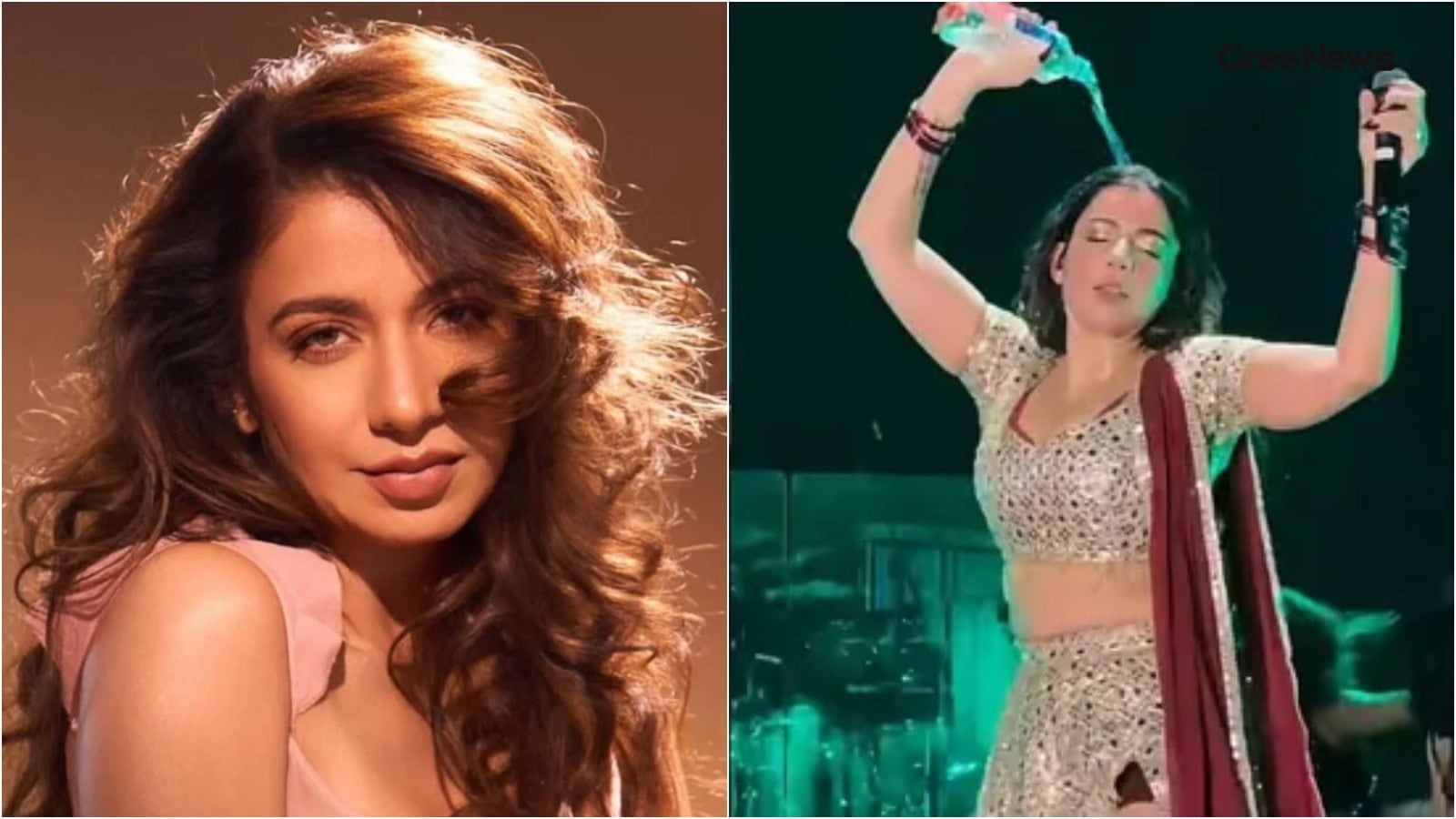
Alright, picture this: I was scrolling through the latest news India had to offer when a short video clip landed right in my feed. It showed Jasmine Sandlas, the powerhouse vocalist everyone’s been talking about after her songs in Dhurandhar and Dhurandhar: The Revenge, performing at a huge concert in Ahmedabad. The view‑finder caught a moment where she seemed to be lip‑syncing to her own track "Shararat" and, surprisingly, she started pouring water over herself while the beat kept thumping. That bit of theatrical flair turned into a full‑blown talking point online, and many people started calling it out as a break from the usual live‑singing expectations.
Who is Jasmine Sandlas?
Before diving into the concert drama, let’s take a quick look at the artist herself. Jasmine Sandlas is a Punjabi‑singer‑songwriter who made a name for herself with her distinct, gritty voice and soulful lyrics. Over the past few years, she’s been a regular name in the "trending news India" feeds because of her collaborations with big Bollywood houses. When Dhurandhar hit the screens, her track "Shararat" with Ayesha Khan and Krystle D’Souza became a chart‑buster overnight. The song was everywhere from club playlists to wedding sangeet functions. Even after the first film, Jasmine gave us another foot‑tapping number "Jaiye Sanjana" in Dhurandhar 2, which again rode the wave of "viral news" across social platforms. Basically, she’s not just a singer; she’s become a vibe that many youth across India identify with.
Going by the buzz, she’s often invited to perform live shows, and fans expect a raw, energetic performance something that matches the hype of her recorded tracks. That’s why the snippet from Ahmedabad stirred such a reaction; people felt the magic of her voice was somewhat diluted by the apparent lip‑sync and extra water splash.
The Ahmedabad Concert what actually happened?
The video that went viral captured a few crucial moments: first, the audience was clearly pumped, waving their phones and dancing. Then, as the opening notes of "Shararat" kicked in, Jasmine moved to the mic stand, but a quick glance showed her hand reaching for the mic and pulling it away repeatedly almost as if she was trying to make it look like the track was playing on its own. At the same time, the background music kept flowing, prompting many viewers to ask, "Is this really a live performance?" The moment that really caught people’s attention was when Jasmine, right in the middle of the choreography, lifted a bottle of water and started drenching herself. It looked like a spontaneous, fun gesture, but the timing made it feel like a cover‑up for the mic issue.
What’s interesting is that the crowd at the venue seemed to enjoy the spectacle they were cheering, clapping, and some even started dancing along with the water‑drenched performance. This contrast between the live audience’s reaction and the online critics’ disapproval added an extra layer of intrigue. Many pointed out that live shows often have technical glitches, yet they rarely become trending news unless the artist is as high‑profile as Jasmine.
Netizens weigh in the online backlash
When the clip hit the internet, the backlash was swift. Users on platforms like Twitter started trending hashtags like #JasmineLipSync and #ConcertWaterSplash. Many people shared screenshots highlighting the moments where she seemed to pull the mic away while the track continued. Some pointed out that the song "Shararat" had a heavy electronic beat, making it easier to mask a live vocal flaw with a pre‑recorded track. Others used the phrase "what a disappointment" a sentiment that echoed across numerous comment threads.
One comment read, "I love Jasmine’s voice, but this felt like a cheat. We pay for a live experience, not a playback." Another user, with a sprinkle of humor, wrote, "Maybe she was trying to cool herself down Delhi heat is real!" These lighter remarks tried to soften the criticism, but the overall vibe was that many felt let down. In most cases, the criticism wasn’t just about the lip‑sync; it extended to the water splash as well. Some argued that it was a gimmick to draw attention away from the technical mishap.
Even some media outlets picked up the story, labeling it as "viral news" and featuring it in their "latest news India" round‑ups. The coverage ranged from simple reporting of the incident to opinion pieces debating whether artists should be allowed to lip‑sync in live shows. In the Indian entertainment landscape, such debates often become "trending news India" pieces, drawing more eyeballs and keeping the story alive for days.
Why did the water splash become such a focal point?
Now, you might wonder why a splash of water caused such a stir. The answer lies in how Indian audiences perceive live performances. When you attend a concert, especially one featuring a popular singer like Jasmine, you expect a high‑energy, authentic experience. The act of pouring water on oneself can be seen as a theatrical flourish something you’d normally expect in a dance number, not a vocal performance. Moreover, the timing right after the mic pull‑away made many think it was a distraction technique.
There’s also the cultural context: In many Indian concerts, artists often use extravagant stage props, fireworks, or elaborate dance sequences to keep the audience engaged. However, those elements usually complement, rather than replace, the live singing. When Jasmine’s water splash seemed to replace a vocal cue, it broke that unspoken contract with the audience, and that’s why the backlash felt so intense.
Interestingly, some fans posted videos of the same concert from different angles showing that the crowd’s energy never waned. They argued that the water splash added a fun, spontaneous vibe, making the performance memorable. This viewpoint tapped into the larger conversation about how live shows evolve blending music, dance, and visual theatrics to keep up with today’s fast‑paced, Instagram‑focused culture.
Impact on Jasmine’s career will this affect her next projects?
Jasmine Sandlas is no stranger to the limelight, and she’s handled criticism before. After the whole "Shararat" clip went viral, many wondered if this episode would dent her momentum, especially with the upcoming promotions for "Dhurandhar 2" where her song "Jaiye Sanjana" is already climbing the charts. In most cases, artists bounce back from such controversies, using the attention to amplify their next releases. Think of it as a double‑edged sword: the incident generated massive online chatter a form of "breaking news" but also raised questions about her live performance reliability.
Industry insiders hinted that concert organizers might now be stricter about ensuring live vocals, possibly requiring backup singers or whisper‑tracking to avoid similar accusations. For Jasmine, this could mean a shift in how she approaches stage shows perhaps focusing more on live singing or clearly labeling parts that are pre‑recorded.
On the fan front, many remain loyal, cheering her on and waiting for the next drop. In the Indian music scene, where fandom can be fiercely protective, a single misstep rarely ends a career. Instead, it often becomes a footnote in the artist’s journey, especially if they continue delivering hit songs that dominate the "viral news" circuit.
What does this say about live performances in India today?
Beyond Jasmine’s personal saga, the whole episode shines a light on a broader trend in the Indian entertainment industry. With the surge of streaming platforms, audiences now consume music not just through live shows but also via short videos, reels, and TikTok‑style clips. This shift has raised expectations for polished, high‑energy performances that look perfect on a phone screen. Consequently, some artists lean on backing tracks or visual effects to meet those standards.
However, as the Ahmedabad incident shows, there’s a fine line between enhancing a show and compromising authenticity. The collective reaction from netizens reminds us that Indian fans still value the raw, unfiltered energy of a live voice. While they enjoy choreographed dance numbers and stage fireworks, they also expect the singer’s voice to be genuinely present. When that balance tips, the backlash can be swift, as seen in the wave of comments labeling the act as "nonsense".
Ultimately, this scenario becomes part of the larger "India updates" conversation about how live entertainment needs to adapt to digital age expectations while preserving the core essence that drew audiences to concerts in the first place.
Conclusion a lesson learned?
All in all, Jasmine Sandlas’s Ahmedabad concert turned into a case study of how a single moment can spark massive discourse in the digital era. From the lip‑sync suspicion to the unexpected water splash, the incident captured the imagination of netizens across the country, turning a regular concert into "viral news" that made it to the top of "trending news India" feeds. While the criticism was sharp, many also offered lighter takes and defended the artist’s creative choices.
For Jasmine, the episode may serve as a reminder to fine‑tune the balance between theatrical flair and vocal authenticity. For fans, it’s a glimpse into how quickly "breaking news" spreads in India, shaping opinions and influencing future performances. Whether you’re a die‑hard fan or a casual observer, the story underscores the evolving landscape of live music in India, where every stage act can become the next "latest news India" headline.
What’s clear is that the conversation isn’t over yet more updates, more fan reactions, and perhaps even a response from Jasmine herself will likely keep the buzz alive. So keep an eye out, because in the world of Indian entertainment, a single splash can make waves for weeks.