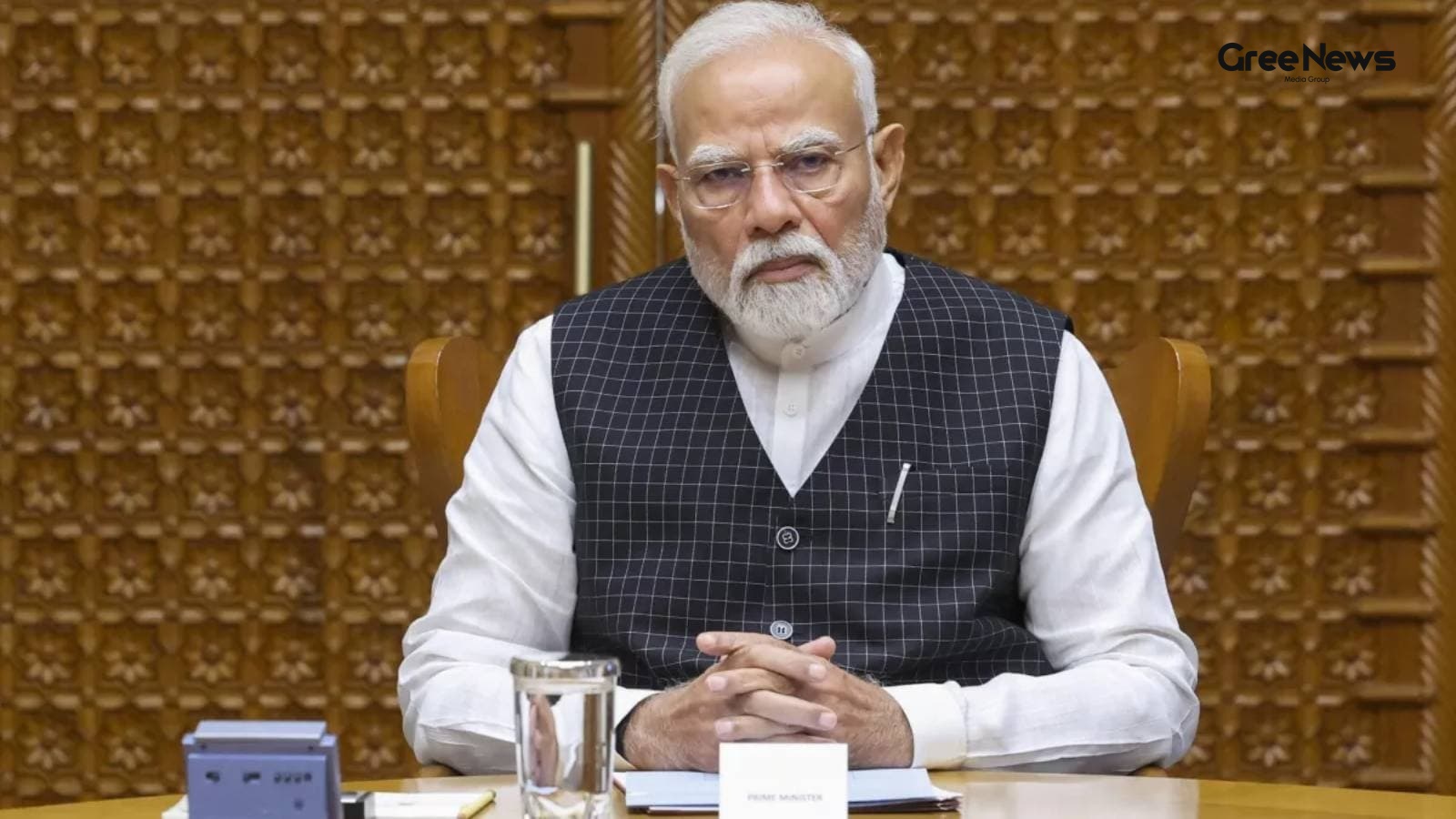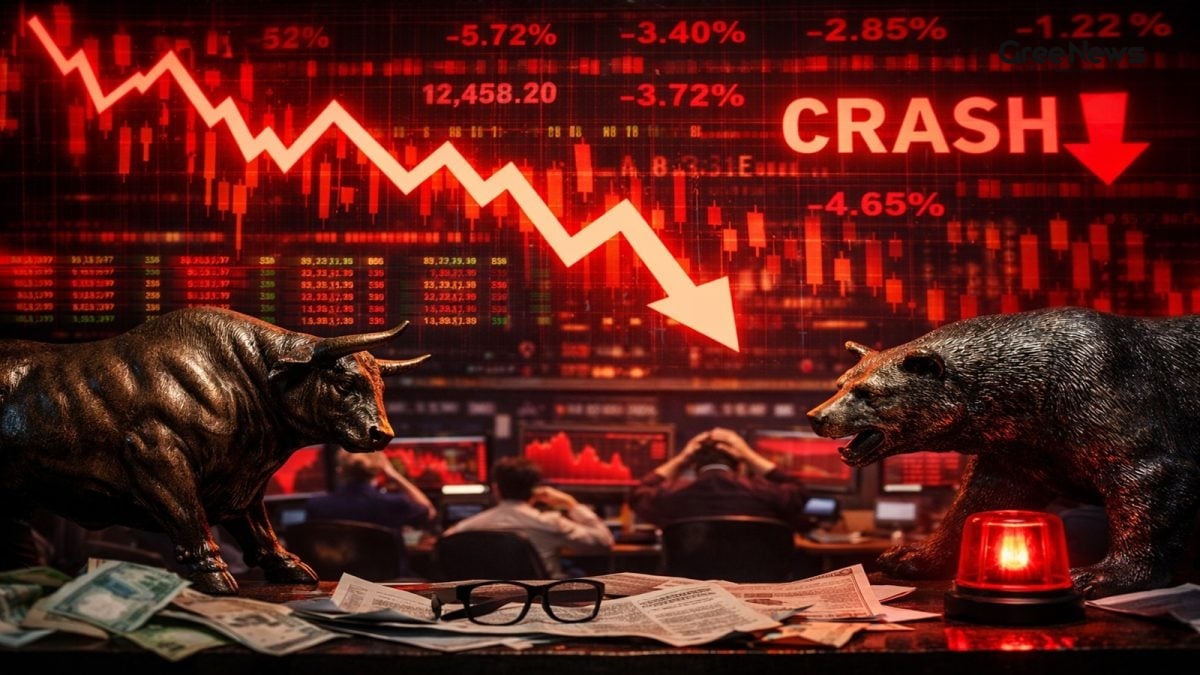
The BSE Sensex and Nifty 50 snapped their three‑session winning streak, witnessing sharp intraday losses.
Honestly, I was just scrolling through my phone on the way to work, the usual routine of checking the market app, when I saw the numbers start to tumble. It felt a bit like watching a cricket match turn on a sticky wicket you know something is about to go wrong, but you can’t quite put your finger on it. The Sensex tumbled over 800 points, more than a 1% dip, hitting an intraday low around 78,440. At the same time, the Nifty 50 slipped by more than 200 points, hovering near 24,350. Even though the big caps looked shaky, I noticed the Nifty Midcap 100 and Nifty Smallcap 100 actually nudging up a little, about 0.5% during the session. It was a mixed bag, and that made me wonder what exactly was pushing the market down?
Why are markets falling today?
Looking back, a few things stood out for me. First, there was a wave of profit‑booking, especially in the banking and IT space. Those sectors had raced up a couple of sessions ago, and suddenly traders seemed eager to lock in gains. Second, the lingering tension between the United States and Iran kept everyone on edge you could feel the anxiety in the newsrooms and on the trading floor. Third, global cues were not very friendly; the US dollar was strong, bond yields were rising, and that always adds a bit of pressure on emerging markets like India. Fourth, crude oil prices stayed stubbornly high, which always worries the average Indian consumer and pushes corporate margins down. Finally, the technical side of things played its part after a solid rally, markets often need a breather, and that seemed to be the case here.
1. Profit booking in banks and IT stocks
When I checked the Nifty Bank index, it had slipped more than 0.5% after gaining over 2% in the previous three sessions. It felt like those banks everything from State Bank of India to HDFC Bank were suddenly on a sale rack, shaking off the over‑optimism that had built up. The Nifty IT, on the other hand, dropped nearly 4%. Weak Q4 earnings reports and cautious remarks from management added to the gloom. I remember a senior colleague telling me that the IT sector has become a bit of a roller‑coaster lately one minute you’re riding high on export orders, the next you’re worrying about margin pressure from rising costs. It’s a classic case of investors taking money off the table after a good run.
2. US‑Iran tensions remain a concern
Even though the cease‑fire talks were extended, the overall picture stayed hazy. I kept seeing breaking news on my phone about the talks not moving forward as quickly as hoped, and that uncertainty seeped into the market. Reports also mentioned that the US Vice President JD Vance didn’t make a scheduled trip, which added to the sense that nothing was really getting resolved. For a trader like me, that meant one more reason to stay cautious the geopolitical backdrop was simply not friendly, and that can hurt risk‑on sentiment across the board.
3. Weak global cues
Across Asia, markets were choppy. Wall Street had dropped after Iran rejected fresh dialogue, and that ripple effect was felt in Indian indices. The stronger US dollar was another sore point every time the dollar climbs, our rupee feels the pinch, and that makes foreign investments a little less attractive. Rising bond yields in the US also meant higher borrowing costs globally, which can sap liquidity from emerging markets. I was watching the news and thinking, ‘if the global mood stays fragile, it’s going to be a tough road for Indian stocks.’
4. Elevated crude oil prices
Even though Brent Crude eased a tad, it stayed stubbornly above the $95‑a‑barrel mark. For the average Indian household, that translates to higher fuel prices at the pump and a bigger dent in the monthly budget. For corporates, especially those with significant logistics costs, it squeezes profit margins. Vinod Nair of Geojit Investments warned that if oil prices stay high, earnings could be downgraded by as much as 24%. That’s a huge figure, and it made many investors think twice before pulling money into energy‑heavy stocks.
5. Technical factors
From a chart‑watcher’s perspective, the market had been on a bit of a binge. The Sensex had added about 1,285 points that’s roughly a 1.6% gain over the last three sessions, and the Nifty 50 had risen about 380 points, also around 1.6%. After such a sprint, over‑bought conditions tend to set in, and a correction is almost inevitable. Shrikant Chouhan of Kotak Securities pointed out that while the short‑term trend remains positive, the market could see intermittent pull‑backs. He highlighted the 24,500 level as a key support for the Nifty, with possible downside targets near 24,350 and 24,300 should that support crack.
Overall outlook what’s next?
Putting all these pieces together, my gut feeling is that the market will keep wobbling in the near term. The broader trend is still constructive remember those mid‑cap and small‑cap indices that managed to stay afloat? That shows there’s still buying interest underneath the headline numbers. But the combination of profit‑booking, geopolitical worries, global cue weakness, and stubborn oil prices means volatility is likely to stick around. If you’re a retail investor, it might be wise to stay patient, maybe look for quality stocks at better valuations, and keep an eye on those technical support levels. And for anyone following the latest news India, breaking news, and trending news India, this dip could turn into a talking point that goes viral, especially if the market finds a clear direction in the next few days.
What happened next was interesting after the initial panic, a few seasoned traders started buying the dip, especially in sectors that weren’t directly hit by the oil price surge. That caught people’s attention and sparked a flurry of discussions on social media. Many were surprised by how quickly the sentiment shifted from fear to cautious optimism, showing just how fast market psychology can change. For me, this whole episode was a reminder that the Indian market, like any other, is a blend of numbers, news, and human emotions. Staying updated with India updates and keeping a balanced view can help you navigate these choppy waters.