Why This Post Became Trending News India Overnight
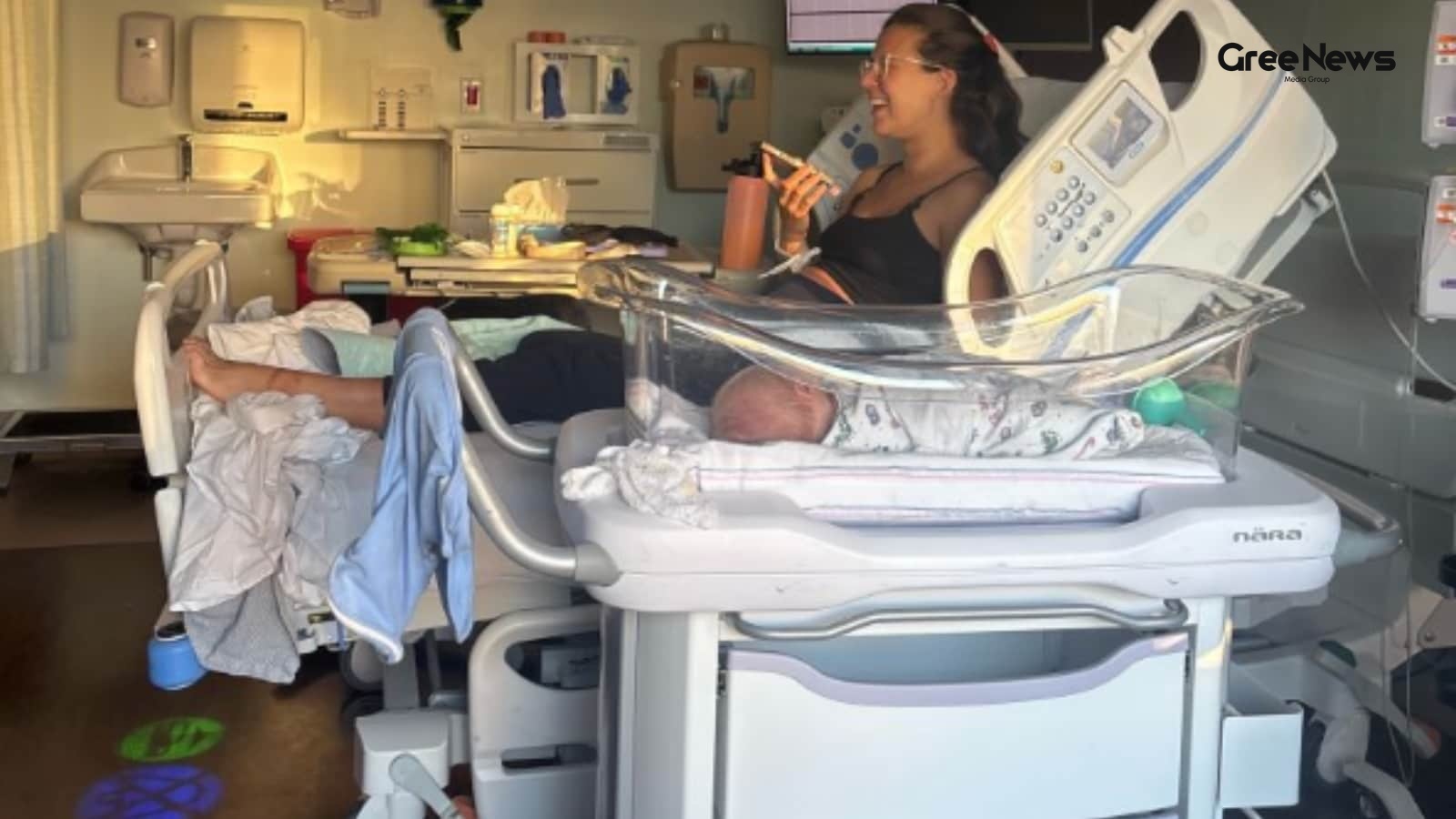
When I first saw the photo of Sarah Voutyras Rachmel sitting on a hospital cot, phone in hand, with a newborn swaddled beside her, I thought it was just another proud parent sharing a milestone. But then Eric Rachmel added a caption that turned the whole thing into breaking news. He wrote that Sarah Voutyras Rachmel took a client call a few hours after giving birth and later won the deal. Within minutes the post started popping up in my LinkedIn feed, my WhatsApp groups, and even on local news portals. It felt like the kind of story that would get people talking at chai stalls across Delhi and Mumbai a perfect blend of professional hustle and personal life that many of us grapple with every day.
What happened next is interesting: the image became viral news, shared by influencers, debated by HR experts, and even quoted in a few India updates on major business blogs. People were quick to label it either ‘insane’ or ‘inspirational’, and the conversation quickly spilled over into discussions about how far we should go for our jobs, especially when we’re fresh parents.
Eric Rachmel’s Original Post A Snapshot of Pride
Eric Rachmel, the founder of a boutique insurance consultancy, posted the photo on LinkedIn with a heartfelt note. He started by mentioning that the picture was taken a few hours after their son was born. He described how, while still recovering in the hospital, Sarah Voutyras Rachmel answered a client call about a motion she was working on. He added that a few weeks later she won the client’s business. Eric Rachmel also praised Sarah Voutyras Rachmel as one of the “sharpest insurance attorneys in the country” and highlighted the quiet strength of many women who juggle demanding careers and family responsibilities.
Reading that, I felt a mix of admiration and curiosity. On one hand, it’s great to see a partner cheering each other’s professional achievements. On the other hand, the image of a newborn, a mother, and a phone ring in a sterile hospital room raised a question that later became the centre of the debate is it realistic, or is it a dangerous benchmark?
Public Reaction From Praise to Concern
Within minutes, the post started generating a flood of comments. Some users applauded the dedication, saying that it was a testament to true passion for work. One comment read, “If you love what you do, why not give it your all, even after a baby is born.” Another user added, “A good client call feels like talking to a friend nothing to be ashamed of.” These voices reflected a segment of the workforce that sees work not just as a job but as a calling.
But the other side of the coin was louder than I expected. A sizeable number of commenters expressed discomfort, pointing out that expecting a new mother to take calls could set an unhealthy precedent. One user wrote, “No one should expect this from any employee, especially not right after childbirth.” Another remarked, “This is a red flag for work‑life balance it shows how blurred the lines have become.” The criticism resonated with many of my acquaintances who have struggled to draw boundaries between professional emails and late‑night family time.
What caught people’s attention was how the story seemed to embody the broader anxiety over modern workplace expectations. In the age of remote work, 24‑hour connectivity, and gig‑economy pressures, the line between ‘on‑call’ and ‘off‑call’ has become increasingly fuzzy a fact that keeps the conversation alive in trending news India.
Eric Rachmel’s Follow‑Up Clarifying Intent
As the debate heated up, Eric Rachmel posted a follow‑up to explain his perspective. He emphasized that his original post was not meant as a template for everyone but simply a celebration of Sarah Voutyras Rachmel’s personal enthusiasm for her work. He said, “There is no single way to balance life and work. Some people thrive on a packed schedule; others prefer a slower pace.” Eric Rachmel also acknowledged that excessive work can be stressful and could take a toll on health if not managed properly. He concluded by stating that the choice to work more or less is a deeply personal one and that respect for individual preferences should be at the core of any workplace culture.
Reading this, I felt a sense of relief. The clarification helped me see that the post wasn’t an attempt to glorify over‑work, but rather an honest albeit perhaps naïve expression of admiration. Still, the fact that the post sparked such a polarising dialogue tells us a lot about how India’s corporate world is wrestling with the idea of “always‑on” culture.
What This Story Means for Indian Work Culture
From a broader lens, the whole episode has become a case study for HR leaders and policy‑makers across the country. It asks us to reflect on several questions that keep popping up in boardrooms and break‑rooms alike:
- Is it acceptable to expect employees to be reachable immediately after major life events? In many Indian families, extended relatives step in to help new parents, but the expectation to stay glued to a phone can undermine that support system.
- How do we differentiate between genuine passion and pressure? The line can be thin, especially when social media amplifies stories of “hustle culture” as the new norm.
- What policies can companies introduce to protect new parents? Some firms are already rolling out “no‑call‑after‑hours” policies for the first few weeks post‑delivery, but the uptake is uneven.
These points have been discussed in several panels on the latest news India, and many HR consultants are now urging organisations to develop clear guidelines that respect personal boundaries while still acknowledging employees’ commitment.
For me, the story also highlighted how viral news can quickly become a catalyst for deeper societal introspection. It was not just a snapshot of one couple’s life; it turned into a mirror reflecting the aspirations and anxieties of a whole generation juggling ambition, family, and health.
Personal Takeaway Balancing the Scales
Honestly, when I first saw the picture, I thought it was a sign of a super‑mom who could manage everything. But after scrolling through the comments and hearing my friends’ viewpoints, I realised the story had layers. It made me think about my own work habits. Like many of us in India, I often check work emails late at night, believing that staying connected will help my career. Yet, the story of Sarah Voutyras Rachmel reminded me that there is a point where dedication can turn into self‑neglect.
What happened next is interesting: I started setting a rule for myself no work-related messages after 9 pm, especially on weekends. It’s a small step, but it’s something I can control. If a story from the corporate world can push even a few of us to re‑evaluate our boundaries, then perhaps the controversy was worth the attention.
In most cases, it’s about finding a balance that feels right for you and your family. Whether you are a fresh parent, a seasoned professional, or someone still figuring out what you want from work, the central message is clear no single formula works for everyone. Respect, empathy, and flexibility are the real keys to a healthy work environment.
Conclusion A Story That Keeps on Giving
To sum up, the LinkedIn post by Eric Rachmel featuring Sarah Voutyras Rachmel’s post‑birth call turned a simple family moment into one of the most discussed pieces of trending news India this week. It sparked a lively debate on dedication versus unhealthy expectations, forced leaders to confront their own policies, and even nudged some individuals, like me, to rethink personal work habits.
Perhaps the most important takeaway is that conversations like these are essential. They keep the dialogue on work‑life balance alive and help us collectively shape a future where professional success doesn’t have to come at the cost of personal well‑being. As we continue to see more such stories becoming viral news across the country, the hope is that we will move towards a culture that truly values both ambition and health, not just in the boardroom but also at the bedside of a newborn.