Remembering the Pahalgam Tragedy
Honestly, it still feels like yesterday when news of the Pahalgam attack shook the whole country. The incident left a deep scar not just on the families of the victims but on every Indian who hears about it. When the story first broke, it became one of the biggest talking points in the latest news India, dominating television bulletins and social media feeds. The attack, which targeted civilians at a popular tourist spot, resulted in the loss of many innocent lives and left countless others injured. The pain and grief that followed were palpable you could see tear‑filled eyes in every corner of the nation, from Delhi’s bustling streets to the remote hamlets of Kashmir.
What happened next is interesting because it sparked an outpouring of solidarity that we rarely see. People of all religions, languages, and regions came together to support the bereaved families. Vigils were organised in front of local mosques, gurdwaras, temples, and even in corporate offices. The whole nation seemed to pause, as though time itself had slowed down, to remember those who were taken away far too soon.
The Immediate Response and National Mourning
Right after the attack, the central government declared a day of national mourning. Flags flew at half‑mast across the country, and schools and colleges observed moments of silence. I remember my own school’s principal reading out the names of the victims, and the entire auditorium fell silent you could almost feel the collective heartbeat of the nation. Security forces launched a massive rescue and relief operation, and within hours, medical teams from various states arrived at the scene, providing critical care to the injured. The speed of this response was highlighted in many breaking news segments and was praised as a testament to India’s ability to act swiftly in times of crisis.
In most cases, the families received immediate financial assistance, but the emotional support was just as crucial. Volunteers from NGOs and local communities set up help desks, offered counselling, and made sure that the affected families had food and shelter. The empathy shown during those first few days set the tone for what would become a year‑long journey of healing and remembrance.
PM Narendra Modi’s Opening Remarks
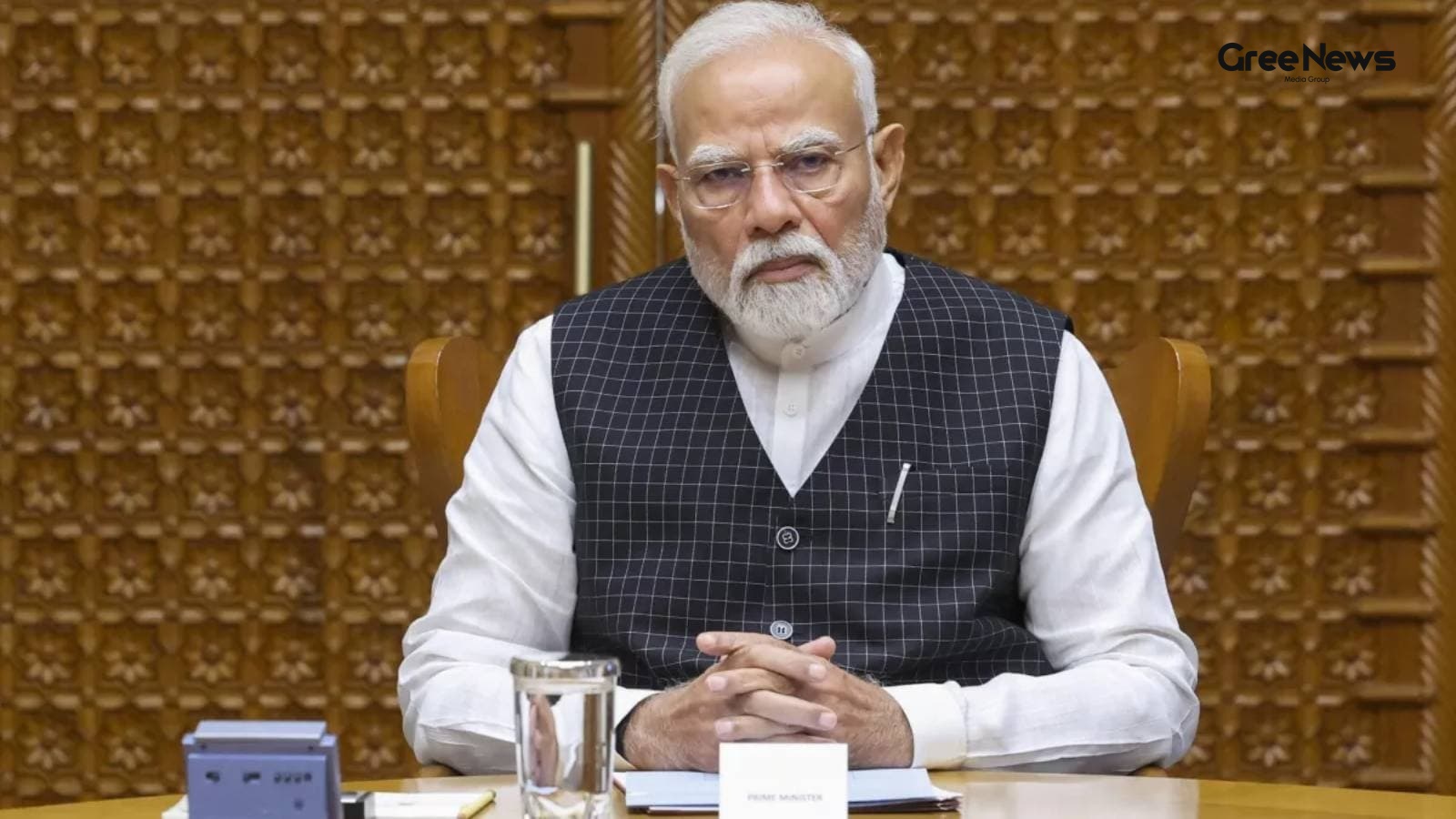
When Prime Minister Narendra Modi took to the podium on the first anniversary, the entire country was glued to their televisions. It was a moment that felt both solemn and hopeful. He began by saying, "We gather today not just to mourn, but to honour the spirit of resilience that defines every Indian." The way he spoke with that familiar blend of empathy and determination instantly resonated with people from Delhi to Darjeeling. He reminded us that the courage of the victims will forever be etched in our collective memory.
He went on to acknowledge the sacrifices of the security personnel who risked their lives to protect civilians. "Your bravery is the shield that guards our freedom," he declared, a line that sparked applause across the nation. That particular quote quickly turned into viral news, being shared on every social media platform, and trended under #PahalgamAnniversary within minutes.
Key Quotations from the Prime Minister’s Address
During his speech, PM Modi delivered several powerful statements that have since become etched in the public discourse. A few of the most quoted lines include:
- "We will not rest until every terrorist behind this atrocity is brought to justice."
- "Our unity is our strength; together, we will defeat the darkness of terror and ensure a brighter tomorrow for every child in India."
- "The dreams of the innocent lives lost will continue to inspire us to build a safer, more compassionate nation."
Actually, these quotes were not just words they became a rallying cry. The first one, especially, was echoed in parliamentary debates, local news panels, and even in street conversations as people discussed how best to support the ongoing investigations.
Security Enhancements and What Followed
Many people were surprised by this the speed at which the government rolled out new security measures. Within weeks of the anniversary, a series of enhanced surveillance systems were installed at key tourist spots, and additional security personnel were deployed. According to the Ministry of Home Affairs, these steps are part of a larger strategy to prevent any similar incidents in the future. The implementation of these measures has been covered extensively in trending news India, with many feeling more reassured about traveling to previously affected regions.
Beyond physical security, the government also launched a digital awareness campaign aimed at educating citizens about reporting suspicious activity. This move not only boosted public participation but also helped create a more vigilant society a point highlighted repeatedly in the latest news India.
Unity Across States and Communities
One of the most uplifting aspects of the Prime Minister’s message was his emphasis on national unity. He said, "From the snow‑capped hills of the Himalayas to the sun‑kissed beaches of the South, every Indian stands together against terror." This line struck a chord, especially in states that rarely get national limelight. In Maharashtra, street vendors organized a small tribute; in Tamil Nadu, students performed a skit depicting the bravery of the victims. Even in remote villages of Uttarakhand, people lit diyas at night to symbolize hope.
In most cases, the shared sentiment was that terrorism tries to divide but ends up strengthening our bonds. You could see the same feeling reflected in family WhatsApp groups, on Instagram reels, and even in the chatter at local tea stalls. This wave of solidarity made the message go beyond a speech it became a lived experience for many Indians.
Public Reaction and Ongoing Resolve
Social media lit up with heartfelt messages, and the hashtag #PahalgamUnity started trending within minutes. The wave of responses ranged from personal anecdotes to calls for stricter laws. Many senior citizens shared stories of their own brushes with violence, comparing them to the Pahalgam incident, and emphasising that the nation has always bounced back stronger.
It was also interesting to see how the younger generation used TikTok and Reels to spread awareness. A 17‑year‑old from Hyderabad made a short video summarising the Prime Minister’s key points, and it quickly turned into viral news, being shared by influencers across the country. This kind of grassroots dissemination helped keep the conversation alive, ensuring that the message reached every corner of India.
International Reactions and India’s Stance
Many foreign leaders also issued statements of solidarity, which the Prime Minister briefly mentioned. He appreciated the support but reminded the world that India will always safeguard its sovereignty. This balanced tone grateful yet firm was praised in diplomatic circles and added another layer to the narrative that was already making waves in trending news India.
What caught people’s attention was the Prime Minister’s insistence on justice over retaliation. He said, "Our response will be measured, precise, and in line with international law." This line sparked a healthy debate among policy analysts and everyday citizens alike, many of whom felt it reflected India’s mature approach to combating terrorism.
Impact on Policy and Future Outlook
Since the anniversary, several policy drafts have been introduced in Parliament, aiming to strengthen anti‑terror legislation and improve victim compensation. While these proposals are still under discussion, the Prime Minister’s speech has undeniably set the tone for a more robust legal framework. Analysts believe that the momentum created by this address will help push these reforms through faster.
Additionally, the government has pledged to set up a memorial for the victims, a project that is already gathering support from multiple stakeholders. The proposed memorial will serve not only as a place of remembrance but also as an educational centre, teaching future generations about the perils of hatred and the power of unity.
Why This Matters for Every Indian
At its core, the Prime Minister’s message is a reminder that the fight against terror is not just the job of the armed forces it’s a collective responsibility. From the shopkeeper in Varanasi who keeps a watchful eye on his customers to the software engineer in Bengaluru who participates in community safety apps, each of us has a part to play.
In most cases, the sentiment that resonates the most is that of hope hope that the sacrifices made will never be in vain, and hope that India will emerge stronger after each challenge. As we move forward, keeping this hope alive will be crucial for maintaining the spirit of resilience that has defined our country for centuries.