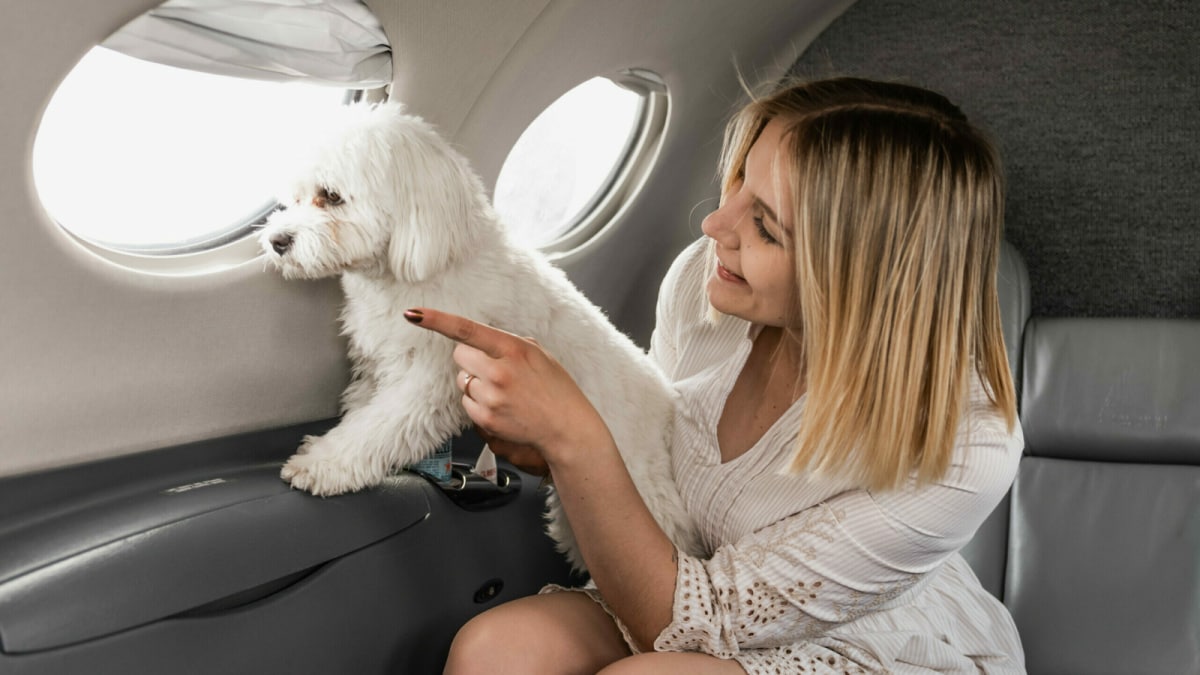
Why I started looking at travel through a pet‑first lens
Honestly, I never thought I’d be the type of person who plans a holiday around a dog’s carrier. But after my Labrador, Rocky, turned three, I began to notice how many little things in daily life got harder when I had to think about him. A quick trip to the doctor became a hassle because most cabs didn’t let pets inside, and I even missed a family function because the nearest railway station refused to carry my furry friend. You know how it feels when you’re stuck choosing between your own convenience and your pet’s comfort – it’s a tug‑of‑war that many of us in metros face.
When I read that Air India and Uber were rolling out pet‑friendly options, I felt a bit of relief. It seemed like these big players finally understood that for many of us, a pet isn’t just a side‑kick; they are part of the family, right alongside kids and elders. This article is my attempt to share what I’ve learned, what the services really offer, and how they fit into our everyday Indian lives.
Air India’s new ‘Paws on Board’ – my first experience flying with Rocky
Air India has been around for ages, but their pet policy used to feel like a maze. There were different rules for domestic versus international flights, confusing weight limits, and paperwork that looked like a school exam. The airline says they now have a structured “Paws on Board” initiative – and honestly, it does feel more organised.
First, the basics: you can bring a pet up to ten kilograms (that includes the carrier) inside the cabin on any Economy Class seat, provided the flight is one of the eighty‑plus routes they operate. That covers most major city pairs – Delhi to Mumbai, Bengaluru to Kolkata, and even a few overseas hops. The policy also allows pets to be checked in as baggage, but the cabin option is what most of us prefer because Rocky gets to stay close.
What impressed me was the documentation process. Air India now offers a step‑by‑step guide on their website, and you can submit everything online – health certificates, vaccination records, even the carrier dimensions. They cut down the booking window from seventy‑two hours to just forty‑eight hours before departure. That’s a real game‑changer if you’re planning a last‑minute outing or need to take Rocky to a vet in another city.
On the day of my flight from Bengaluru to Delhi, I arrived at the airport and was Greeted by a dedicated 24‑hour helpline number. When I called a few minutes before check‑in, a friendly officer confirmed everything was set. At the counter, I was given priority check‑in and a separate lane for pet owners – no need to stand in the long queue with all the other passengers. The boarding process was smooth, too: passengers with pets in cabin were called first, allowing Rocky to step onto the plane before the cabin filled up.
During the flight, the crew checked on us a couple of times, making sure Rocky was comfortable and the carrier was secure. For a couple of hours, it felt like we were just another family travelling together. After landing, the baggage claim was no different from a regular flight, and we were out of the airport in no time.
Looking at the numbers, Air India says they carried over eight thousand pets in the financial year 2026. That might sound small compared to passenger volumes, but it shows a steady rise in demand. For pet owners like me, this is more than a statistic – it’s a sign that the airline is listening.
One tiny hiccup I faced was the carrier size restriction. The airline says the carrier must fit under the seat, which meant I had to downsize Rocky’s favorite plush blanket. It’s a small compromise, but it reminded me that while policies are improving, they are still not perfect.
Uber Pet – getting around town with a dog‑friendly ride
Now, flying is one thing, but most of our daily trips – to the vet, the groomer, or just a quick coffee run – happen on the ground. That’s where Uber’s “Pet” service steps in. Initially launched in Bengaluru, the service has now expanded to Delhi and Mumbai. If you’ve ever tried to get an auto‑rickshaw or a regular Uber for a dog, you know the struggle – drivers either refuse or ask you to leave the pet at home.
Uber Pet lets you select a pet‑friendly vehicle when you book a ride, either on‑demand or as a reservation. The app shows a small paw icon next to drivers who have opted in. I tried it first in Delhi during a weekend trip to a friend’s house in South Delhi. I booked a ride, selected ‘Pet’, and within minutes a driver named Rajesh arrived, saying he was a pet lover and had a carrier in his boot. The whole process felt natural, like ordering a regular ride, but with that extra assurance that my dog would be welcomed.
One of the things Uber highlights is the flexibility for various use cases – from a quick vet visit in a crowded neighbourhood to a longer journey to a holiday cottage in Goa. The service is not just for dogs; it also supports cats, which is rare in Indian ride‑hailing platforms.
The partnership with Heads Up for Tails (HUFT) adds another layer. Through this collaboration, Uber Pet users get ride discounts when they book trips to HUFT locations – essentially a chain of pet‑friendly stores and clinics. When I booked a ride to a HUFT‑partnered clinic for Rocky’s vaccination, I got a small discount on the fare, and the clinic offered a complimentary grooming voucher. It’s a tiny incentive, but it shows how the ecosystem is starting to interlink.
From a driver’s perspective, Uber says the service creates extra earning opportunities. Drivers who love animals can sign up, set a small surcharge if they wish, and enjoy a steady stream of pet owners looking for reliable rides. This two‑sided benefit seems to be working – I have seen more drivers with “Pet Friendly” stickers on their cars recently.
Putting it all together – the pet‑first travel mindset in Indian cities
When you think about it, the travel journey for a pet parent now has fewer breaking points. Earlier, the biggest pain was the gap between the airport and the pick‑up point – you could fly with your pet, but then you were stuck waiting for a regular auto that would refuse entry. With Uber Pet now operating in the same metros where Air India’s pet‑friendly flights operate, that gap is slowly closing.
In most cases, I find that planning a trip now starts with a quick check on the airline’s pet policy, followed by a search for a pet‑friendly ride on Uber. The whole process can be done from my phone, without a single phone call to the airline’s call centre – although I did call once for a clarification, just to be safe.
Even beyond the big cities, the trend is spreading. I have a cousin in Pune who recently flew to Hyderabad with his cat, using Air India’s policy. He mentioned that the airline staff at Pune airport were very helpful, guiding him on the carrier dimensions and even offering a water bowl for the cat during the flight. It’s these little gestures that make the experience feel less like a bureaucratic requirement and more like genuine care.
There are still challenges, of course. Not every driver is signed up for Uber Pet, and some smaller towns still lack pet‑friendly cabs. Also, the weight limit of ten kilograms means larger breeds – like a Labrador retriever over ten kg with carrier – may still need to travel as checked baggage, which can be stressful for both pet and owner. But the direction is clear: the market is responding to the demand.
From a broader perspective, this pet‑first shift is part of a larger lifestyle change in Indian metros. With more nuclear families, dual‑income households, and a rising middle class, pets are increasingly seen as companions rather than just animals. They attend birthday parties, sit on the couch during TV shows, and now, travel with us on planes and cabs. Service providers that recognise this emotional bond are likely to succeed.
What the future might hold for pet‑centric travel
If the current pace continues, I expect a few things to happen in the next few years. First, we might see more airlines – even low‑cost carriers – offering similar cabin‑pet options, perhaps with slightly different weight limits or price structures. Second, ride‑hailing apps could integrate pet services deeper into their platforms, maybe offering “Pet & Kids” rides that cater to families traveling together.
Third, there could be a rise of specialised pet travel agencies that bundle flights, rides, and even pet‑friendly hotels. Imagine booking a weekend getaway where the hotel has a designated pet‑zone, the flight includes priority boarding, and the Uber from the airport to the hotel is already set up – all in a single checkout flow. That would be the ultimate pet‑first experience.
Lastly, I think we’ll see more collaborations like the one between Uber and Heads Up for Tails – perhaps with pet food brands, grooming chains, or even veterinary tele‑consultations integrated into the travel app. The ecosystem is just beginning to connect the dots, and each new partnership makes life easier for people like me.
Until then, I’ll keep experimenting with the current options, sharing my little victories (like getting a priority boarding pass for Rocky) and the occasional hiccups (like the carrier size issue). If you’re a pet parent reading this, I hope my experiences help you navigate the new landscape with a bit more confidence and a lot less stress.