Inauguration ceremony and its immediate buzz
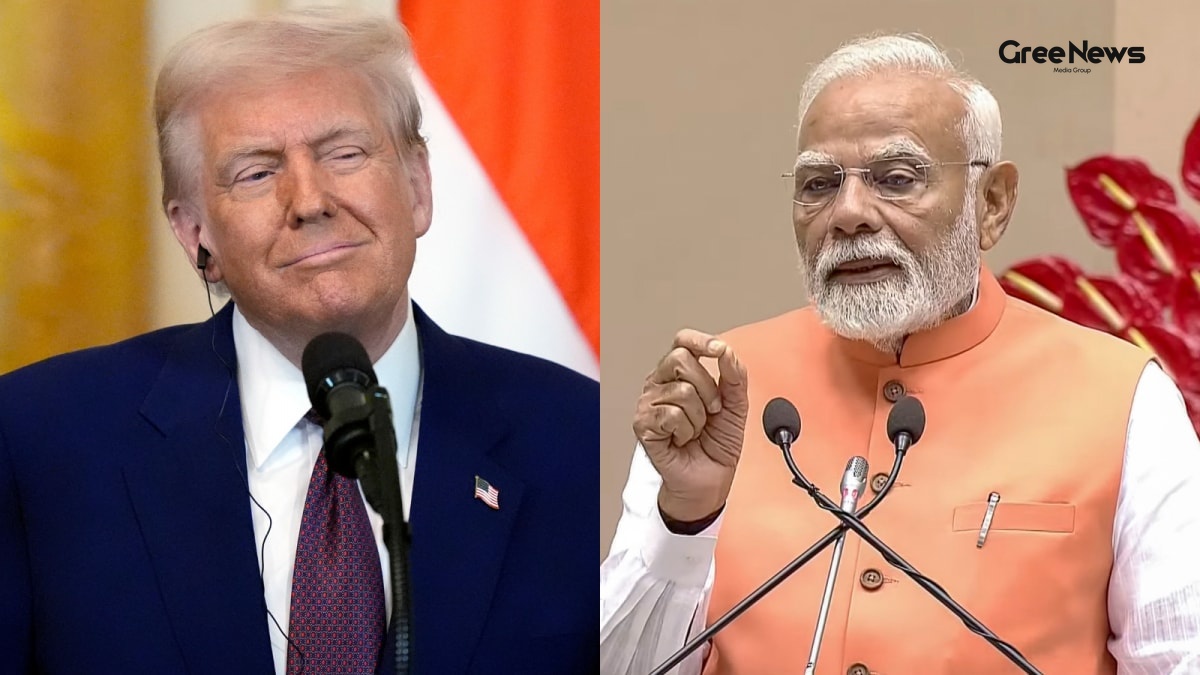
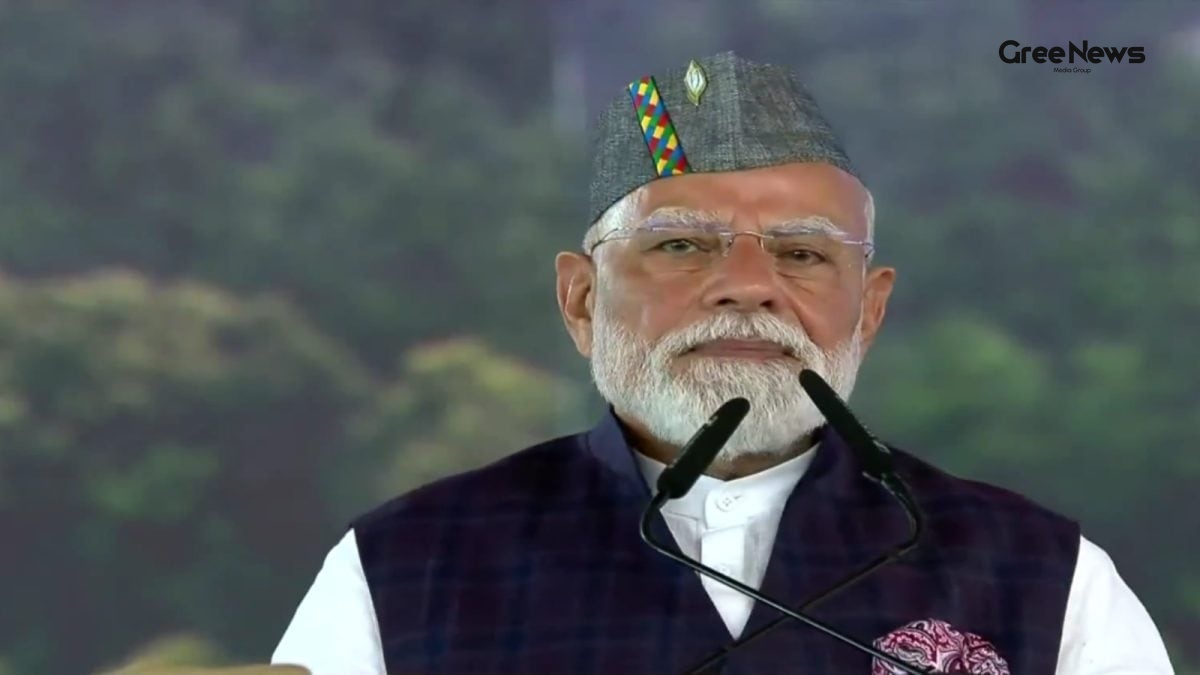
When I reached the inauguration venue, the atmosphere was electric, the kind of vibe you often see in breaking news coverage. PM Narendra Modi walked up to the podium, Greeted a crowd that ranged from local shop owners to senior bureaucrats, and officially opened the Delhi‑Dehradun Economic Corridor. You could feel the excitement because everyone knew this was not just another road it was a promise of faster connectivity and economic lift for Uttarakhand.
The event was streamed live, and even my neighbour in Delhi was talking about it on his WhatsApp group, calling it a "game‑changer" for travel between Delhi and the hill capital. That chatter is exactly what makes a story go viral people start sharing personal hopes and expectations. Many people were surprised by the sheer scale of the project, especially the wildlife bridge that runs for 12 kilometres.
How the Delhi‑Dehradun Economic Corridor will cut travel time
Before the corridor, a typical drive from Delhi to Dehradun took more than six hours, especially during peak holiday seasons when traffic snarls turned the route into a slow‑moving river of vehicles. Now, the Delhi‑Dehradun Economic Corridor promises a travel time of around two and a half hours. Imagine leaving early morning from Delhi, sipping chai on a smooth, wide road, and reaching Dehradun by noon that’s the new reality.
In most cases, commuters will see a reduction in fuel consumption, lower vehicle wear‑and‑tear, and less stress. For students travelling to universities in Dehradun, the shortened journey could mean more daylight for studies and less fatigue. Families planning weekend get‑aways will find it easier to fit a short trip into a busy schedule, which is why this news has been trending across the country.
What happened next is interesting: local transport operators started lining up for the chance to run buses on the Delhi‑Dehradun Economic Corridor, hoping to tap into the new demand. The ripple effect on regional tourism is already palpable hotels in Mussoorie and Rishikesh are reporting higher booking inquiries as travellers anticipate smoother access.
Wildlife elevated corridor protecting nature while we speed up
One of the most talked about features of the Delhi‑Dehradun Economic Corridor is the 12‑kilometre wildlife elevated corridor. This structure, which is among the longest in Asia, allows animals to cross over the highway safely, reducing the dreaded man‑animal conflict that has plagued the region for years.
For many locals, the sight of elephants, deer, and even smaller creatures moving freely over a raised passage feels like a relief. It shows that development can happen alongside conservation, a point that resonated with environmentalists who were present at the ceremony. The corridor also includes dedicated planting strips, which not only help with soil stability but also provide a Green belt that enhances the scenic beauty of the drive.
People often wonder how a modern road can be friendly to wildlife. The answer lies in thoughtful engineering the elevated section is high enough for most animals, and gentle slopes ensure that even the shyest creatures feel safe. This aspect of the project has spurred conversations on social media, making it a piece of viral news that showcases India’s ability to blend progress with preservation.
Double‑engine government and Uttarakhand’s growth drive
During the speech, PM Narendra Modi spoke about the "double‑engine" approach of his government, a phrase that’s now echoing in many policy circles. According to the Prime Minister, the first engine is infrastructure roads, highways, railways, and airways while the second engine is governance, ensuring that the benefits of these projects reach every corner of Uttarakhand.
In most cases, a state that improves its connectivity sees an influx of investments, better job prospects, and a rise in the standard of living. Uttarakhand, with its rich cultural heritage and tourism potential, stands to gain enormously from the Delhi‑Dehradun Economic Corridor. Local entrepreneurs are already planning new eateries, souvenir shops, and service centres along the route, hoping to serve the increasing flow of commuters.
This caught people’s attention because it signals a shift from mere construction to a holistic development model. The Prime Minister’s words about giving a fresh push to Uttarakhand’s growth are being echoed in boardrooms and tea stalls alike, making this a piece of trending news India is closely watching.
Constitutional highlights Article 370 and Uniform Civil Code
On the birth anniversary of Dr. B.R. Ambedkar, PM Narendra Modi took a moment to reflect on the nation’s constitutional journey. He reminded everyone that after the removal of Article 370, the Constitution now applies fully across the country, guaranteeing uniform implementation of its provisions.
According to PM Narendra Modi, this step has paved the way for a Uniform Civil Code, which he described as an expectation of the Constitution. The Prime Minister praised Uttarakhand for leading by example, saying the state’s progress reflects the spirit of the Constitution. This mention of Article 370 and Uniform Civil Code added a layer of political significance to the event, turning it into breaking news that resonated well beyond the transportation sector.
Many people were surprised by how a road inauguration could also serve as a platform to discuss big constitutional ideas. The Prime Minister’s emphasis on legal uniformity dovetails with the idea that better connectivity can help spread ideas faster, linking the physical and ideological journeys of the nation.
Infrastructure as the fate lines of India
When PM Narendra Modi talked about infrastructure being the "fate lines" of India, it felt like a mantra that summed up a decade of growth. Roads, highways, railways, and airways are the arteries that keep the country alive, moving people, goods, and ideas across states.
In most cases, the Delhi‑Dehradun Economic Corridor will act as a catalyst for trade, helping local farmers transport fresh produce to bigger markets faster, reducing post‑harvest losses. Small businesses that once struggled with logistics can now reach customers in Delhi within a day, a change that can transform livelihoods.
This idea of fate lines struck a chord with many who have witnessed how a new bridge or road can change a town’s destiny. The Prime Minister’s statement reinforced the belief that every kilometre of road is an investment in India’s future, a thought that many commentators are picking up in their analysis of the event.
Keeping Devbhoomi clean ahead of Kumbh Mela
Later in the ceremony, PM Narendra Modi turned his attention to the environment, especially the sanctity of Devbhoomi. He warned that piles of plastic bottles and garbage harm the spiritual vibe of the region, urging everyone to keep pilgrimage sites clean.
With the Kumbh Mela scheduled to be held in Haridwar next year, the Prime Minister stressed that no stone should be left unturned in making the confluence of faith divine, grand, and clean. This call to action resonated with volunteers who were already organizing clean‑up drives along riverbanks, showing how a government statement can translate into grassroots action.
Many people were surprised by the direct link between a road project and religious tourism, but it makes sense: a smooth, well‑maintained road can bring more pilgrims, and more pilgrims mean a greater need for cleanliness. The Prime Minister’s reminder has turned into a trending topic, encouraging citizens to replace plastic with reusable alternatives, a small step that aligns with the larger vision of sustainable development.