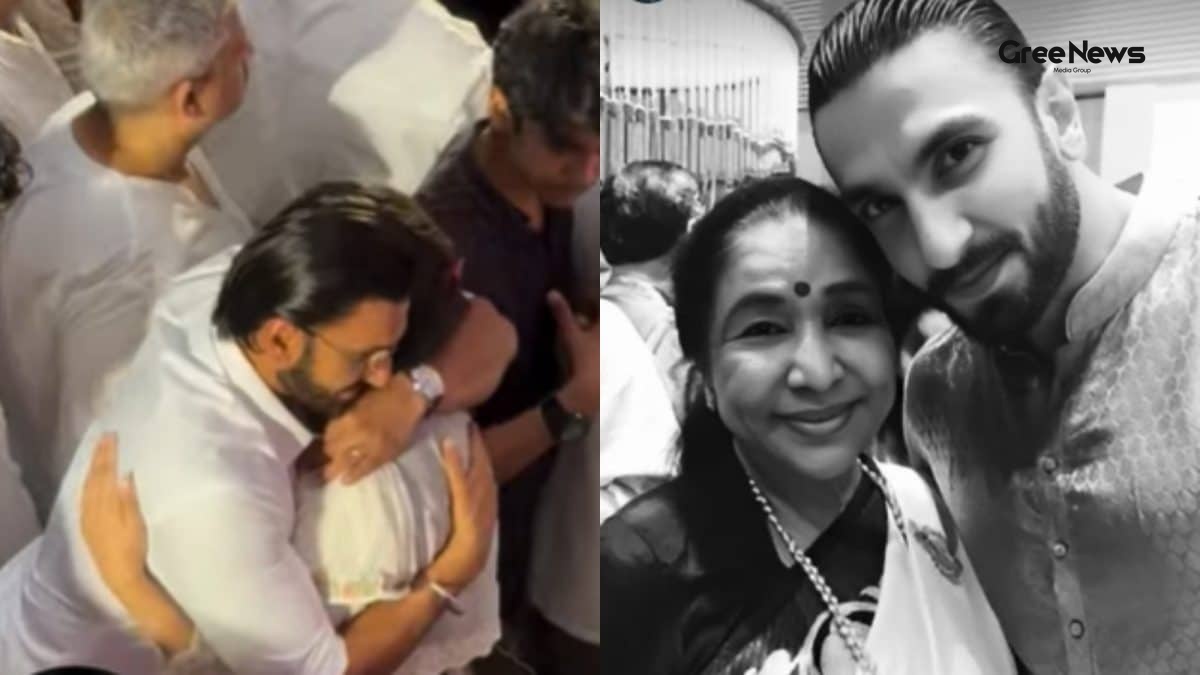
The Moment Ranveer Singh Comforted Zanai Bhosle
When I reached Shivaji Park crematorium, the whole place felt heavy with silence and whispered prayers. People were gathered in small groups, some holding candles, others just standing still, eyes glistening. I could sense the tension in the air – you could almost taste the collective grief. In the midst of that, Ranveer Singh appeared, looking a little worn but determined. As soon as he saw Zanai Bhosle, the granddaughter of the late singer, his expression softened.
What happened next was interesting – Ranveer walked straight to Zanai, pulled her into a tight hug, and held her for a long few seconds. Zanai was crying inconsolably, her shoulders shaking. Ranveer’s own eyes were watery. It was as if the whole crowd paused to watch that simple act of human compassion. I could hear a few sighs around us, and some onlookers whispered, “many people were surprised by this,” as if they hadn’t expected such an intimate moment at a state‑level funeral.
Honestly, it felt like a scene straight out of a film, but it was real – raw, unscripted, and deeply moving. The image of Ranveer hugging Zanai quickly turned into viral news, spreading across WhatsApp groups, Twitter threads, and Instagram stories. Within minutes, the video clip was being shared as part of the breaking news that day, and countless comments poured in, praising Ranveer for his empathy.
While I was there, I could see the subtle gestures – Ranveer’s hand on Zanai’s back, his gentle words that only she could hear, the way he leaned in as if trying to shield her from the overwhelming sorrow that surrounded them. It reminded me of how, in most cases, a simple hug can say more than a thousand words.
Asha Bhosle’s Life and Legacy – A Quick Walk Down Memory Lane
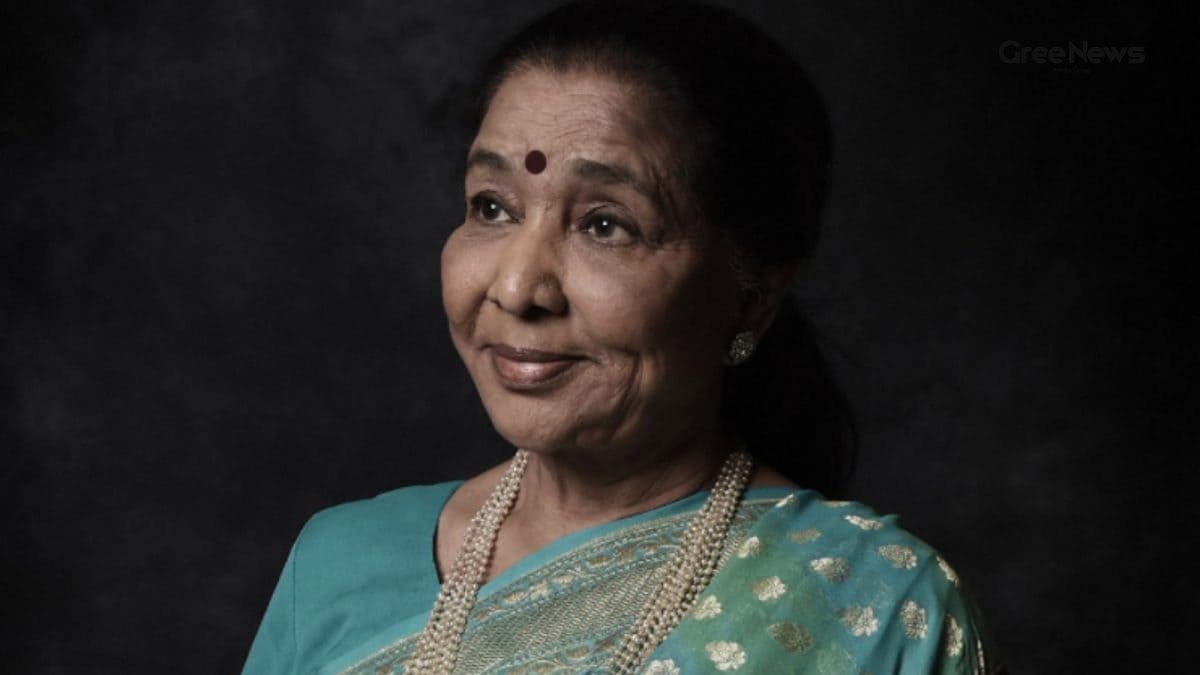
Before I delved deeper into the ceremony, let me share a bit about the legendary figure we were all here to honour. Asha Bhosle, at the age of 92, left us after battling multiple‑organ failure. She had been in a critical care unit at a hospital in Breach Candy for a few days before her passing. The fact that she lived such a long, vibrant life made her departure all the more jarring for the nation.
She wasn’t just a playback singer; she was a cultural icon whose voice shaped the soundtrack of India for more than seven decades. From the peppy beats of “Dum Maaro Dum” to the soulful strains of “Chura Liya Hai Tumne Jo Dil Ko,” each song felt like a personal diary entry for millions of us. I still remember listening to “Piya Tu Ab To Aaja” on my first cassette recorder – it felt like the whole neighbourhood would come alive, dancing to those electrifying notes.
What’s fascinating is that Asha didn’t limit herself to Hindi. She recorded in Marathi, Bengali, Tamil, Malayalam, even Russian and English. Her versatility made her a true pan‑Indian voice, a fact that keeps popping up in trending news India whenever someone looks back at classic Bollywood soundtracks. Over her career, she sang across genres – from classical ragas to cabaret numbers, from ghazals to pop anthems. That breadth of talent is what makes her loss feel so monumental.
Her contributions have been recognised with countless awards, and even after her passing, the industry continues to celebrate her legacy. The fact that her funeral was scheduled with full state honours shows how much respect she commanded across political and cultural circles alike.
Tributes From the Film and Music Fraternity
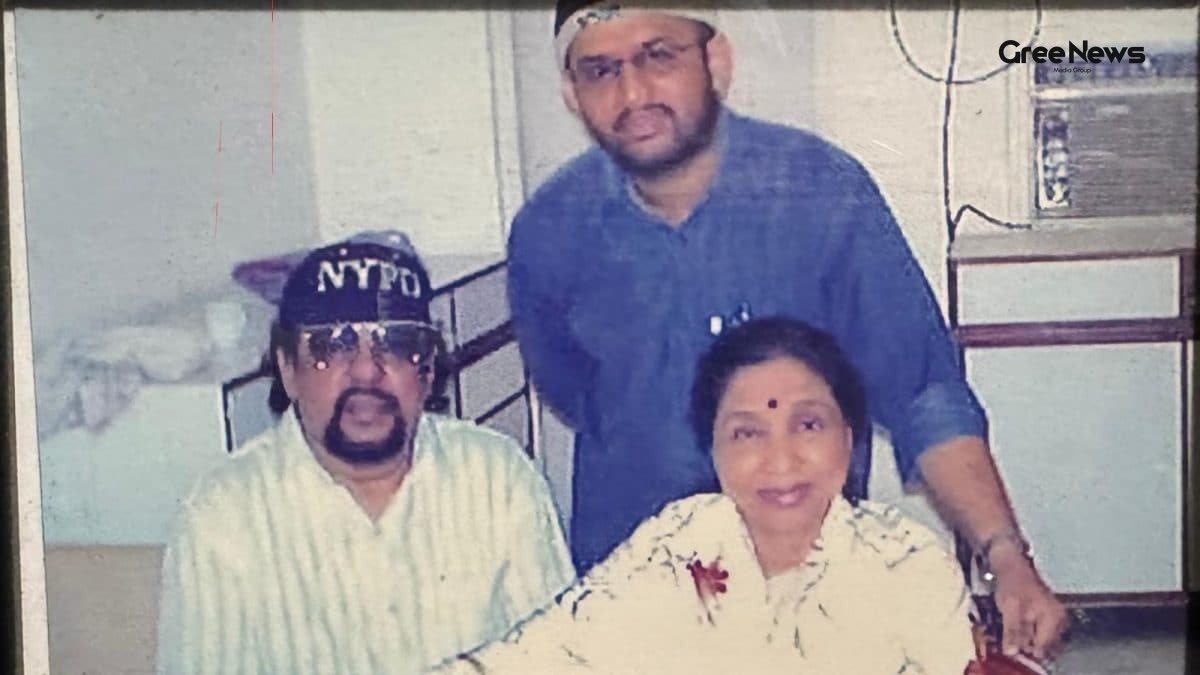
After the final rites began, the atmosphere turned into a living collage of tributes. Almost every major figure from Bollywood posted something on their social media accounts. I saw Ranveer’s Instagram story where he shared a throwback picture of himself with Asha Bhosle and wrote simply, “Irreplaceable, incomparable. #AshaBhosle.” That short caption said it all – the grief was real, and the respect was boundless.
Fans and fellow artists flooded the comment sections with words that were both nostalgic and loving. One comment caught my eye: “She sang the songs of our childhood; her voice is the soul of India updates we grew up with.” It perfectly summed up why her demise is the focus of so many breaking news headlines today.
Even beyond the film world, politicians and cultural bodies released statements. The state’s ceremony at Shivaji Park was attended by dignitaries, ensuring that Asha Bhosle’s farewell was not just a personal loss but a national one. As I stood there, I could see the high‑ranking officials placing flowers, a gesture that felt both ceremonial and heartfelt.
Later, I overheard a small group of senior musicians discussing her influence. One of them said, “Without Asha, the whole soundscape of Bollywood would have been different.” That remark resonated with me because I’ve always believed music is the heart of Indian cinema, and Asha was its pulse.
Personal Reflections – Why This Moment Stayed With Me
Honestly, the part that stuck with me the most wasn’t just the official proceedings, but that simple hug between Ranveer and Zanai. In a city where celebrities often seem untouchable, seeing a star step down from the pedestal and offer genuine comfort reminded me of the human side that often gets lost in the glare of media.
It also made me think about how we, as a society, respond to loss. We share memes, we tweet hashtags, we post glossy videos. Yet, moments like this keep popping up in trending news India and remind us that behind every viral clip is a real person feeling real emotions. The way people started commenting "what a sweet gesture" and "Ranveer, you are a true friend" showed how quickly compassion can become part of the conversation.
And there’s another angle – the younger generation, like Zanai, who grew up hearing Asha Bhosle’s songs on cassettes and later on streaming platforms, now faces the reality of losing a personal hero. I could see the confusion in Zanai’s eyes as she tried to process the loss, and Ranveer’s arms seemed to give her a temporary shield from that overwhelming wave.
I left the crematorium with a heavy heart but also with a sense of gratitude. Seeing the nation come together, hearing the stories of Asha’s early recordings, and feeling the shared grief among strangers felt like a reminder of how music binds us all. It’s a feeling that kept me scrolling through the latest news India feeds for hours, seeing how many people were reacting, sharing memories, and preserving her legacy.
In most cases, we forget how powerful a simple act of kindness can be, especially in a public setting. Ranveer’s hug turned a solemn ceremony into a small beacon of human connection. It might sound cliché, but that small moment sparked countless discussions across social media, turning it into one of the most talked‑about pieces of viral news of the day.
Conclusion – Keeping Asha’s Melody Alive
As the final rites concluded and the flames rose, I couldn’t help but think about the endless playlists that still carry Asha Bhosle’s voice. From the classic tracks that still play on radio stations across the country to the newer renditions that younger singers attempt, her music continues to evolve, just like the story of India itself.
Whether you are scrolling through trending news India on your phone, catching the latest viral clip on Instagram, or simply humming “Jhumka Gira Re” while cooking at home, Asha Bhosle’s influence is everywhere. Her story reminds us that legends may pass away, but their art lives on, echoing through the streets of Mumbai, the lanes of Delhi, and every corner of our diverse nation.
So, the next time you hear one of her timeless songs, pause for a moment and remember the woman behind that voice – the one who sang for seven decades, broke barriers, and left an indelible mark on the cultural fabric of India. And perhaps, if you ever find yourself at a funeral or any solemn gathering, remember the power of a simple hug – it can turn grief into a shared moment of comfort, much like the one I witnessed that day.