What sparked the controversy?
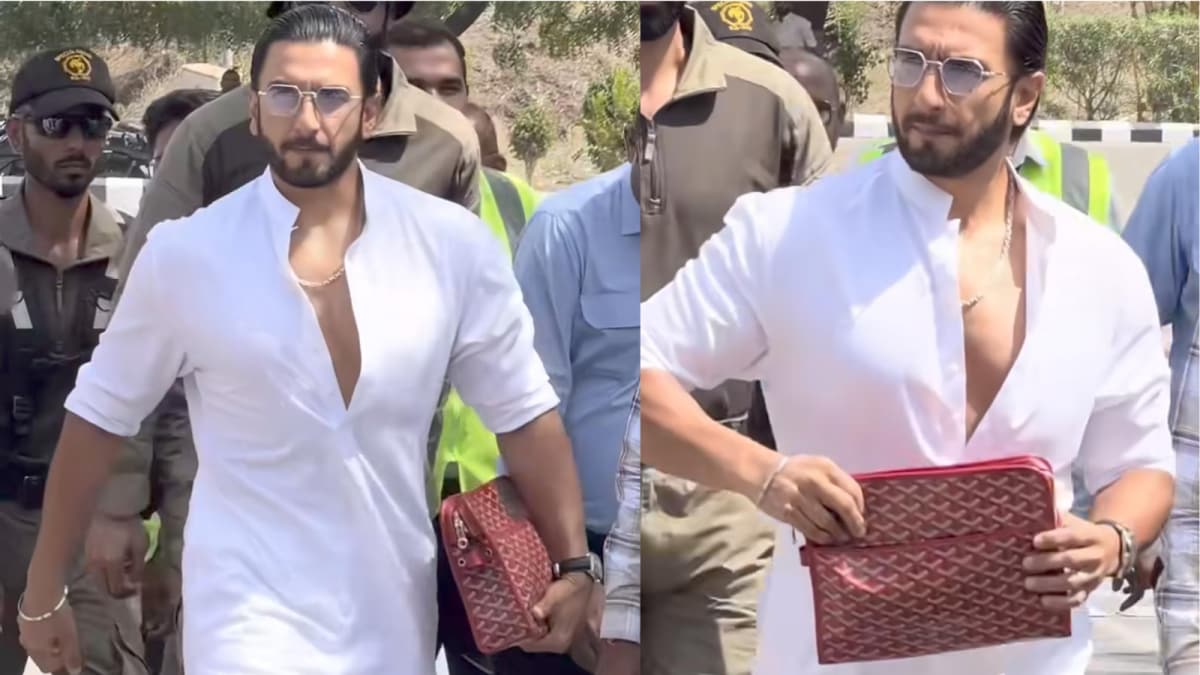
It all started when Ranveer Singh, one of Bollywood’s most lively performers, decided to do a quick mimicry of a scene from his recent film Kantara during a public gathering. To many fans, it looked like harmless fun, but a group of activists claimed that the mimicry included words that hurt the sentiments of a revered deity. The activists said the remarks were disrespectful, especially because the event was held near Chamundi Hills, a place known for its deep religious significance in Mysuru. After the complaints began to pour in, the matter quickly moved to the courts, where a formal complaint was lodged demanding a public apology and even a personal visit to Chamundi Hills for forgiveness.
When I first read about it, I thought of the many times I have seen celebrities inadvertently step on a sensitive line during live shows. In India, even a tiny slip can become a big news story, largely because we love our traditions and we are quick to protect them.
How the court asked for an apology
The court, trying to keep the peace, gave Ranveer Singh a chance to clear the air by filing an affidavit. The idea was simple: Ranveer Singh would write down a formal apology, acknowledge the hurt caused, and perhaps promise to visit Chamundi Hills. The complainant’s side, represented by advocate Prashanth, made it clear that a sincere apology was essential to settle the matter without dragging it to a full trial.
During the first hearing, advocate Prashanth told the judge that both parties had aGreed that Ranveer Singh would apologise in writing and would later request permission to travel to Chamundi Hills for a symbolic act of atonement. The judge, aware of how delicate religious sentiments can be, set a reasonable deadline for the affidavit to be submitted.
What Ranveer Singh’s affidavit actually said
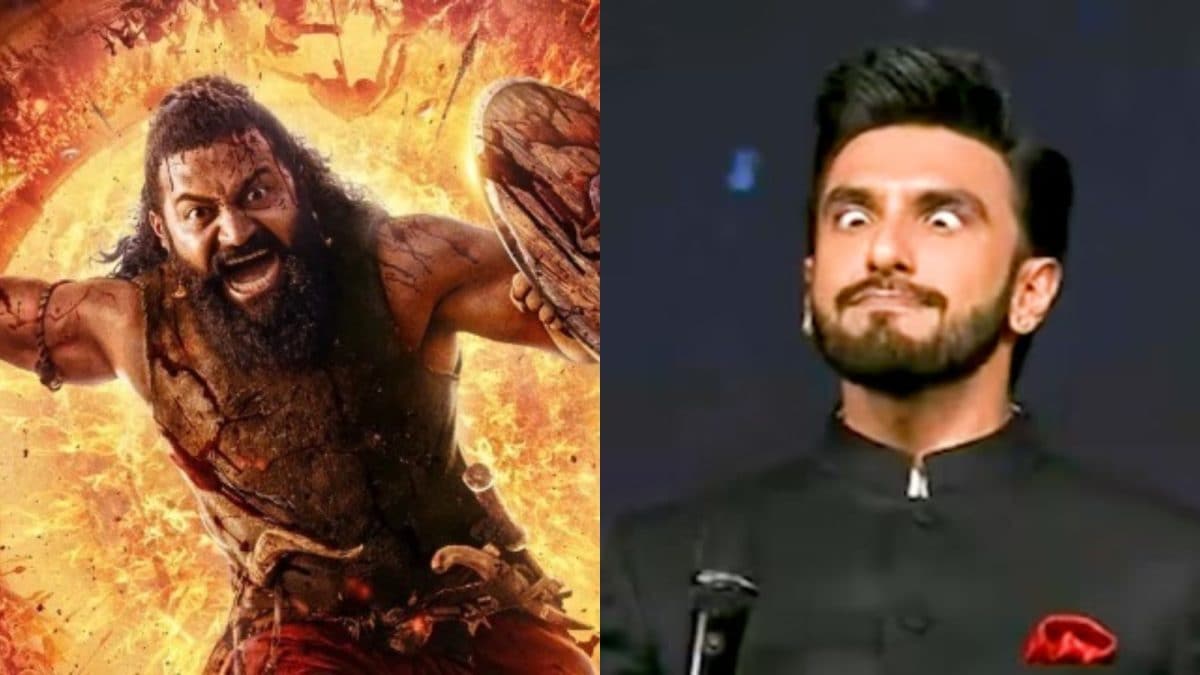
When the affidavit finally reached the courtroom, advocate Prashanth and his team read it out loud. Instead of the expected apology, the document read more like a defence. It talked about how Ranveer Singh had been praised for a previous performance, how the audience had clapped, and how it was normal for people to applaud in an indoor setting. The affidavit even questioned whether the crowd would have thrown stones at Ranveer Singh for a simple clap.
Advocate Prashanth pointed out that the affidavit seemed to justify Ranveer Singh’s actions rather than express any regret. In his words, “The affidavit mentions that when Ranveer Singh praised actor Rishab Shetty, people applauded. When someone speaks indoors, people usually clap—will they throw stones instead? This is not an apology. It reads as if Ranveer Singh believes what he did was right.”
Reading that, I could not help but think of the many times I have seen politicians dodge responsibility by adding long explanations. The tone felt more defensive than conciliatory, which is exactly what the complainant’s side wanted to avoid.
Advocate Prashanth’s reaction
After the reading, advocate Prashanth stood up and said that the court expected a clear expression of remorse. He argued that an affidavit that merely explains circumstances does not meet the legal requirement for an apology. “There should have been remorse in the affidavit. But there is nothing of that sort. This is not the correct affidavit, and we have sought time for Ranveer Singh to file a proper one,” advocate Prashanth said.
He also warned that if Ranveer Singh fails to submit a revised affidavit containing a genuine apology, the case could move to a trial phase. “If Ranveer Singh does not apologise properly, we will ask the court to begin trial proceedings. We will not withdraw this case,” advocate Prashanth added, his voice firm and resolute.
Listening to the lawyer’s words reminded me of the many courtroom dramas shown on Indian television, where the plaintiff’s counsel often emphasizes the moral weight of an apology, especially when religion is involved.
The court’s next steps
The judge, after hearing both sides, decided to give Ranveer Singh another chance. The hearing was adjourned, and a new deadline was set for Ranveer Singh to file a revised affidavit that contains a proper apology and possibly a statement about visiting Chamundi Hills.
Legal experts in the courtroom said that this adjournment is quite common in cases where the court feels that an apology could settle the dispute without a longer, costly trial. They noted that the court often prefers an amicable settlement, especially when public sentiment is at stake.
In most cases, a sincere apology can defuse tensions, and the parties can move on. However, the complainant’s side, represented by advocate Prashanth, made it clear that the court’s patience will not last forever if the revised affidavit does not meet the expectations.
Why the apology matters to the complainant
For the complainant, the alleged remarks touched a deep nerve. The deity mentioned in the mimicry is worshipped by thousands of devotees who gather at Chamundi Hills during festivals. In Indian culture, an apology is not just a legal formality; it is a way of showing respect to the community and acknowledging the hurt caused.
Advocate Prashanth explained that the complainant wants more than just a written statement. The group also demanded that Ranveer Singh travel to Chamundi Hills and seek forgiveness in person. This request is symbolic, reflecting the Indian tradition of “prayaschitta” – an act of atonement that often involves visiting a sacred place.
Thinking about it, I realize how many of us have seen public figures bow their heads at temples or mosques after a controversy. The physical act of going to the holy site is considered a powerful gesture, and it often helps to calm angry crowds.
Public reaction and social media buzz
Since the news broke, social media platforms have been buzzing. Some fans defended Ranveer Singh, saying that mimicry is a part of entertainment and that the intention was never to insult any deity. Others, especially members of religious groups, demanded a firm apology and insisted that any attempt to downplay the issue is unacceptable.
In everyday conversations, I have heard friends argue that celebrities should be more mindful of the cultural sensitivities they engage with, especially during live events. Someone even compared the situation to a cricket player being penalised for a celebratory gesture that offended a particular community. The underlying message is clear: public figures have to walk a fine line.
These discussions remind me of the larger debate in India about freedom of expression versus respect for religious sentiments. The balance is tricky, and every new case adds another layer to the conversation.
Legal perspective on the necessity of an apology
Legal scholars present in the courtroom pointed out that Indian law does recognise “apology” as a mitigating factor in many cases involving hurt to religious sentiments. While the law can punish offensive speech, a sincere apology can often lead to a reduced penalty or even dismissal of charges.
One expert, who prefers to stay unnamed, said, “When the offended party feels that the offender has taken responsibility, the likelihood of a protracted trial diminishes. The courts often encourage settlements that include public apologies because it serves public interest and reduces judicial backlog.”
The same expert added that the court’s decision to adjourn and allow a revised affidavit is a practical step. It gives Ranveer Singh a chance to correct the tone of his statement, which could save both parties from a long, messy legal battle.
Potential outcomes if Ranveer Singh does not apologise
If Ranveer Singh files a revised affidavit that includes a clear apology and perhaps a promise to visit Chamundi Hills, the case will likely close without further litigation. The complainant’s side may accept the apology as a satisfactory resolution, and the media coverage will shift from controversy to a story of reconciliation.
However, if Ranveer Singh submits another document that merely explains the situation without expressing remorse, advocate Prashanth warned that the court may order a trial. In that scenario, the trial could explore whether the remarks indeed constitute an offence under the law that protects religious sentiments.
What I think about the whole affair
Honestly, I feel that the whole situation is a mix of genuine concern and over‑reaction. On one hand, respecting religious feelings is important in a country as diverse as India. On the other hand, the entertainment industry thrives on spontaneity, and a line or two spoken in the heat of the moment can be taken out of context.
If you ask me, a heartfelt apology, followed by a humble visit to Chamundi Hills, would be enough to calm the waters. Ranveer Singh is known for his energetic performances, and a small gesture of respect could go a long way in restoring goodwill.
At the same time, I understand why advocate Prashanth is insistent. For the complainant, the issue is not just about a single comment but about the principle that no one should be allowed to appear casual about a deity that millions hold dear.
Conclusion – awaiting the next filing
The courtroom drama is now at a pause, with the judge expecting Ranveer Singh to submit a revised affidavit that meets the court’s expectations. Whether Ranveer Singh will add a direct apology, express remorse, or even commit to a visit to Chamundi Hills remains to be seen.
What is clear is that the case highlights the delicate balance between artistic freedom and religious respect in India. The next hearing will tell us if a simple apology can settle the dispute, or if the matter will move towards a full trial, setting a precedent for future cases involving public figures and religious sentiments.
Until then, we can only wait and watch, hoping that a resolution that satisfies both the complainant’s sense of dignity and Ranveer Singh’s creative spirit will emerge.