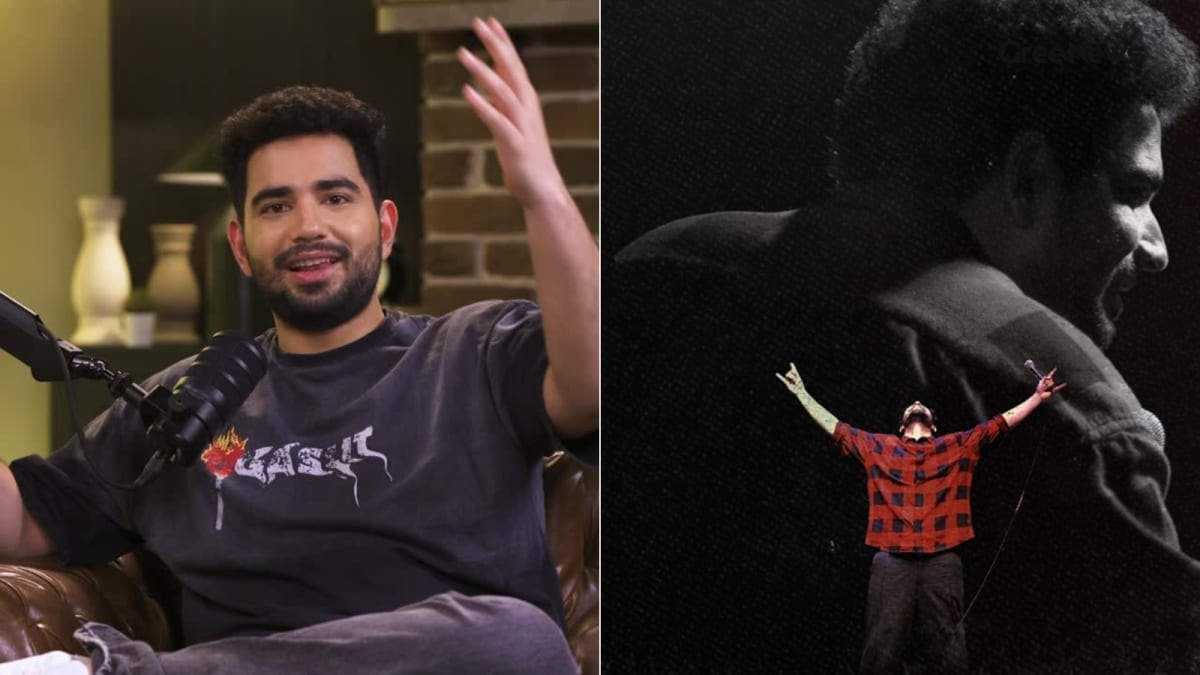
So, the other day I was scrolling through my X feed when I stumbled upon a post that was blowing up like a fresh pot of chai on a winter morning. It was a thread by Pratham Khanna that claimed Samay Raina the stand‑up comedian who turned his love for chess into a YouTube empire has a net worth somewhere between Rs 140 crore and Rs 210 crore. Honestly, I had to do a double‑take. The numbers seemed massive, especially for someone who started off doing open‑mic gigs and now does live comedy shows across the country.
What caught people's attention was the detailed breakdown. According to the post, Samay supposedly pulls in about Rs 40 crore every year. The sources? A mix of YouTube advertisements, channel subscriptions, brand collaborations, live performances, and a set of promotional deals that apparently keep his cash flow steady. The claim also mentioned a monthly income of Rs 1.3 crore from something called ‘India’s Got Latent.’ I hadn't heard of that venture before, so my curiosity spiked what exactly is it, and how does it fit into his overall earnings?
Now, before you think I’m just another fan hyped up by viral news, let me tell you I dug a little deeper. The post listed his assets in a way that felt more like a brag sheet than a financial report. Supposedly, Samay owns a range of premium cars a Toyota Vellfire, a Ford Mustang, a Mini Cooper, a Mercedes‑Benz, and even a humble‑looking Honda City for those everyday rides. He also allegedly has a Mumbai apartment worth roughly Rs 2 crore and an ancestral house in Jammu & Kashmir valued at about Rs 50 lakh.
All this got a lot of people on the internet buzzing. Some were quick to celebrate his alleged success, saying it’s a testament to how the creator economy in India is booming. Others were skeptical, pointing out that none of the numbers come with solid sources. One comment I saw summed it up nicely: “₹40 crore annually from YouTube comedy is absolutely insane 💀 IGL pulling ₹1.3 cr/month alone? bro, monetized cringe better than anyone. Respect the hustle but these numbers feel inflated without sources.”
It’s fascinating how a single post can turn into a piece of breaking news that spills over into trending news India. The whole episode highlights a few things that are worth noting for anyone watching the digital space especially if you’re trying to make sense of the ‘latest news India’ about creators turning clout into cash.
Understanding the Revenue Mix Behind the Numbers
Let’s break down what the post actually says about Samay’s income streams, because that’s where the story gets interesting. First up: YouTube ads. For a channel pulling in millions of views per video, ad revenue can indeed be a substantial chunk of the pie. In the Indian market, CPM rates (cost per thousand impressions) have been climbing, especially for niche content like comedy that attracts a younger, urban audience. If Samay’s average CPM sits around ₹150₹200, and he consistently hits high view counts, the Rs 40 crore figure isn’t completely out of the realm of possibility but only if the viewership is massive and sustained.
Next, subscriptions and memberships. YouTube’s channel membership feature lets creators earn a steady monthly income from dedicated fans. If even a small percentage of his subscriber base say 0.5 % of a 10 million‑strong audience opts for a ₹199/month membership, you’re looking at around Rs 1 crore a month just from that alone. Add in brand collaborations (where brands pay creators to showcase products) and live comedy shows (which can fetch hefty fees, especially in metro cities), and you start seeing a diversified revenue model that many top‑tier Indian creators now rely on.
The mysterious ‘India’s Got Latent’ claim is where the speculation intensifies. There isn’t a lot of public information about that venture, but based on the name, it could be a digital platform or a content series aimed at unearthing hidden talent. If Samay’s team has struck a licensing or distribution deal for that series, a Rs 1.3 crore monthly payout could be feasible. Still, without concrete data, it remains a point of curiosity that fuels the viral nature of the story.
Asset Claims: Cars, Property, and Lifestyle
Moving on to the asset side of things the list reads like something out of a Bollywood star’s wishlist. A Toyota Vellfire which is basically a luxury MPV a classic Ford Mustang that’s a favourite among car enthusiasts, a Mini Cooper that’s perfect for city drives, a sleek Mercedes‑Benz, and a practical Honda City for daily commutes. The variety suggests not just a love for cars but a strategic approach to maintaining a diversified portfolio. In many cases, high‑end cars can even serve as business assets, especially if they’re used for brand collaborations or promotional events.
Then there’s the real‑estate angle. According to the post, Samay owns a Mumbai apartment valued at around Rs 2 crore. In the current market, a two‑bedroom flat in a decent locality can easily fetch that price. The ancestral home in Jammu & Kashmir, worth roughly Rs 50 lakh, adds a sentimental touch and perhaps a touch of diversification outside the financial capital.
These asset claims naturally lead many users to ask the obvious question: “Tax bharta hai ye?” In India, any income above the basic exemption limit is taxable, and the tax slabs have become increasingly progressive. If Samay is indeed earning anywhere near the numbers suggested, his tax liability would be significant, unless he has structured his earnings through legitimate tax‑saving instruments. That aspect has become a hot talking point because, in the creator world, many still keep a low profile about their financials.
Public Reaction From Praise to Skepticism
When the thread started gaining traction, the comment section turned into a micro‑forum of opinions. Some users were outright amazed. One wrote, “From stand‑up stages to building a full empire… that’s some serious growth 🔥👏.” Others were more grounded, noting the possibility of inflation in the figures: “40 cr/year is exaggerated still he might be earning good due to huge number of unemployed youth.” The tone varied, but a common thread was the recognition that Samay represents a new breed of Indian entertainer someone who doesn't rely solely on traditional TV or film contracts.
There were also the skeptics. “He earned enough in his life,” a user quipped, hinting that even if the numbers are off, Samay has certainly outperformed many typical stand‑up comedians in India. Another user asked bluntly, “Tax bharta hai ye?” a phrase that quickly became a meme in its own right, reflecting the public’s curiosity about how these creators manage their taxes and whether they take advantage of loopholes.
Overall, the conversation illustrates how viral news in India can rapidly shape public perception. The story became part of the latest news India feeds, appearing on multiple platforms as a piece of trending news India. It shows that in the age of social media, a single post can become a catalyst for a nationwide discussion about income, wealth, and the evolving nature of work.
What This Means for the Indian Creator Economy
If you ask me, the real takeaway from this whole episode isn’t just the exact numbers it’s the fact that creators like Samay Raina are now part of a larger conversation about financial transparency and the scale of digital earnings in India. A few years back, making a few lakhs from YouTube was considered a lucky break. Today, the conversation has jumped to crores, and that shift is reflected in everyday discussions across WhatsApp groups, YouTube comment sections, and, of course, trending news India portals.
Creators are increasingly aware that their audience wants to know not just the content but also the behind‑the‑scenes hustle. The narrative around Samay’s alleged assets the cars, the apartment, the ancestral house adds a layer of aspirational storytelling that many of his fans find motivating. At the same time, it triggers healthy skepticism, prompting audiences to demand evidence and encouraging creators to be more transparent about their revenue sources.
In most cases, the truth probably lies somewhere between the hype and the doubt. The creator economy in India is still relatively young, and data on actual earnings is scarce. However, the fact that people are debating these figures shows that digital influence now carries real economic weight, and that’s a powerful message for upcoming creators, brands, and even policymakers.
Final Thoughts What Comes Next?
For Samay Raina himself, the buzz could be a double‑edged sword. On one hand, staying in the limelight helps maintain relevance and can attract more brand deals. On the other, the scrutiny could force him to be more open about his financials or, at the very least, address the questions about tax compliance that have become a meme of their own.
All in all, whether the Rs 140‑210 crore figure is spot on, exaggerated, or somewhere in between, the episode reminds us that in today’s Indian digital landscape, fame, finance, and public curiosity are intertwined like never before. And as more creators step into the spotlight, we can expect more such stories to pop up as part of the ever‑evolving tapestry of Indian updates.