Saunas Poised to Become the New Pub for Socialising, Says Business Owners
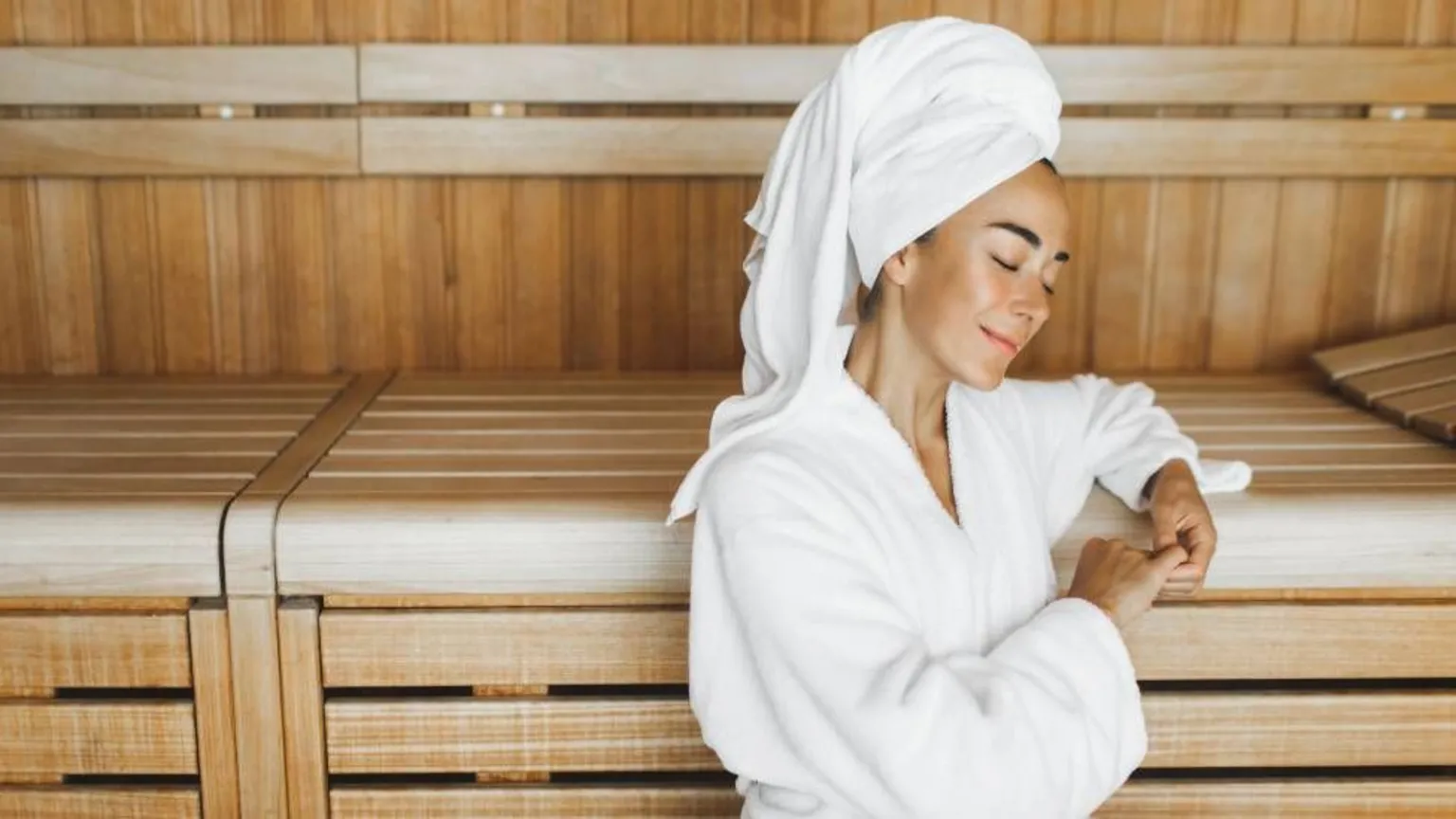
Sauna culture, once confined to the Nordic nations, is rapidly expanding throughout the United Kingdom, with particular momentum building in Wales. Advocates of the heated tradition contend that saunas could soon serve the same social function that pubs have historically fulfilled.
The Rapid Growth of Public Saunas in the United Kingdom
More than six hundred public saunas now operate across the United Kingdom, a figure that reflects a year‑on‑year increase. Many of these facilities have chosen settings that highlight the natural beauty of the British Isles, opening on sandy beaches, beside serene lakes, and within remote rural landscapes that invite relaxation and community gathering.
The British Sauna Society lists approximately six hundred and thirty‑nine public saunas on its online directory, up from five hundred and forty at the beginning of the calendar year. A recent market analysis predicts that the United Kingdom could become Europe’s largest sauna market by the year 2033.
Gabrielle Reason, director of the British Sauna Society, remarked, "The continuing growth suggests that the peak has still yet to come – if there is one." Gabrielle Reason’s observation underscores the notion that demand for sauna experiences is still climbing, and that the cultural shift may have only just begun.
Wales’ Landscape as a Natural Backdrop for Sauna Culture
Business owners in Wales argue that the nation’s dramatic coastlines, rolling hills, and remote countryside provide a perfect complement to sauna use, drawing a parallel with the longstanding relationship between sauna culture and the Finnish environment.
Kathryn Donavan, 40, opened Môr A Sawna near Jackson's Bay, Barry, Vale of Glamorgan, in June 2024. Kathryn Donavan’s decision to establish an outdoor sauna was motivated by personal health challenges, including premenstrual dysphoric disorder (PMDD) and endometriosis, conditions that had previously been managed through cold‑water therapy.
Following a surgical procedure that removed portions of Kathryn Donavan’s womb, the frequency and intensity of Kathryn Donavan’s symptoms increased dramatically, at times leaving Kathryn Donavan unable to rise from bed. Kathryn Donavan described the experience as "I was in so much pain," adding that flu‑like symptoms also emerged.
In response to the worsening condition, Kathryn Donavan turned to alternative therapies, beginning a regular visit to a sauna located an hour and a half from Kathryn Donavan’s residence. The scarcity of nearby facilities sparked a question in Kathryn Donavan’s mind: why were such therapeutic spaces not more readily available? The answer prompted Kathryn Donavan to launch an outdoor sauna of Kathryn Donavan’s own design.
Since the opening of Môr A Sawna, Kathryn Donavan reports that the severity of Kathryn Donavan’s pain has diminished considerably. Kathryn Donavan explained, "I don’t get pain anywhere near as intense as I used to." The reduction of symptoms has been attributed to regular sauna sessions, which Kathryn Donavan believes complement the broader management plan for the underlying health conditions.
Patrons of Môr A Sawna visit for a variety of motivations. Some seek a sense of community, while others aim to alleviate feelings of isolation. Regular users, according to Kathryn Donavan, include individuals who rely on the sauna to improve sleep quality and enhance mobility. Kathryn Donavan summed up the philosophy with, "I just think sauna is a way of life – it’s not a fad, it is a place to unwind and destress or be social."
Saunas as Sober Social Hubs: The Perspective of a Technology Veteran
William Jenkins, who spent fifteen years in the technology sector, describes a period of intense professional pressure that culminated in a severe mental‑health crisis. William Jenkins recounts that the relentless workload and associated stress eventually led to a mental breakdown.
During a period of travel, William Jenkins discovered sauna culture for the first time. Over the course of nine months, William Jenkins visited seventy saunas across fourteen different countries, noting that the experience offered tangible benefits for mental well‑being.
Upon returning to Wales, William Jenkins opened Hikitalo Sauna in Porthcawl. William Jenkins describes saunas as "the new pub," emphasizing that the environment provides a sober alternative to alcohol‑centric gatherings. William Jenkins notes, "A sober way of getting together and you don’t wake up with any hangovers."
William Jenkins believes that the social dimension of sauna use delivers a profound mental‑health advantage. William Jenkins asserts, "We all need a sense of belonging and that kind of social connection," and adds that the culture is "here to stay." William Jenkins also highlights the egalitarian nature of the sauna experience, stating, "There’s no titles or social status in the sauna, that’s what I really love about it. It’s a place that’s judgement free." The emphasis on equal footing aligns with William Jenkins’s broader goal of fostering inclusive community spaces.
Beyond the personal benefits, William Jenkins stresses the synergy between sauna environments and Wales’ natural scenery. William Jenkins observes, "The combination of these social saunas in connection with nature, I think there’s something very special about it." William Jenkins’s statement mirrors the earlier observations made by Kathryn Donavan and reinforces the notion that the Welsh landscape enhances the overall sauna experience.
Scientific Views on Health Benefits and Safety
Dr Geoff Combs, lecturer in sport and exercise science at Bangor University and a member of the Institute for Applied Human Physiology, cautions that the health advantages associated with sauna use should be considered alongside other healthy behaviours. Dr Geoff Combs emphasizes that lifestyle factors such as nutrition, physical activity, and adequate hydration play a critical role in determining overall outcomes.
When asked about personal testimonies that sauna sessions improve mental health, Dr Geoff Combs responded, "If someone is telling me that they feel it improves their mental health, that’s great, keep doing it," while also noting the need for further rigorous research to substantiate such claims.
Dr Geoff Combs stresses the importance of safety protocols. Dr Geoff Combs advises individuals to conduct thorough research using reputable sources, to stay attuned to bodily signals, and to avoid overheating. Practical recommendations from Dr Geoff Combs include hydrating before entering the sauna, bringing water inside, and beginning with short sessions. Dr Geoff Combs suggests, "Go in for a few minutes, see how you feel, take a break. I think it’s important to have scientific evidence, but if people enjoy doing something, then they should continue to do that." Dr Geoff Combs concludes that enjoyment must be balanced with responsible use to prevent adverse effects.
Balancing Enthusiasm with Evidence
The surge in sauna popularity across the United Kingdom reflects a broader desire for communal, health‑focused experiences. While personal narratives from Kathryn Donavan, William Jenkins, and other sauna patrons highlight improvements in pain management, sleep quality, and mental well‑being, experts such as Dr Geoff Combs remind readers that scientific validation remains an evolving field.
Key recommendations emerging from the expert community include staying well‑hydrated, limiting exposure duration for newcomers, and integrating sauna sessions with other health‑promoting activities. By adhering to these guidelines, individuals can enjoy the social and therapeutic benefits while mitigating potential risks.
The consensus among advocates and scholars alike suggests that the future of sauna culture in Wales and the broader United Kingdom is promising. Whether saunas ultimately supplant traditional pubs as the primary venue for social interaction remains to be seen, but the current trajectory points toward a lasting cultural shift that blends wellness with community.