Why April is a special time for many parts of India
Every year, when the calendar flips to the middle of April, I notice that the whole country seems to hum a little differently. In most places, the air feels a bit cooler after the scorching summer heat, and farmers are busy harvesting the first crops of the season. At the same time, families across six states are preparing for a new beginning, but each of them does it in a way that reflects their own language, food, music and history. I have been lucky enough to witness a few of these celebrations, sometimes as a guest in a neighbour’s house, other times as a passer‑by at a local fair. Let me take you through the six festivals, one by one, and share what I saw, tasted and heard.
Baisakhi (Punjab, Haryana) – April 14
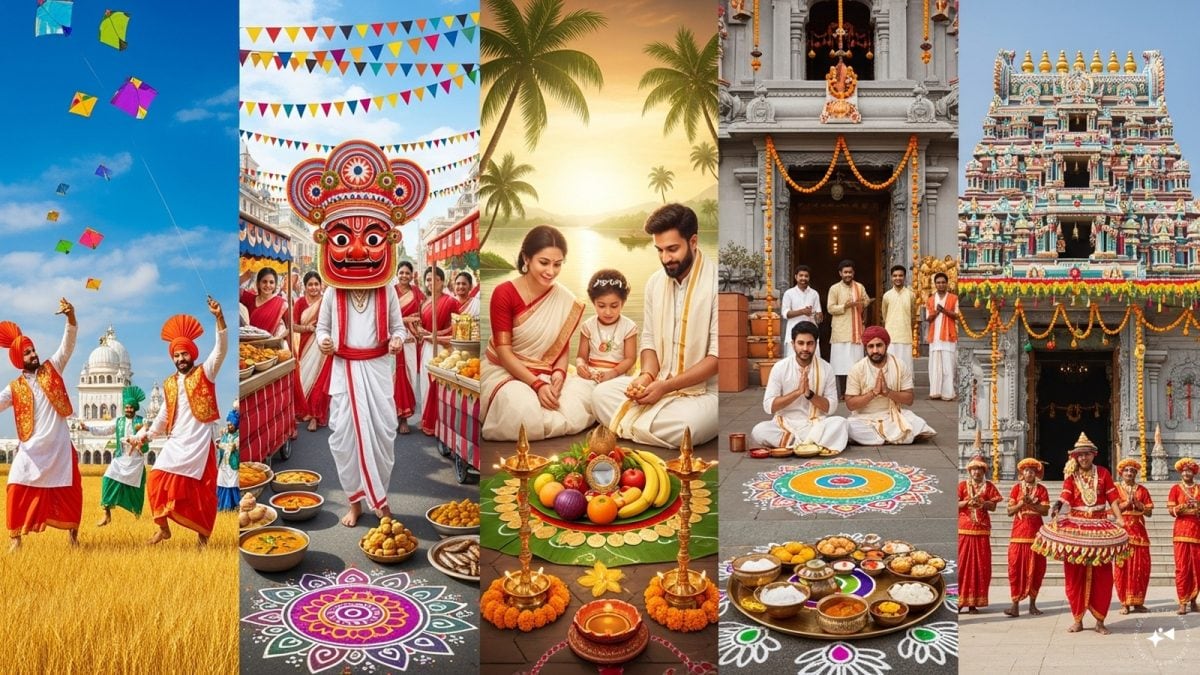
My first encounter with Baisakhi was in a small village near the border of Punjab and Haryana. The whole place was drenched in bright yellow and orange, the colour of mustard fields ready for harvest. As the sun rose, men and women gathered at the local Gurdwara, their heads covered with turbans and neatly tied scarves. The sikh community performed kirtans, their voices echoing through the high ceilings, while the rhythmic beat of the dhol filled the lanes. After the prayers, the younger ones started the Bhangra and Gidda, spinning and jumping in a frenzy that made the whole crowd laugh and join in.
What struck me was how Baisakhi is not just a religious event for Sikhs – it also marks the day Guru Gobind Singh created the Khalsa in 1699. The elders kept reminding us that the bravery and discipline of the Khalsa are what give the festival its deeper meaning. On the other hand, the farmers, whom I chatted with while sipping lassi, spoke of Baisakhi as a thanksgiving to the land. They showed me the fresh wheat sheaves they had stacked, and they performed a simple ritual of offering the first grain to the local deity, asking for a bountiful harvest.
After the celebrations, the whole village shared a massive feast. The table was piled with makki di roti, sarson da saag, and a mountain of butter. The taste of the fresh butter, still warm from the churn, made me think of the simplicity and honesty that Baisakhi carries – a mix of devotion, harvest joy and community spirit.
Puthandu (Tamil Nadu) – April 14
When I travelled down to Tamil Nadu for Puthandu, the first thing that Greeted me was the scent of fresh jasmine mingling with the early morning breeze. In Chennai, families wake up before sunrise, take a quick ritual bath, and then dress in new silk saris or crisp white shirts – the kind you only wear on special occasions. The first sight of the day, called “Kanni”, is treated like a good omen, and many households place a banana leaf with a few small items like a coconut, a betel leaf and a few coins to welcome prosperity.
At my friend’s house, the whole living room was decorated with garlands of mango leaves, known as ‘thoranam’, draped across the doorway. The colour of the leaves reminded me of the lush Greenery that peeks out after the first rains. The centerpiece of the Puthandu feast was Mango Pachadi – a tangy, sweet and spicy mixture of raw mango, jaggery, neem flowers and a pinch of chilli. The taste was a perfect metaphor for life: a blend of bitter, sweet and hot, all together.
We also enjoyed traditional dishes like ‘sambar’ and ‘rasam’, along with a spread of rice, vada, and an assortment of sweets such as ‘payasam’. The entire meal was eaten on banana leaves – the practice that keeps the food warm and adds an earthy flavour. While we ate, elders told stories of the ancient Tamil calendar, explaining how the sun’s movement into the Aries sign signals the start of a new year. The whole atmosphere felt like stepping into a storybook, where every detail, from the fresh flowers to the mango pachadi, had a meaning attached to it.
Pohela Boishakh (West Bengal) – April 14
Visiting Kolkata during Pohela Boishakh is like walking into a living kaleidoscope. The streets are filled with bright red and white ‘alpana’ – intricate patterns drawn on the ground with rice paste – and the air is filled with the sound of dhak drums. I joined a group of friends who were heading to the iconic Kumartuli artisans’ workshop. The artisans were busy shaping clay idols for the later Durga Puja, but they took a break to enjoy the festive spirit. They had set up small stalls selling ‘jhalmuri’ (spiced puffed rice) and ‘panta bhat’ (fermented rice), which I tried for the first time. It was slightly sour, and the coolness of the fermented rice reminded me of a refreshing drink on a hot day.
The day began with a visit to the local temple. People offered prayers, and then a large communal meal was served, featuring ‘Shorshe Ilish’ – hilsa fish cooked in mustard sauce. The fish was oily and tender, its flavour strong enough to linger in memory. The sweet side of the celebration was equally impressive; families prepared bowls of ‘Rasgulla’ and ‘Sandesh’, soft spongy sweets soaked in light syrup.
What made Pohela Boishakh stand out for me was the cultural procession known as ‘Mela’. Artists in traditional dress performed folk dances, showcasing the rich heritage of Bengal. The processions also included river boat rides on the Hooghly, where I witnessed people singing ‘Bhawaiya’ songs while the sun set behind the cityscape. The whole festival is a blend of devotion, culinary indulgence and artistic expression, and it reminded me how deeply the Bengali people cherish their cultural roots.
Vishu (Kerala) – April 14
When I arrived in Kerala for Vishu, my first stop was my aunt’s house in a quiet suburban neighbourhood of Kochi. The main highlight, she explained, is the “Vishu Kani” – the first thing one sees on the day’s dawn. Early that morning, we stepped onto the balcony, and before us lay a colourful arrangement of rice grains, golden mangoes, flowers, a small mirror, a lamp and a few gold coins. The sight was meant to bring luck for the whole year, and my aunt told me that the items are chosen based on what each family values – most families include a small golden jewellery piece or a tiny piece of coconut.
After the “Vishu Kani”, the house rang with the sound of firecrackers. The sky lit up with bright colours while the scent of fresh coconut oil and fried banana chips filled the kitchen. The Vishu feast, known as “Sadya”, was a massive spread laid out on banana leaves. There were dishes like ‘Aviyal’ (vegetable stew with coconut), ‘Thoran’ (stir‑fried vegetables with grated coconut), ‘Pachadi’ (sweet and sour relish), and a large bowl of ‘Parippu’ (lentil curry). The highlight, as always, was the bitter sweet taste of ‘puzhukku’ – a type of stew that reminds you of the mixed experiences of a new year.
What I enjoyed the most was the sense of togetherness. Everyone sat on the floor, chatting about old memories and future hopes while eating with their right hand. The gentle clatter of the ‘ellil’ (small wooden spoon) against the banana leaf seemed to mark the rhythm of a new beginning. Vishu, for me, felt less like a grand public celebration and more like a warm family reunion, where the first sight of the day sets a hopeful tone.
Bohag Bihu (Assam) – April 14
My journey to Assam for Bohag Bihu took me to a lively village near Guwahati. The celebration lasted three days, and each day had its own flavor. The first day, called ‘Rongali Bihu’, started early when the entire village gathered near the communal field. The air was filled with the sweet sound of the ‘dhol’ and ‘ pepa’ – traditional drums and horn – as men and women entered a circle, holding hands, and performed the Bihu dance. Their movements were energetic, with sudden jumps and rhythmic claps, reflecting the excitement of the new agricultural season.
On the second day, families cleaned their homes from top to bottom, painted the walls with fresh white lime, and wore bright new clothes – often a ‘mekhela chador’ for women and a ‘dhoti’ for men. The festive food was ‘pitha’, fluffy rice cakes that come in many varieties – some filled with jaggery, others with coconut. I tried ‘tenga pitha’, which had a tangy flavour that reminded me of the first rain after the summer heat.
On the third day, people visited elders, exchanged sweets and sought blessings for a prosperous year ahead. In one house, I saw a small altar where a wooden idol of the goddess ‘Lakshmi’ was placed, and the family offered fresh flowers and coconut water. The whole atmosphere was one of renewal – cleaning, new clothes, fresh food – all symbols of a hopeful start. Bohag Bihu stands out for its lively dance, community spirit and the close tie it has with the agricultural calendar.
Sajibu Cheiraoba (Manipur) – April 14
Manipur’s Sajibu Cheiraoba felt like stepping into a hidden world of colour and tradition. I was invited to a friend’s home in Imphal, where the day began with a quiet prayer at a small shrine. After the prayer, the family went door‑to‑door, offering sweets and exchanging Greetings. The feast that followed was centred around a hearty dish called ‘Iromba’, a mash of boiled vegetables mixed with fermented fish and local herbs. The flavours were pungent, sour and slightly spicy – a perfect representation of the region’s love for bold tastes.Throughout the day, groups of children played traditional games like ‘Kangouei’, while elders performed a folk dance known as ‘Ras Lila’. The rhythmic clapping and melodic singing created an uplifting environment. The festival also marks the start of the new crop season, and the community gathered to discuss planting patterns for rice and seasonal vegetables. The conversation often turned to the importance of preserving the environment, as many families still rely on organic farming techniques passed down through generations.
What stayed with me the most was the sense of unity. Even though Sajibu Cheiraoba is not as widely known as some other New Year festivals, the people of Manipur treat it with the same reverence and excitement. The combination of prayer, communal meals and cultural performances made the day feel both spiritual and festive.
The Uniqueness of India’s New Year Celebrations
After travelling across these six states, I realised that the common thread tying all these festivals together is the idea of renewal – whether it is the first harvest, the first sunrise, or the first sweet taste of a new dish. Yet the way each community expresses that renewal is as diverse as the languages spoken across the country. Baisakhi brings together the martial spirit of the Khalsa and the gratitude of farmers. Puthandu Greets the new year with mangoes and fresh flowers. Pohela Boishakh mixes temple prayers with river processions. Vishu looks at the first sight of the day as a lucky omen. Bohag Bihu is an energetic dance of the fields, and Sajibu Cheiraoba blends prayer with bold, earthy cuisine.
One thing that stood out during my travels was how food always plays a central role. From the tangy mango pachadi of Tamil Nadu to the buttery makki di roti of Punjab, every plate tells a story of the land, the season and the people. Even the simple act of laying food on a banana leaf – a tradition repeated in many of these celebrations – connects us to the earth and reminds us of our shared roots.
It is also fascinating to see how each festival, while rooted in ancient traditions, adapts to modern life. In Bangalore, I saw a group of young professionals celebrating Vishu by sharing photos of their “Vishu Kani” on social media, adding emojis for luck. In Kolkata, a local school organised a “Pohela Boishakh” art competition, encouraging children to paint their vision of the new year. These small adaptations show that the spirit of renewal is alive and well, even in today's fast‑paced world.
In the end, these six celebrations on the same dates – April 14th and 15th – give a vivid picture of India’s cultural mosaic. They prove that while we may speak different languages, wear different clothes and eat different foods, we all share the same hope for a blessed, fruitful year ahead. The festivals remind us that diversity is not a barrier but a beautiful tapestry that we all contribute to, one festival at a time.