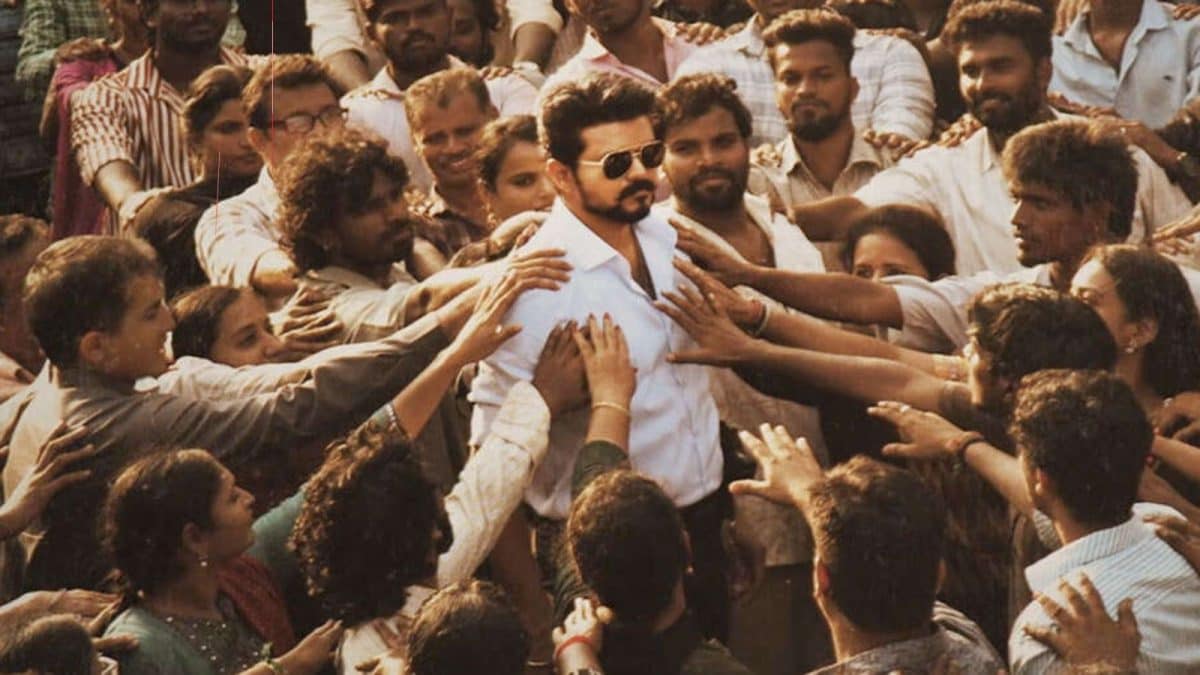
What happened with Jana Nayagan?
I was scrolling through my feed the other day, when a clip of Jana Nayagan suddenly popped up. It was bizarre – the scene was clearly unfinished, the sound was off and the watermark was missing. Within minutes the clip started spreading across a few WhatsApp groups and even some YouTube channels. The whole thing felt like someone had taken a private party invite and broadcast it on a loudspeaker for everyone.
From my perspective, the leak was not just a spoil‑spoiler; it was a direct attack on the whole crew that spent months, sometimes years, shaping the story. The actors, the directors, the technicians – everybody’s effort was suddenly exposed without any permission. And the worst part? It happened before Jana Nayagan even had its first official preview.
Everyone knows that piracy can hurt the box‑office, but the emotional damage is often ignored. When a film is leaked, the confidence of the makers takes a hit. It becomes a case of ‘why bother’ for many who invest their heart and soul into cinema.
Varun Tej Konidela’s strong reaction
Varun Tej Konidela, one of the lead actors of Jana Nayagan, was quick to respond. On his X (formerly Twitter) account Varun Tej Konidela posted a message that read, “What’s happening to Jana Nayagan is unacceptable. Leaking unreleased content is not entertainment, it’s outright theft and a complete betrayal of the hard work and trust of an entire team. Those responsible should be identified and held accountable. There must be consequences for actions like this. Please don’t support this cowardly act.”
Reading this, I felt the raw frustration. Varun Tej Konidela didn’t just write a generic note; each word seemed to echo the sleepless nights that the crew must have endured. The phrase “outright theft” struck a chord, because it reminded me of a time when a friend’s small business was ruined by a sudden copy‑cat. The feeling of betrayal is universal.
Varun Tej Konidela’s post also carried a clear call‑to‑action: “Those responsible should be identified and held accountable.” It wasn’t just a lament; it was a demand for justice. In most cases, such demands from a star of his stature can push authorities to look deeper.
Veteran stars join the chorus
It wasn’t long before the senior legends of Indian cinema added their voices. Rajnikanth, Chiranjeevi and Kamal Haasan – all stalwarts with decades of experience – took to social media, each highlighting a different aspect of the problem.
Reading through their statements felt like sitting in a living room where the biggest elders of Bollywood and Tollywood are discussing a matter that hits close to their hearts. Their words were direct, heartfelt and, in many ways, practical.
Rajnikanth’s plea for swift action
Rajnikanth posted a translated X message that said, “The release of the Jana Nayagan film on the internet by someone has caused shock and pain. Film associations must raise their voice against this, and the government must identify those responsible and impose severe punishment. Such crimes must not be allowed to continue in the future.”
One can imagine Rajnikanth’s calm, resonant voice delivering the same line on a stage, a reminder of the gravity of the situation. Rajnikanth’s focus was on accountability – not just on the villains who leaked, but also on the bodies that can enforce the law.
He also highlighted the need for the film associations to step up, an appeal that resonates with the ongoing debate about the role of guilds in safeguarding members’ work.
Chiranjeevi’s emphasis on collective responsibility
Chiranjeevi’s post went, “The unfortunate leak of Jana Nayagan is something that deeply concerns me. Cinema is built on trust, effort, and the collective dreams of many. Such incidents affect all of us in the industry and remind us how crucial it is to protect our creative work. We stand with KVN Productions LLP in containing the damage and punishing the culprits. Let us all extend our support to respect and protect CINEMA! Kill Piracy. Save Cinema.”
Reading Chiranjeevi’s words, I could almost feel the weight of his decades‑long journey in the industry. He reminded us that cinema is a shared dream – a collective effort that goes beyond any single actor or director.
He also highlighted the name KVN Productions LLP, reinforcing that the production house itself is on the front line of this fight. The message was clear: the whole industry must rally together.
Kamal Haasan on systemic failure
Kamal Haasan offered a slightly different angle. He wrote, “The leak of Jana Nayagan is not an accident – it is the result of systemic failure. Had due process been timely, we would not be here. Inordinate delays in certification created fertile ground for piracy. When legal access is stalled, illegitimate channels take over. Piracy is beyond politics; it is an attack on the art and artist itself.”
That statement hit close to home for many who have waited weeks for a film’s certificate. The system can sometimes feel like a slow bureaucratic train that never arrives on time, leaving creators frustrated.
From my own experience waiting for a local play’s permit, I know how those delays can cause people to turn to unofficial streams. Kamal Haasan’s point was that the problem isn’t just the leaker; it’s the whole chain that lets a leak happen.
Legal steps taken by KVN Productions LLP
In the wake of the uproar, KVN Productions LLP decided to take legal action. The production house’s legal team issued a public notice warning against the circulation of any leaked content – be it clips, images or the full version of Jana Nayagan. The notice stressed “shock and urgency” over the breach, and warned of action if leaked scenes are downloaded, shared or reposted on any digital medium.
Seeing the legal notice made me think of how many times we, as regular net users, ignore copyright warnings until a DMCA takedown notice arrives. KVN Productions LLP’s swift response shows that the producers are not going to sit idle.
They have also asked platforms to remove the unauthorized material and have called on the police to track down the source. The legal notice, while stern, carries an undercurrent of desperation – a plea to the public not to fuel the fire.
Why the leak matters for Indian cinema
Leaks like this are not just about one film; they symbolize a larger issue. In most cases, the Indian film market works on trust – the trust that a film will be shown in theatres first, that ticket sales will fund future projects, that artists will get paid. When that trust is broken, the entire economy feels the pressure.
Remember the time when a Hindi blockbuster’s songs were leaked weeks before the release? The hype turned into disappointment, and the box‑office numbers suffered. The same pattern is repeating with Jana Nayagan.
Moreover, the leak brings to light the challenge of digital security. Most Indian production houses still rely on physical hard drives sent between studios, and a single compromised drive can cause a ripple effect. The fact that Jana Nayagan was leaked before its official certification shows that somewhere in that chain a weak link existed.
Public reaction and the role of fans
On social media, fans of Varun Tej Konidela and the other stars expressed disappointment and anger. Some posted messages like “Don’t watch the leaked clips, support Jana Nayagan in theatres!” Others shared the legal notice, urging people to report any suspicious uploads.
From my own experience, when a beloved film is pirated, fans often feel torn between curiosity and loyalty. The celebrity statements help tip the scale towards respecting the creators.
In many Indian households, watching a new release together is a weekend ritual. The leak threatens that tradition, turning a communal experience into a fragmented, online binge that hurts the industry.
Looking ahead – what can be done?
Based on the discussions from Rajnikanth, Chiranjeevi, Kamal Haasan and the legal actions by KVN Productions LLP, a few steps seem clear.
- Strengthen certification timelines – as Kamal Haasan pointed out, quicker certification reduces the window for piracy.
- Introduce stricter penalties for leaks – Varun Tej Konidela’s demand for accountability calls for harsher punishments.
- Encourage platforms to adopt faster takedown mechanisms – the legal notice by KVN Productions LLP relies on quick action from social media sites.
- Foster a culture of respect among fans – the shared messages from Rajnikanth, Chiranjeevi and Kamal Haasan aim to make the audience a partner, not a perpetrator.
In everyday life, we see many examples of collective responsibility – from neighbourhood watch groups to clean‑up drives. The film industry needs a similar sense of community, where everyone – from production houses to the audience – looks out for each other.
Conclusion
All in all, the Jana Nayagan leak has become a flashpoint that brought together stars across generations. Varun Tej Konidela’s raw anger, Rajnikanth’s call for swift justice, Chiranjeevi’s reminder of collective dreams, and Kamal Haasan’s critique of systemic flaws together paint a clear picture: piracy is not a victimless crime. It hurts the whole ecosystem.
As fans, as citizens, as lovers of cinema, we have a role to play. The legal steps taken by KVN Productions LLP are just the beginning. The real change will happen when we stop sharing unauthorised clips, when we demand faster certification, and when we support theatres that bring stories to life on the big screen.
Let’s hope that Jana Nayagan, once finally released without further leaks, gets the audience it deserves – not because of a viral clip, but because of the genuine excitement built over months of hard work.