UN Nuclear Watchdog Issues 'Deep Concern' Over Fourth Attack on Iran's Bushehr Nuclear Power Plant
UN Nuclear Watchdog Issues 'Deep Concern' Over Fourth Attack on Iran's Bushehr Nuclear Power Plant
– Tehran, Iran
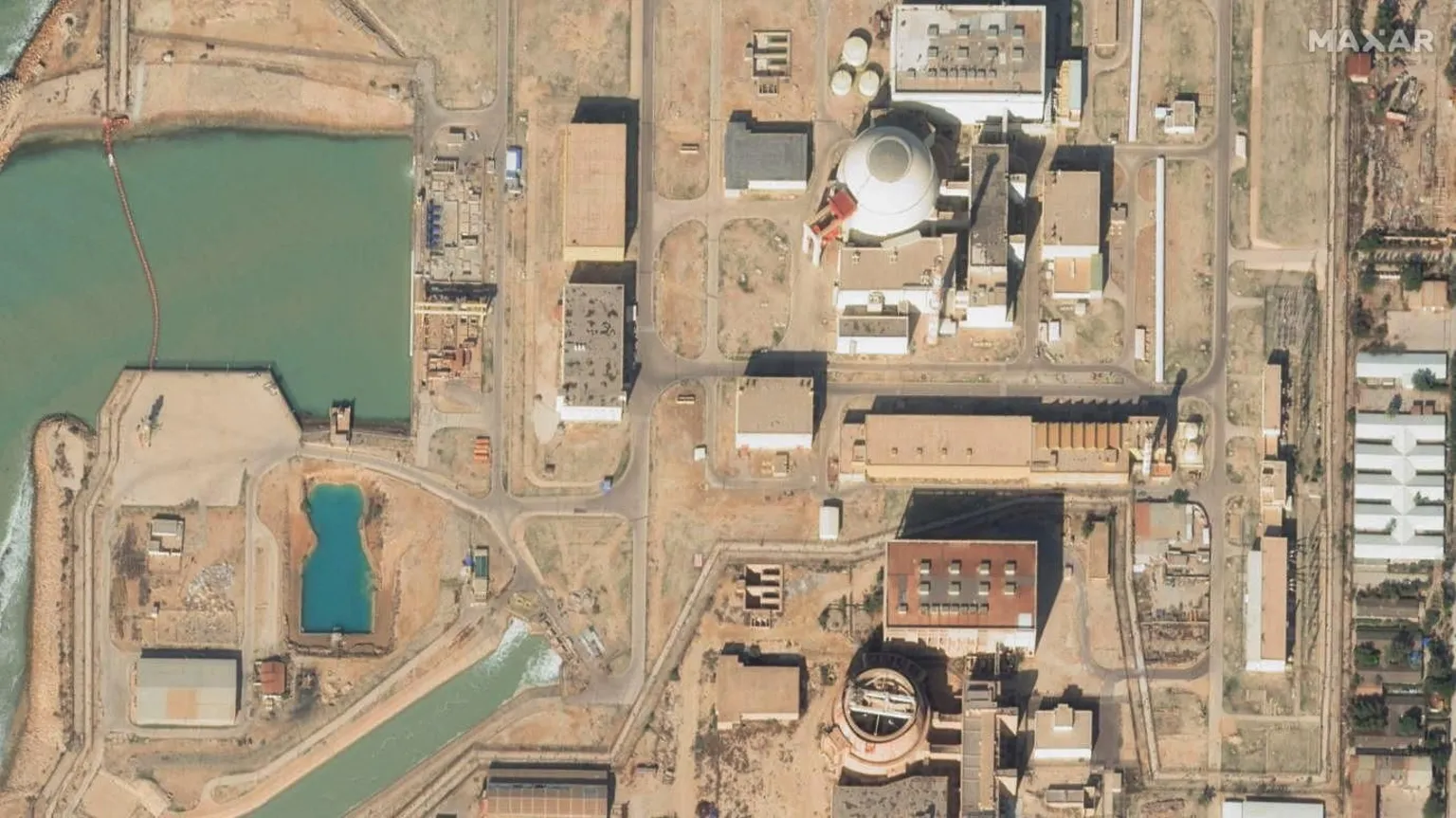
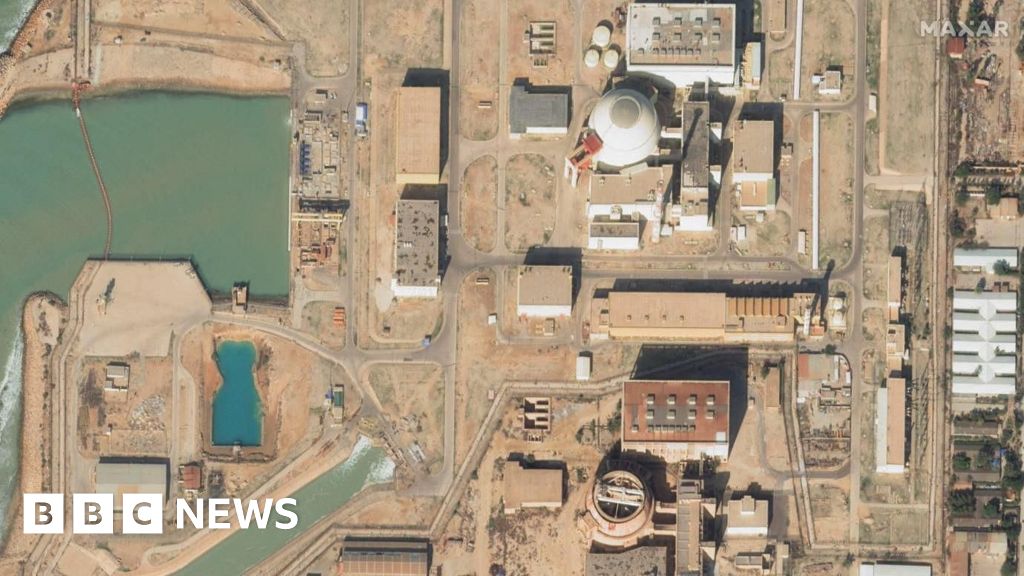
The vicinity of the Bushehr nuclear power plant in Iran has endured a fourth documented strike since the commencement of the current armed confrontation, according to statements released by Iranian authorities. The latest assault resulted in the death of a personnel member employed at the Bushehr nuclear power plant. Iranian officials have placed responsibility for the strike on the United States and Israel, although neither the United States nor Israel has publicly acknowledged involvement.
Bushehr nuclear power plant remains the sole operational nuclear power plant under Iranian control. The plant was constructed with technical assistance and financial support provided by Russia, and its operational status continues to be a focal point of regional energy policy.
International Atomic Energy Agency Reaction
The International Atomic Energy Agency, the United Nations' nuclear oversight body, confirmed receipt of information concerning the recent strike on Bushehr nuclear power plant. In a statement posted to the social media platform X, the International Atomic Energy Agency expressed "deep concern" over the incident. The agency further clarified that no increase in radiation levels had been reported following the strike.
In the same communication, the International Atomic Energy Agency reiterated that nuclear power plant sites and their surrounding environments "must never be attacked" under any circumstances. The agency called upon all combatants to exercise "maximum military restraint" in order to prevent the possibility of a nuclear accident that could have far‑reaching humanitarian and environmental consequences.
Political Context of the Conflict
On 27 March, United States President Donald Trump announced a temporary pause on attacks against energy infrastructure for a period of ten days, describing the suspension as an opportunity for Iran to negotiate a settlement. On the subsequent Saturday, President Donald Trump reiterated the conditional nature of the pause via a post on Truth Social, issuing a stark warning that "all Hell will reign down on them" should Iran fail to meet the stipulated demands, which included reopening the Strait of Hormuz within a 48‑hour window.
During the same timeframe, Iran has continued to launch missile projectiles toward Gulf Cooperation Council states, Iraq, and Israel. In several instances, intercepted missiles have produced falling debris that caused material damage in the target regions. Simultaneously, both Iranian forces and United States forces have been engaged in a joint search operation for a missing United States crew member following the downing of a United States F‑15 fighter jet on the preceding Friday.
United States media outlets have reported that a pilot aboard the downed aircraft has been rescued, though the overall status of the remaining crew members remains under investigation.
Impact on Bushehr Nuclear Power Plant Infrastructure
According to the statement issued by Iranian authorities regarding the attack on Bushehr nuclear power plant, the central components of Bushehr nuclear power plant appeared to have escaped significant damage, and the overall functioning of Bushehr nuclear power plant was described as "not affected."
In response to the heightened security situation, Russia has undertaken the evacuation of a substantial number of its personnel stationed at Bushehr nuclear power plant. Alexei Likhachev, the head of Rosatom, the Russian state nuclear corporation, announced on Saturday that the evacuation of the remaining 198 individuals present at Bushehr nuclear power plant commenced that morning.
Broader Regional and Diplomatic Implications
Iran's nuclear program has long been a source of international tension, prompting the imposition of extensive economic and political sanctions by a coalition of nations. The United States‑Israeli military engagement with Iran began on 28 February, merely two days after a third round of indirect United States‑Iran nuclear negotiations took place in Geneva.
Abbas Araghchi, the Foreign Minister of Iran, issued a warning against actions that could precipitate a catastrophic accident, emphasizing that such an accident would "end life" in Gulf Arab states aligned with the United States. In a social media post, Foreign Minister Abbas Araghchi invoked the Western reaction to hostilities near the Zaporizhzhia Nuclear Power Plant in Ukraine, stating: "Remember the Western outrage about hostilities near Zaporizhzhia Nuclear Power Plant in Ukraine? Israel‑U.S. have bombed our Bushehr nuclear power plant four times now."
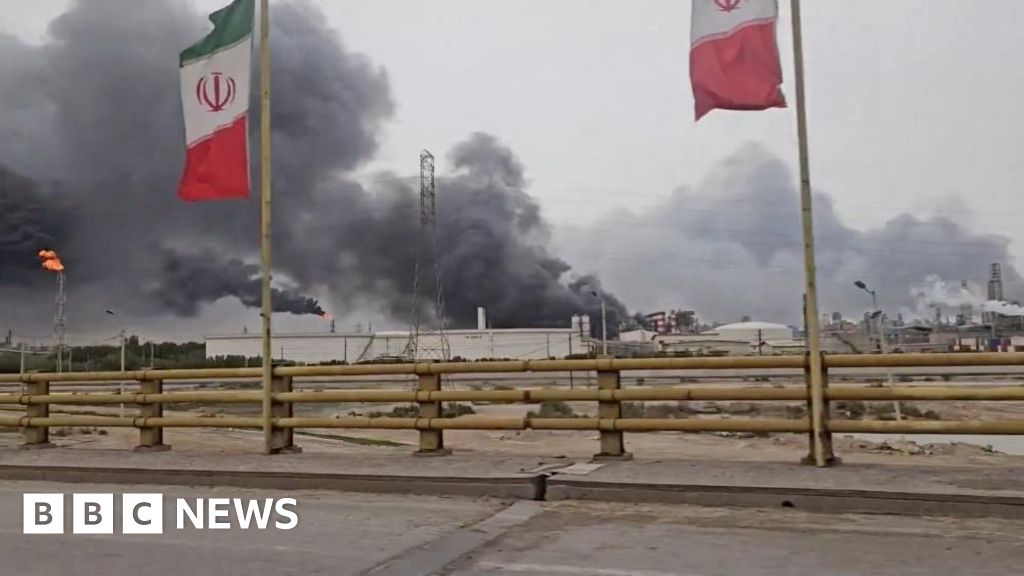
A local Iranian official also reported that the Mahshahr petrochemical complex and the Bandar Imam petrochemical company, both located in south‑western Iran, had been targeted in separate attacks. The attacks on the petrochemical facilities resulted in five individuals sustaining injuries.
Attacks on Academic Institutions
Hossein Simai Sarraf, the Science Minister of Iran, announced that more than thirty universities across Iran have been struck by military actions since the onset of hostilities. During an on‑site visit to Shahid Beheshti University in Tehran—a campus that suffered an attack on Friday—Science Minister Hossein Simai Sarraf characterized the United States and Israel as operating from a "stone age" mindset.
Science Minister Hossein Simai Sarraf further asserted that a civilization possessing a modern, civilized government would never target institutions dedicated to knowledge, scientific laboratories, or research centers.
Calls for Restraint and Future Outlook
The International Atomic Energy Agency's unequivocal appeal for restraint underscores the precarious nature of conducting military operations in proximity to nuclear facilities. The agency's insistence that no escalation occur near Bushehr nuclear power plant reflects a broader international consensus that any inadvertent release of radioactive material could have dire, transboundary consequences.
While the United States and Israel have yet to formally respond to the International Atomic Energy Agency's concerns, the ongoing diplomatic dialogue surrounding the Strait of Hormuz and the broader regional security environment suggests that the next few days will be critical in determining whether combatants will heed the call for maximum restraint.
Analysts observe that the continuation of strikes against vital civilian infrastructure—such as petrochemical complexes, educational institutions, and the Bushehr nuclear power plant itself—escalates the risk of unintended escalation, potentially drawing additional international actors into the conflict.
In the meantime, Iranian authorities continue to monitor radiation levels around Bushehr nuclear power plant, with the International Atomic Energy Agency maintaining a presence to verify that safety standards remain uncompromised. The ongoing evacuation of Russian personnel, as coordinated by Alexei Likhachev and Rosatom, reflects a precautionary approach designed to safeguard foreign nationals in the event of a deteriorating security situation.
As the conflict persists, the ultimate impact on Iran's civilian energy sector, the broader regional power balance, and the international non‑proliferation regime will hinge on the willingness of all parties to respect the prohibitions outlined by the International Atomic Energy Agency and to pursue diplomatic solutions that avert a nuclear accident.