Understanding Recurrent Cavities: Beyond Brushing to Microbial Balance
New scientific insights reveal that repeated tooth decay stems from oral dysbiosis rather than mere hygiene lapses, highlighting the need for personalized microbiome‑focused care.
Oral Dysbiosis as a Central Factor in Dental Decay
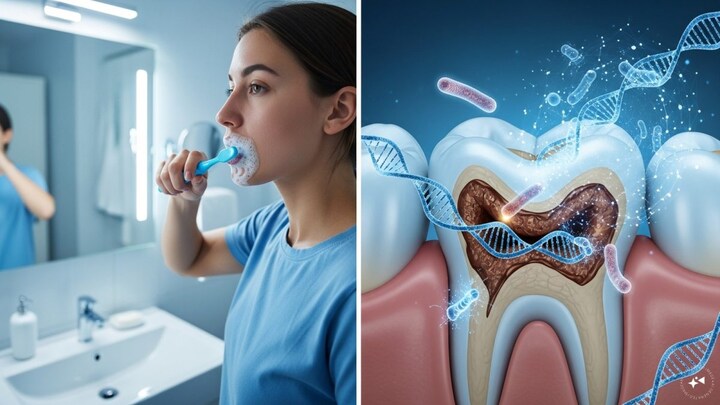
A mounting body of evidence demonstrates that cavities are not simply the consequence of inadequate brushing or flossing. The systematic review in Journal of Oral Microbiology, which examined more than eleven hundred scientific papers, identified oral dysbiosis—disruption of the natural microbial equilibrium in the mouth—as a pivotal contributor to the formation of carious lesions.
Oral dysbiosis describes a shift in the composition and functional activity of the oral microbiome. This shift can manifest as a loss of beneficial microorganisms, a surge in pathogenic species, or an overall reduction in microbial diversity. When the delicate balance that normally restrains acid‑producing bacteria is disturbed, those bacteria gain a competitive advantage, metabolize dietary sugars, and generate acids that erode enamel.
Why the Mouth Functions as a Living Ecosystem
The human mouth constitutes a thriving ecological niche. Hundreds of bacterial taxa, together with fungi and viruses, coexist within the oral cavity. In a state of health, this community remains in dynamic equilibrium: beneficial microbes secrete substances that neutralize acid, thereby suppressing the proliferation of pathogenic strains.
Disruption of this equilibrium—referred to as dysbiosis—creates conditions in which acidogenic bacteria dominate. These microbes thrive on simple carbohydrates, breaking them down into lactic and other acids that lower the pH at the tooth surface. Sustained low pH demineralizes the hydroxyapatite crystals of enamel, eventually leading to cavitation.
“There are hundreds of bacterial types in the mouth that naturally balance each other. Protective bacteria produce compounds that help neutralise acid, thereby preventing pathogenic bacteria from reproducing. When the balance shifts in favour of acid‑producing bacteria, enamel becomes more vulnerable to damage,” explained Dr Debojyoti Dhar, Co‑Founder and Director of BugSpeaks, an advanced microbiome testing platform. “The process by which these bacteria create acid to degrade enamel occurs when they metabolise sugar, especially with frequent and prolonged exposure. Recurring dental cavities are often indicative that acid‑producing bacteria have maintained their dominance over time. Restoring balance within the oral microbiome is essential for the long‑term sustainability of any treatment done for dental decay.”
Beyond Brushing: Dietary Influence on Microbial Balance
Dr Debojyoti Dhar emphasizes that diet exerts a far greater influence on oral microbial composition than occasional lapses in mechanical cleaning. Refined sugars and highly processed foods provide readily fermentable substrates for acid‑producing bacteria. Frequent consumption of these carbohydrates sustains an acidic environment, reinforcing the dominance of harmful taxa.
Conversely, foods rich in dietary fibre stimulate salivary flow and encourage the growth of commensal bacteria that contribute to pH buffering. Regular intake of fibre‑rich items therefore supports a microbial profile that resists acid accumulation.
“Foods high in fibre help to stimulate the flow of saliva and promote the growth of good bacteria. Regular dietary patterns will have a greater impact on the dominance of specific bacteria than will sporadic indulgences,” Dr Debojyoti Dhar noted. “Frequent exposure to sugar will increase the balance of harmful bacteria and lead to a greater risk of developing cavities in the future.”
The Critical Role of Saliva in Maintaining Oral Homeostasis
Saliva functions as a natural buffer, diluting acids, flushing food particles, and delivering antimicrobial peptides. Reduced salivary flow—whether due to dehydration, chronic stress, certain pharmacological agents, or disrupted sleep patterns—compromises these protective mechanisms, making the oral cavity more susceptible to demineralisation.
Dr Debojyoti Dhar stresses that “simply brushing teeth is not sufficient to control the harmful bacteria in the mouth.” Even the most diligent mechanical cleaning cannot fully counteract the biochemical environment created by low salivary output combined with a carbohydrate‑rich diet.
Impact of Antibiotics on the Oral Microbiome
Systemic antibiotic therapy often eradicates susceptible bacterial populations indiscriminately. While targeting pathogenic organisms, antibiotics also diminish beneficial microbes that contribute to pH regulation. This collateral loss can create ecological niches that opportunistic, acid‑producing strains quickly occupy, further aggravating dysbiosis.
Dr Debojyoti Dhar points out that “antibiotic use can further disrupt this balance by eliminating beneficial bacteria, allowing more aggressive microbes to take hold.” The resultant shift may persist long after the drug course ends, sustaining an environment conducive to cavity formation.
Why Identical Oral Hygiene Practices Result in Divergent Cavity Risks
Individuals who follow comparable brushing and flossing routines can experience markedly different outcomes because the underlying microbial community is highly individualised. The establishment of the oral microbiome is shaped by genetic predisposition, systemic health status, lifelong dietary exposures, dentition count, and environmental interactions.
“An oral microbiome will typically contain protective bacteria that help maintain pH balance. However, not all individuals will possess the same types of protective bacteria, even if they practice the same oral hygiene routines,” Dr Debojyoti Dhar explained. “This explains why some individuals remain cavity‑free while others develop repeated decay, even when consistently following recommended oral hygiene practices.”
Interconnection Between Gut Health and Oral Health
Recent investigations reveal a bidirectional relationship between the gut microbiome and the oral microbiome. Dysbiosis in one niche can influence the other through systemic immune modulation, metabolic signaling, and microbial translocation.
Oral dysbiosis has been linked to systemic conditions such as diabetes mellitus, cardiovascular disease, and chronic inflammatory disorders. Pathogenic oral bacteria can enter the bloodstream via inflamed gingival tissues, potentially initiating or exacerbating distant inflammatory processes.
Simultaneously, systemic diseases can alter salivary composition, immune surveillance, and mucosal barrier integrity, thereby fostering an oral environment that favours acidogenic bacteria.
“Disruption to the balance of the gut microbiome has the potential to negatively impact systemic immunity, making it more difficult for the body to control harmful bacteria in the mouth,” Dr Debojyoti Dhar said. “The capacity of enamel to be strong and for the body to heal tissue will depend on its ability to take in adequate nutrients. Recurring dental caries may not only relate to tooth structure but also be indicative of a broader imbalance between the two microbiomes. Therefore, oral health should be considered in relation to overall health.”
Strategic Approaches to Restoring Oral Microbial Balance
Traditional dentistry has focused on mechanical removal of plaque and restorative filling of cavitated lesions. While these interventions address immediate structural damage, they often neglect the underlying ecological disturbance.
Dr Debojyoti Dhar advocates for a paradigm shift toward personalized microbiome‑centric care. “Developing oral health routines based on individualized microbial patterns, with the intention of establishing or improving long‑term stability, may also provide some level of improvement. Personalized approaches focus on restoring the balance of the oral ecosystem rather than only performing repeat fillings or treatments,” Dr Debojyoti Dhar stated.
Practical measures include:
- Adopting a low‑sugar, high‑fibre diet to limit substrate availability for acid‑producing bacteria.
- Incorporating oral probiotic strains that competitively inhibit pathogenic taxa and contribute to pH buffering.
- Ensuring adequate hydration and addressing medication‑induced xerostomia to preserve salivary flow.
- Utilizing targeted antimicrobial rinses only when necessary, thereby avoiding broad‑spectrum disruption.
- Periodically assessing microbial composition through platforms such as BugSpeaks to tailor interventions.
The overarching objective is not to sterilise the mouth—a biologically impossible and undesirable goal—but to nurture a diverse, resilient microbial community that supports enamel health and systemic well‑being.
Conclusion: Embracing a Holistic View of Dental Health
Recurrent cavities should be interpreted as signals of an underlying microbial imbalance rather than as evidence of poor personal hygiene alone. Recognising the mouth as a living ecosystem, acknowledging the influence of diet, salivation, medication, and systemic health, and implementing individualized strategies to rebalance oral dysbiosis together constitute a comprehensive approach to preventing future decay.
By shifting focus from merely removing plaque to fostering a harmonious oral microbiome, patients and clinicians can work toward durable dental health that aligns with overall physiological balance.