So, I was scrolling through the latest news India this morning when I saw the crude market doing something weird. US West Texas Intermediate that’s the benchmark we all hear about had edged up a bit despite President Donald Trump just announcing an indefinite extension of the ceasefire with Iran. If you’re like me and keep an eye on breaking news, you probably felt a little jolt too.
What caught people’s attention was that the price actually touched $90.70 a barrel before settling around $90.26, up about 0.7 per cent. In the previous session the same futures had already jumped 2.8 per cent, so you can imagine the market was already on a roller‑coaster ride.
President Donald Trump’s Unilateral Ceasefire Extension
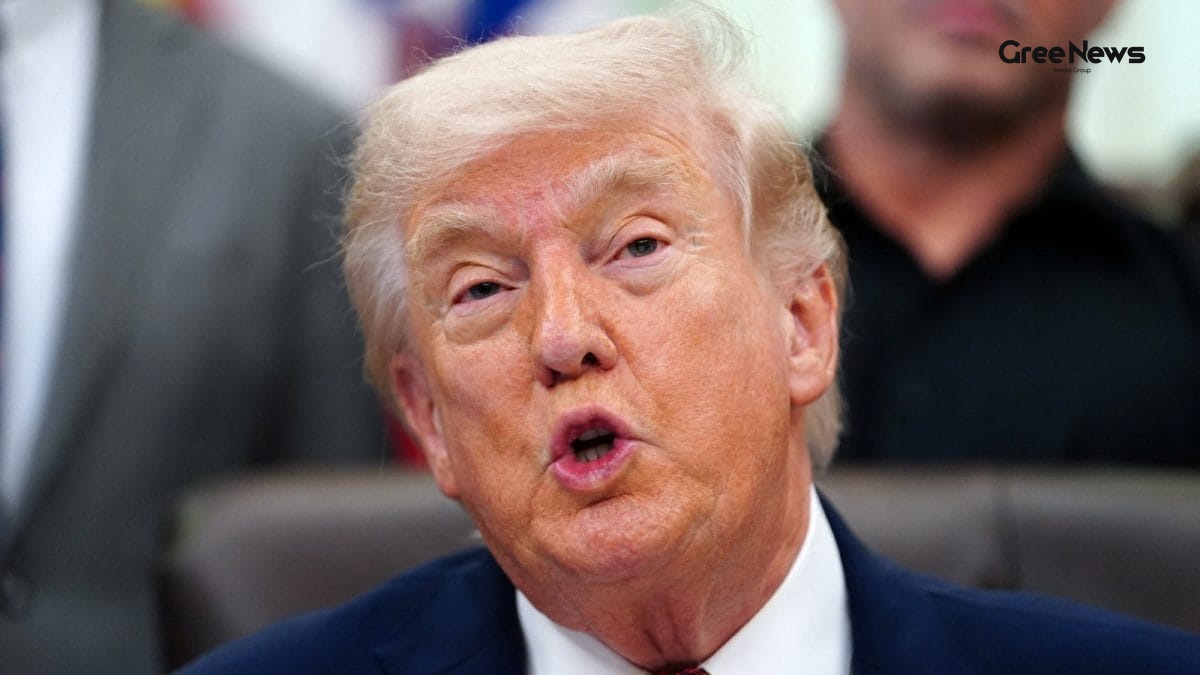
Now, here’s where it gets interesting. President Donald Trump decided, just a few hours before the original ceasefire deadline, to push the clock forward basically buying more time for whatever talks are going on. The thing is, there was no immediate word from Iran or from Israel, our close ally, confirming they would stick to the same timeline.
My brother, who works in a Delhi trading floor, told me that traders felt a bit uneasy because it looked like a solo move. In most cases, when one side makes a big statement without the other side’s nod, you get this kind of “wait and see” vibe.
And it’s not just about the ceasefire. President Donald Trump also said the US naval blockade on Iranian ports would stay in place. Tehran has always called that an act of war, so you can guess the tension hasn’t really cooled down.
Iran’s Stance No Extension Requested
The IRGC‑linked Tasnim News Agency, which is the go‑to source for Tehran’s military‑related statements, reported that Iran hadn’t asked for any ceasefire extension at all. In fact, they warned that if the blockade continued, they might try to break it by force.
That warning sent a shiver down the spine of many analysts. It’s like when you hear that a local politician in Mumbai is refusing to back a policy the uncertainty spreads quickly, and the market feels the tremor.
For us everyday folks, the fear is simple: longer tension could mean higher fuel prices at the pump, which then trickles down to everything from auto‑ramen to the price of a cup of chai on the corner.
Strait of Hormuz Shipping Still Severely Disrupted
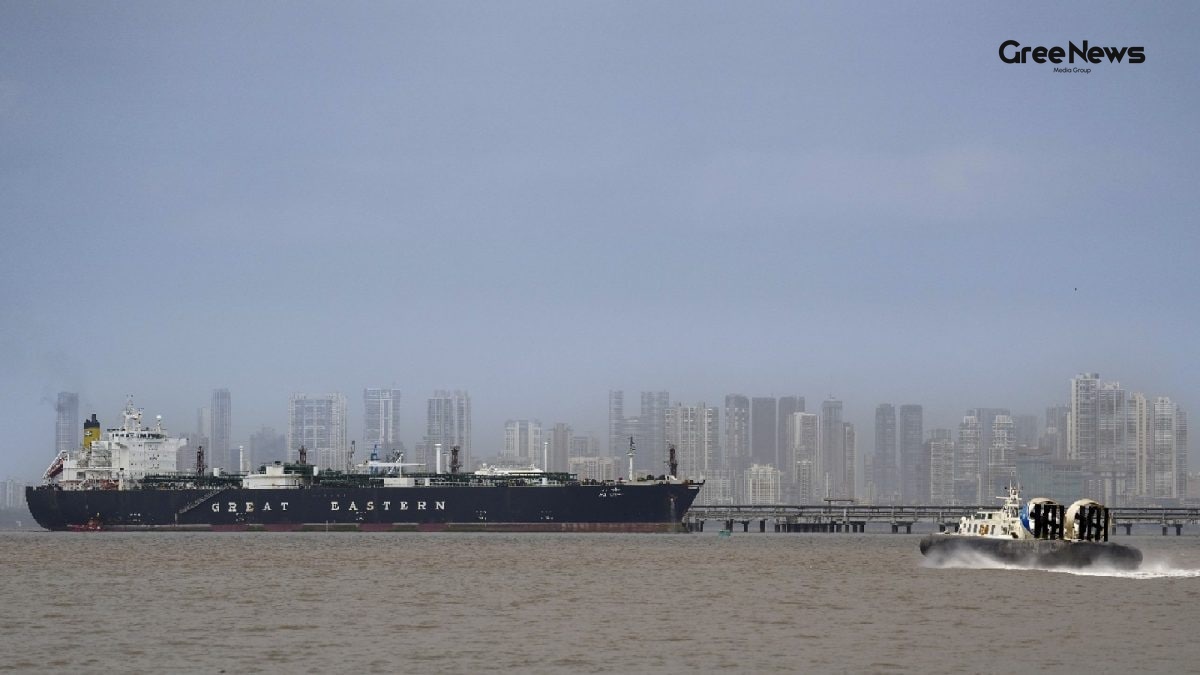
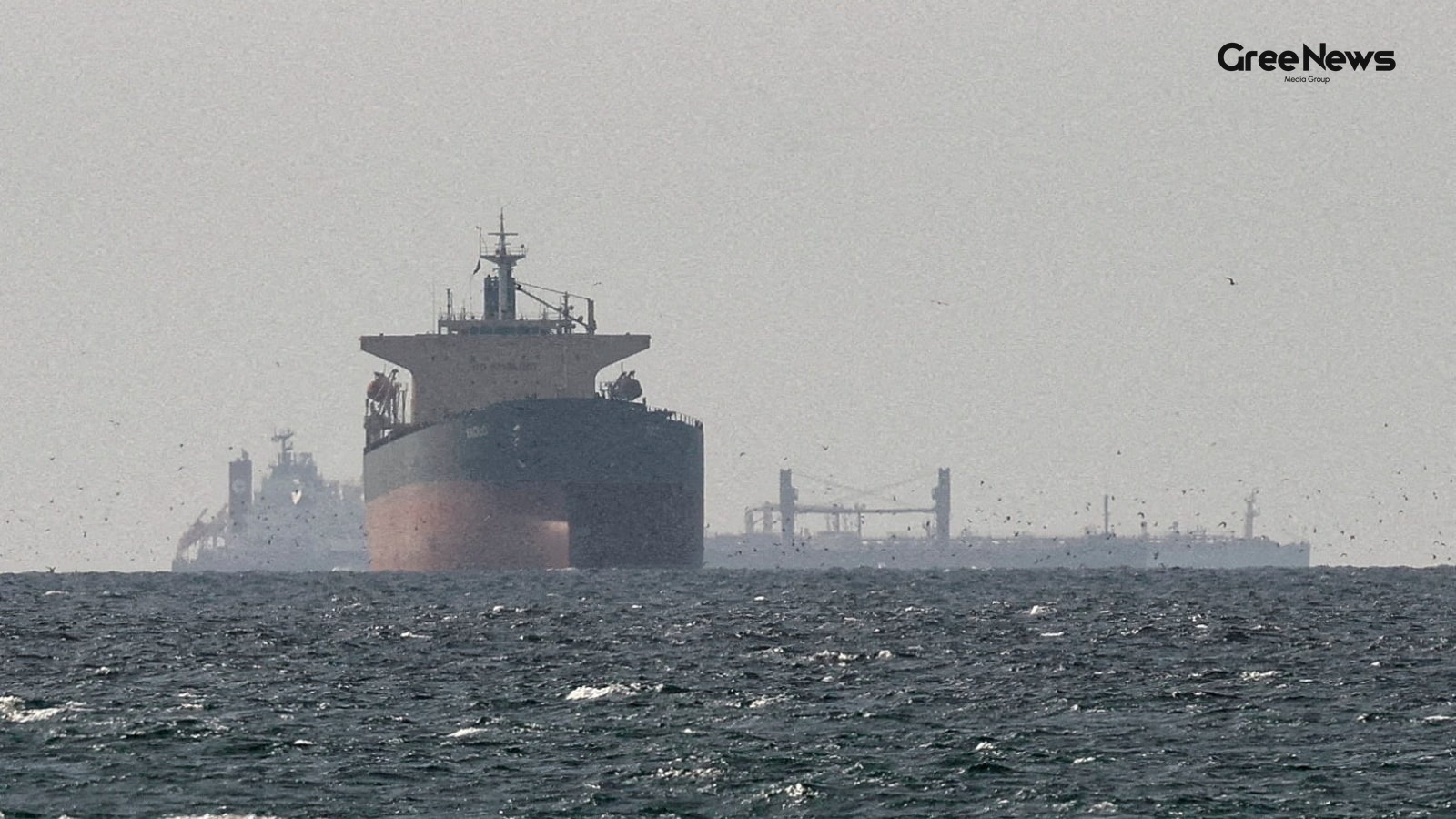
Even though the ceasefire was extended, the Strait of Hormuz that narrow waterway through which roughly 20 per cent of the world’s oil and liquefied natural gas usually sails stayed practically empty. Data showed only three vessels made it through in the past 24 hours.
When I was on a train to Chennai last month, the conversation among fellow passengers turned to how the oil price hike was already making our diesel‑run autos charge more. The same thing is happening now; the limited vessel traffic is a clear sign that the bottleneck is still very much alive.
This slowdown has sparked worries about prolonged supply constraints. Traders in Mumbai’s financial district kept saying that even a small hiccup in Hormuz can cause a ripple effect that reaches us here in India.
Why the Market Is Still Jittery
Even after President Donald Trump’s announcement, the market didn’t calm down. The reason is simple: the diplomatic effort looks fragile, and the blockade is still a reality. In most cases, markets hate uncertainty especially when it’s about energy that powers everything from factories in Gujarat to tea stalls in Kolkata.
Remember the viral news about a farmer in Punjab who was worried about the rising cost of diesel for his tractor? That’s a tiny slice of the bigger picture. When supply routes stay blocked, the price of crude goes up, and soon everyone feels the pinch.
Also, there’s the psychological factor. Breaking news headlines keep shouting “breaking news” and “trending news India” every few minutes. The constant buzz makes investors nervous, prompting them to hedge or pull back, which adds more volatility to the price charts.
What This Means for Indian Consumers
For the average Indian, the direct impact is seen at the petrol pump. A rise of just a few cents per litre can translate into an extra few hundred rupees a month for a family that drives a lot. My aunt, who runs a small logistics company in Hyderabad, told me she’s already budgeting for higher fuel costs in the next quarter.
Beyond fuel, it affects everything that depends on oil from the cost of plastic packaging in our grocery stores to the price of airline tickets when you’re planning a pilgrimage to Varanasi. The knock‑on effect is subtle but widespread.
And let’s not forget inflation. When oil prices climb, the government’s inflation target gets harder to meet, and the Reserve Bank of India might have to tweak rates, which ultimately influences loan interest for home buyers like many of us.
Looking Ahead The Uncertainties Remain
So what’s next? The big question is whether President Donald Trump’s extended ceasefire will ever turn into a lasting peace, or whether the blockade will be broken by force, as Tehran hinted. If the latter happens, we could see a sudden spike in oil shipments or an even deeper disruption.
In most cases, analysts say we should keep an eye on the number of vessels that actually clear the Strait of Hormuz each day. If that number remains low, the market will stay jittery, and the price of US West Texas Intermediate will likely keep hovering around the high‑ninety‑dollar mark.
Until there’s a clear sign of de‑escalation, the best we can do is stay informed. Follow the latest news India, watch the trending news India feeds, and keep an eye on those viral updates that often give a heads‑up before the big moves hit the market.
And if you’re like me, sipping chai on a rainy evening, you might just hope that the negotiations finally bear fruit, because the sooner the Hormuz bottleneck eases, the quicker our fuel prices can settle down.