What sparked the buzz?
Honestly, I was sipping my chai at the corner stall when the TV screen flickered with a breaking news banner that read “US Seizes Iranian Cargo Ship in Sea of Oman”. It felt like one of those moments where the whole neighbourhood pauses, eyes glued to the same story. The headline screamed that the United States had taken control of an Iran‑flagged vessel called Touska, and that Iran was calling the move pure piracy. That’s a lot to take in, especially when you’re used to hearing about cricket scores rather than naval stand‑offs.
What made this episode even more gripping was the way both sides framed it. On one hand, you had the United States, under President Donald Trump, insisting that the ship ignored multiple warnings and was therefore a legitimate target because of existing sanctions. On the other hand, Iran’s ambassador to the UN, Amir Saeid Iravani, blasted the act as a dangerous escalation, a clear breach of a previously aGreed ceasefire, and a threat to the safety of major shipping routes.
This story quickly turned into one of the latest news India outlets were covering, and you could see it trending on every social feed. People were sharing snippets, asking friends what it all meant for oil prices, and debating whether it was really piracy or just a diplomatic tussle.
How the seizure happened the official versions
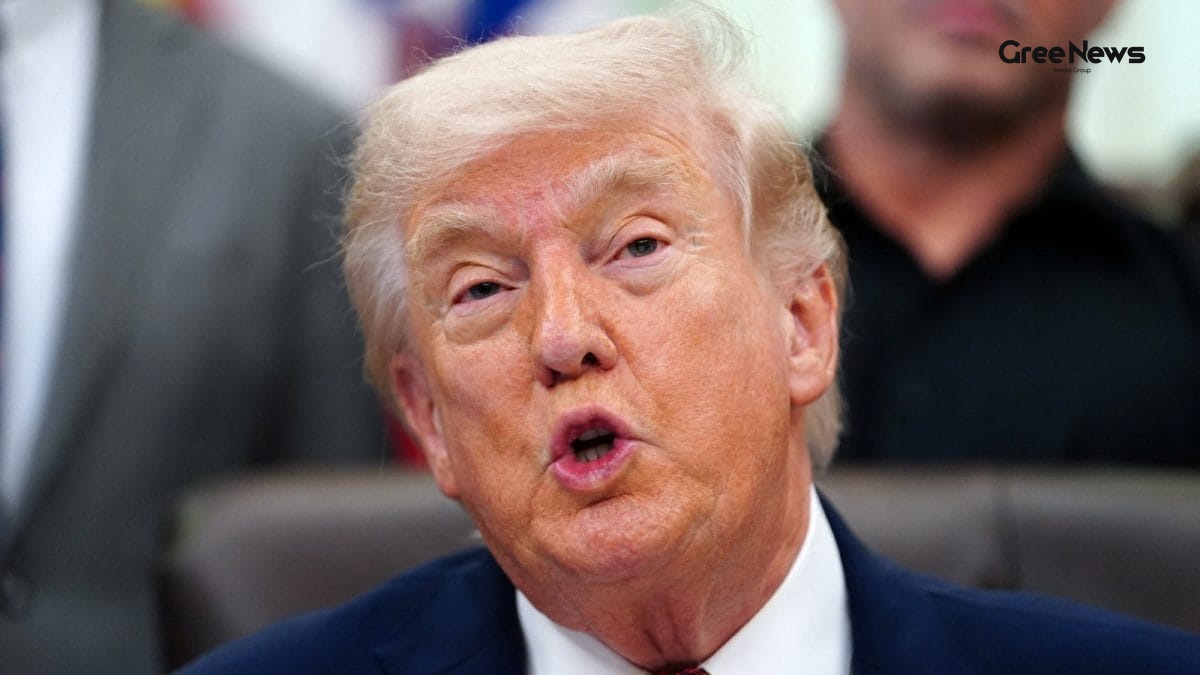
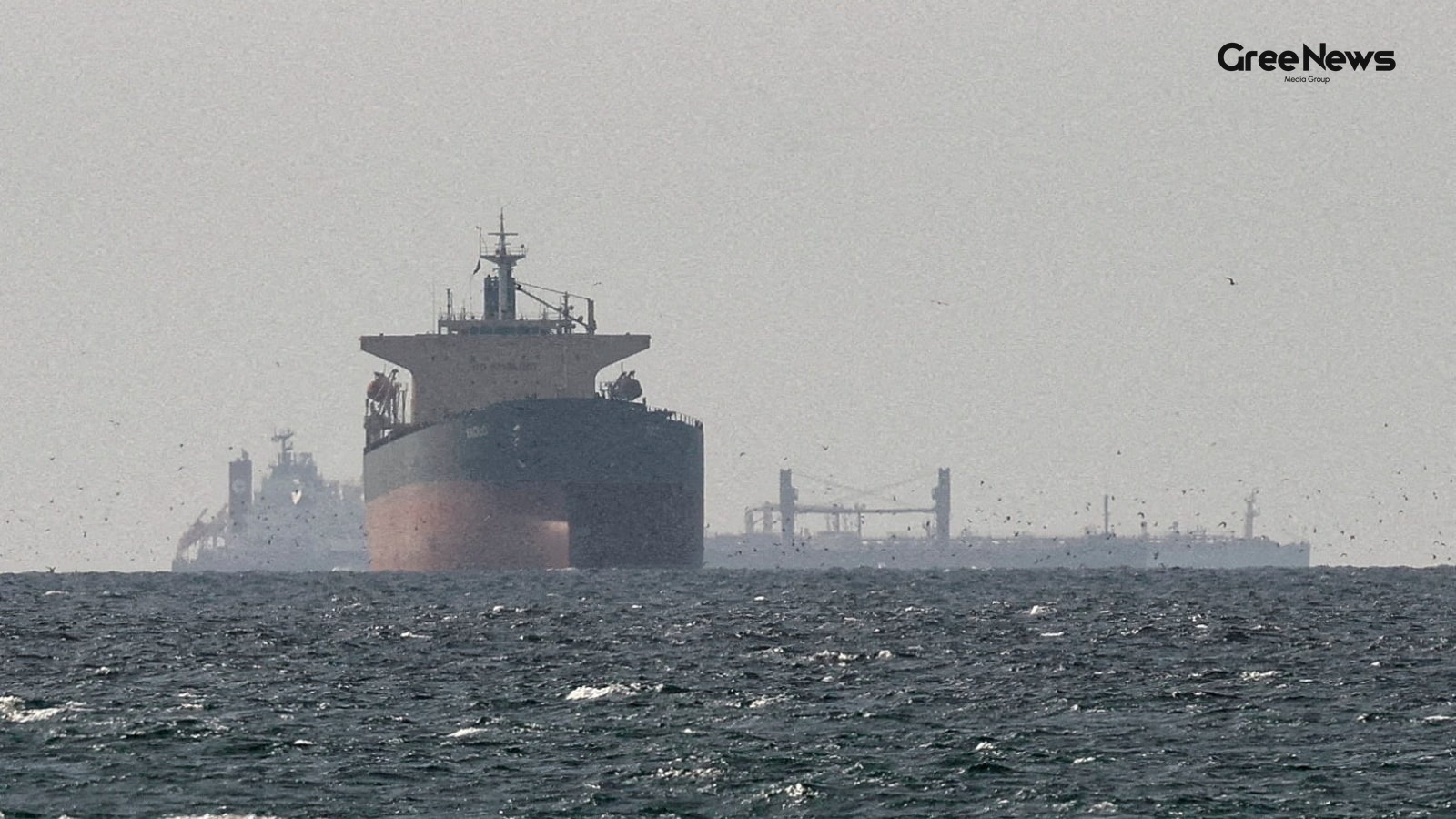
According to the United States, naval forces in the Sea of Oman intercepted the cargo ship Touska after it allegedly ignored clear instructions to stop. President Donald Trump, speaking to reporters, said the US Navy had tried to hail the vessel several times, but the crew kept sailing on. Eventually, the US forces allegedly struck the engine room to disable the ship before boarding it. The claim was that the operation was entirely legal because Touska was under US sanctions, which, as many of us in India know, can be a serious impediment for any vessel trying to move goods across international waters.
Now, here’s where the story turns interesting the Iranian side was quick to dispute every bit of it. In a letter addressed to the UN Security Council and the Secretary‑General, Amir Saeid Iravani described the whole episode as a “dangerous escalation”. He wrote that the seizure bore all the hallmarks of piracy and violated a ceasefire that had been in place since early April, a ceasefire that both nations had aGreed to under the UN Charter.
He didn’t just stop at calling it piracy; he also warned that such actions could jeopardise the safety of vital maritime routes. “Such conduct endangers the safety and security of vital shipping lanes,” he wrote, urging the UN to formally condemn the US action and demand the immediate release of the vessel.
When I read the letter, I couldn’t help but think of the countless tea‑stall conversations back home where anyone with a radio or a phone would quote the same line “piracy in the Indian Ocean is a big worry for our trade”. It’s the kind of thing that catches people’s attention, because many of us rely on the smooth flow of goods through these waters for everything from fuel to spices.
Why this matters for India and the world
The Sea of Oman, where the ship was seized, is a crucial corridor for global trade. A large chunk of the world’s oil and gas passes through this stretch, and any disruption can ripple across markets. That’s why the incident instantly became part of the trending news India feeds investors, traders, and ordinary citizens alike were watching the story, wondering if it would affect fuel prices at the pump.
From an Indian perspective, the safety of these lanes isn’t just a distant concern. Our own energy imports travel a similar route, and any hint of trouble could mean higher costs for businesses and, ultimately, for consumers. It’s also why many of us keep an eye on how the United Nations reacts; a strong condemnation could act as a deterrent, while a muted response might encourage more such actions.
And there’s also the diplomatic angle. India has been trying to balance relations between the United States and Iran for years we buy oil from both, and we have strategic ties with each. An incident like this can push us to re‑evaluate our diplomatic posture, especially if the US continues to enforce a naval blockade that affects Iranian ports, a point that has already been a bone of contention.
This whole episode has turned into some serious viral news on platforms like Twitter and WhatsApp, with memes, opinion pieces, and even some folks joking about needing a “pirate‑free” certificate for their next cargo.
Perspectives from the ground what people are saying
On the streets of Delhi, at the local chai‑wala, the discussion went something like this: “Did you see the new US‑Iran maritime scuffle? They are calling it piracy now!” One man, who works at a freight forwarding company, added, “If this keeps happening, we might have to reroute ships around the Cape, and that will cost a fortune.”
In Mumbai, a sailor I met at the port told me that the crew of the Touska had tried to comply but were confused by the exact instructions. He said it was “a classic misunderstanding that escalated very quickly”. He also mentioned that many of his colleagues were anxious after hearing about the US disabling the engine room a rare move that, according to him, could set a new precedent.
Meanwhile, in smaller towns, the conversation often drifted to how this could affect the price of cooking oil and diesel, something that hits every household directly. You could hear the same line repeated, “If the seas get risky, the cost of everything goes up”. That’s the kind of practical impact that makes this story stick in people’s minds, turning it from a far‑away diplomatic row into something relatable.
What the United Nations could do and why Iran wants it
Amir Saeid Iravani’s letter to the UN wasn’t just a rant; it was a strategic move. By calling for a formal condemnation, Iran hopes to get the international community to pressure the United States into releasing the vessel and perhaps easing the sanctions that led to the seizure in the first place.
The United Nations, as the global watchdog, has the authority to issue statements, pass resolutions, or even set up investigative committees. If the UN were to label the act as piracy, it could trigger legal consequences under international law, making it harder for the United States to justify similar actions in the future.
In most cases, the UN’s response can also influence other nations’ positions. Countries that are on the fence might lean towards supporting Iran if the UN takes a strong stand, which in turn could affect how the US proceeds with its naval operations in the region.
From my perspective, as someone who follows the latest news India and keeps an eye on how global events affect our local economy, the UN’s role is critical. A clear stance could calm the nerves of shipping companies, help maintain stable oil prices, and prevent the situation from spiralling into a larger conflict that could involve more regional powers.
Potential long‑term implications for maritime security
One interesting angle that many analysts are pointing out and which I found quite thought‑provoking is the precedent this sets for future maritime encounters. If a major power can seize a vessel under sanctions and label the act as an anti‑piracy measure, it could open doors for more aggressive patrolling.
Think about it: the global shipping industry relies heavily on predictable routes. Any hint that those routes could become contested zones might force shipping firms to invest in extra security, pay higher insurance premiums, or take longer detours. All of those factors translate into higher costs for consumers, especially in a price‑sensitive market like India.
Also, there’s the diplomatic ripple effect. Countries that have their own disputes with the United States might feel emboldened to take similar actions, citing the Touska incident as a justification. That could destabilise an already fragile balance in the Indian Ocean and surrounding waters.
For us in India, the takeaway is simple: keep watching the news. When the government releases its own statements or when the UN finally responds, it’ll give us a clearer idea of what the next steps are. Until then, it’s another piece of breaking news that reminds us how interconnected our world really is.
My personal reflection why this caught my eye
Honestly, I never thought a story about a cargo ship could spark such a massive conversation across my WhatsApp groups and at the tea stall. Yet here we are, with families discussing the geopolitics of the Sea of Oman like it’s a new cricket rivalry. It just goes to show how quickly an event can become part of the viral news cycle when it hits the right nerve.
What I found most compelling was the human element the crew of the Touska, the sailors watching from the docks, the traders worrying about freight rates, and the diplomats drafting letters to the UN. Each perspective adds a layer to the story, making it richer than just a headline.
In the end, whether you call it piracy, a sanctions enforcement, or a breach of ceasefire, the incident has already left its mark on the trending news India landscape. It’s a reminder that maritime security isn’t just a distant concern for naval officers; it’s something that can affect the price of a bottle of cooking oil, the cost of a bus ticket, and even the daily conversations we have over a cup of masala chai.
So, if you’re scrolling through your newsfeed and see another update about the Touska, remember that behind the short bullet points there’s a whole chain of reactions spanning continents, economies, and ordinary lives. That’s what makes following the latest news India so fascinating every story, no matter how far away, has a ripple that reaches us.