So, the other day I was scrolling through my feed, looking for some breaking news I could share with my friends in Delhi, and I stumbled upon a story that instantly felt like it could affect every petrol pump across India. It was about Iran’s Islamic Revolutionary Guard Corps (IRGC) sending a very stern warning to the Gulf states a warning that if their land or facilities are used to attack Iran, the whole region’s oil output could be at risk.
At first, I thought it was just another political blurb, but the more I read, the more I realised just how big a deal this is. The IRGC, which is basically Iran’s elite military wing, isn’t shy about flexing its muscles when it feels threatened. In this case, Maj. Gen. Majid Mousavi, who heads the Guards’ aerospace force, said the Gulf neighbours must not let their geography become a launchpad for Iran’s enemies. He went as far as telling them to “bid farewell to oil production in the Middle East” if they continue on that path.
That line stuck with me. It’s not every day you hear a military commander basically say, ‘stop using our land for attacks, or you’ll lose your oil.’ And honestly, it got me thinking about how interconnected everything is from a political statement in Tehran to the price of diesel I fill my bike with in Mumbai.
Why the IRGC’s Warning Matters
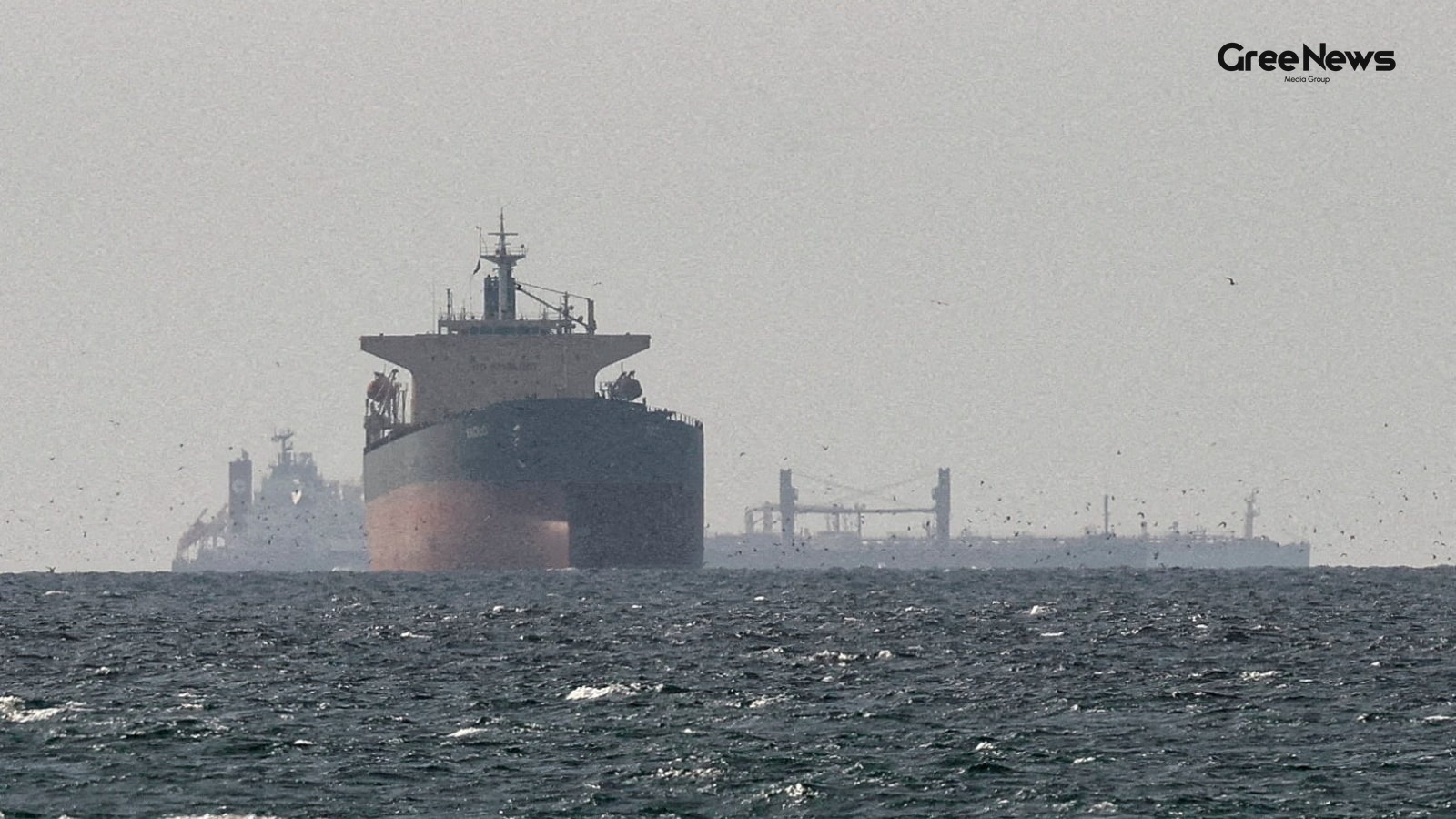
To understand why this warning is more than just hot air, we need to remember a few basics about the global oil landscape. The Middle East, especially the Gulf, supplies a massive chunk of the world’s crude. The Strait of Hormuz the narrow waterway south of Iran is a critical chokepoint. Roughly one‑fifth of all the oil that moves across the globe slips through there every day. If anything disrupts that flow, the effect ripples through the entire supply chain.
Now, imagine the Gulf states Saudi Arabia, United Arab Emirates, Qatar are already hosting a number of US military bases. The United States and Israel are Iran’s main regional adversaries, and the tension between them has been simmering for years. By warning these states, the IRGC is essentially saying, ‘Don’t give your lands to the US or Israel for operations against us, or we’ll make sure oil stops flowing.’ It’s a strategic move, a gamble that leverages Iran’s control, or at least influence, over the oil routes that the world depends on.
What caught people’s attention was the bluntness of the threat: “bid farewell to oil production.” It’s not a vague diplomatic note; it’s a direct challenge that could translate into real‑world economic consequences if the threat turns into action.
Regional Dynamics Who’s Watching?
In most cases, the Gulf nations try to keep a delicate balance. They are huge oil exporters; their economies are heavily tied to the flow of crude. At the same time, they rely on security ties with Washington. So, when Iran tells them not to be a base for its enemies, the Gulf states are put in a tricky spot.
For instance, Saudi Arabia has been a long‑standing partner of the US, hosting several bases and sharing intelligence. The United Arab Emirates has also opened its ports to American naval ships. Qatar, despite its tiny size, has become a major hub for US military logistics in the region. These relationships mean that any military operation against Iran that uses Gulf soil could potentially be seen as a breach of the very warning the IRGC just issued.
And here’s the thing: the warning didn’t just target one country; it was aimed at the whole southern neighbourhood a collective reminder that any cooperation with Iran’s foes could jeopardise their own oil fortunes. That’s why the statement has turned into a trending news India talking point; people are wondering whether the Gulf will change its stance, and what that could mean for global markets.
What This Means for Global Oil Prices
Now, let’s bring it back to how this affects you. If you’ve ever watched the fuel price at a pump swing up after any news about the Middle East, you know exactly why this story is more than just geopolitics. Oil markets are extremely sensitive. A hint of disruption in the Strait of Hormuz instantly sends traders scrambling, and the price of crude rises. That, in turn, pushes up the price of gasoline, diesel, and even jet fuel.
Think about the last time a news flash about OPEC or a conflict in the Gulf hit the headlines suddenly, the cost of a litre of petrol jumps by a few rupees. For many of us, especially in tier‑2 and tier‑3 cities, that extra cost can mean cutting down on non‑essential trips or even shifting to public transport.
What’s interesting is that the IRGC’s warning adds another layer of uncertainty. Even if no actual attack happens, the mere possibility of the Gulf states being pressured into shutting down some of their production or limiting shipments can cause a spike. And when oil prices rise, the Indian rupee often feels the pressure too, because India imports a huge share of its crude.
This is why the story has gone viral it’s not just about a regional squabble, it’s about oil that fuels every car, truck, and bus on Indian roads. And in a country where the average commuter spends a sizable chunk of their monthly budget on fuel, any hint of a price hike becomes viral news that everyone wants to discuss.
Impact on India From the Pump to the Plate
When I chatted with a few friends in Bengaluru and Hyderabad about this, the conversation quickly shifted from geopolitics to grocery bills. Why? Because higher oil prices raise transportation costs, which then get passed on to food prices, especially for items that travel long distances think rice, tea, and spices. So this isn’t just about a tanker in the Persian Gulf; it’s about the price of the curry you eat tonight.
In most cases, the Indian government tries to cushion the blow by tweaking fuel taxes or subsidising certain sectors. But those measures have limits. If the oil market gets a sustained shock, we could see a chain reaction: higher diesel costs for trucks, more expensive bus fares, and even a rise in electricity tariffs where power plants rely on imported fuel.
One of my cousins, who runs a small logistics firm, told me that they already keep a close eye on such India updates. A sudden dip in oil supply means they have to renegotiate contracts and, sometimes, absorb the cost themselves. That trickles down to the price of goods in local markets.
So, while the IRGC’s speech might sound distant, its consequences could be felt in the everyday shuffle of Indian life whether you’re filling up your scooter, ordering a chai from a roadside stall, or watching the news for the next piece of latest news India that could affect your wages.
Personal Takeaway Why I Keep an Eye on These Developments
Honestly, I never thought I’d be the sort of person who tracks statements from Iranian military commanders. But after seeing how fast the story turned into a viral topic on WhatsApp groups, I realised that staying informed isn’t just about being aware; it’s about being prepared.
For me, the takeaway is simple: whenever a major power makes a threat that could disrupt oil, I start checking fuel prices more closely, I talk to friends in the transport business, and I keep an eye on the news portals for any follow‑up. That way, if a hike is inevitable, I can plan my trips, maybe car‑pool more, or consider alternative routes.
And the best part? Sharing these insights with my network turns a potentially stressful situation into a community conversation. People start asking each other, “Did you hear about the IRGC’s warning? What does that mean for the price of diesel this month?” It becomes a mini‑forum of collective awareness, which is exactly what good breaking news should do.
What Could Happen Next?
We don’t have a crystal ball, but a few scenarios are worth keeping in mind. If Gulf states decide to heed Iran’s warning and tighten security around US or Israeli operations, we might see a de‑escalation that stabilises oil flows. On the other hand, if tensions rise and any side decides to act militarily, the Strait of Hormuz could become a flashpoint, and we could see an actual dip in shipments.
Many people were surprised by the boldness of the statement, and I can’t help but wonder if it’s a strategic move to force a diplomatic dialogue, or a genuine threat to disrupt the market. Either way, it adds a layer of uncertainty that markets hate.
For us normal citizens, the practical step is to stay updated. Follow reliable news outlets, keep an eye on fuel price trends, and maybe even talk to your local fuel station owners about any expected changes. Knowledge is the only thing that can keep the panic at bay, especially when the world is watching what some call the most volatile oil chokepoint.
Conclusion A Reminder of How Global Issues Touch Our Doorsteps
In the end, the IRGC’s warning is a stark reminder that global politics is never far from our daily lives. A statement made in Tehran can ripple through the Strait of Hormuz, swing oil prices, and end up affecting the price you pay at a petrol pump in Kolkata. It’s a perfect example of why staying tuned to the latest trending news India is not just about being in the know, but about understanding how interconnected our world truly is.
So, the next time you hear a story about a military commander issuing a threat, think about how it could influence everything from the cost of your commute to the price of a cup of chai. And if you ever feel overwhelmed, remember that sharing the news, discussing it with friends, and watching the market trends can turn a scary headline into a manageable piece of information.