What prompted the extension? My take on the breaking news
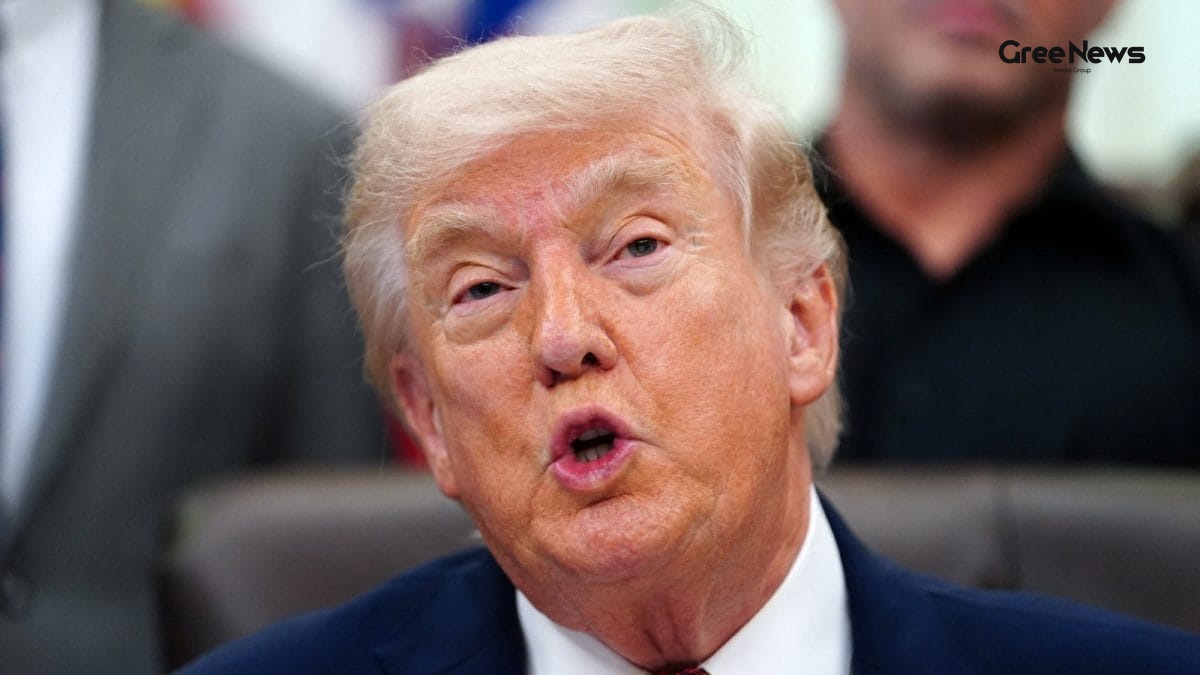
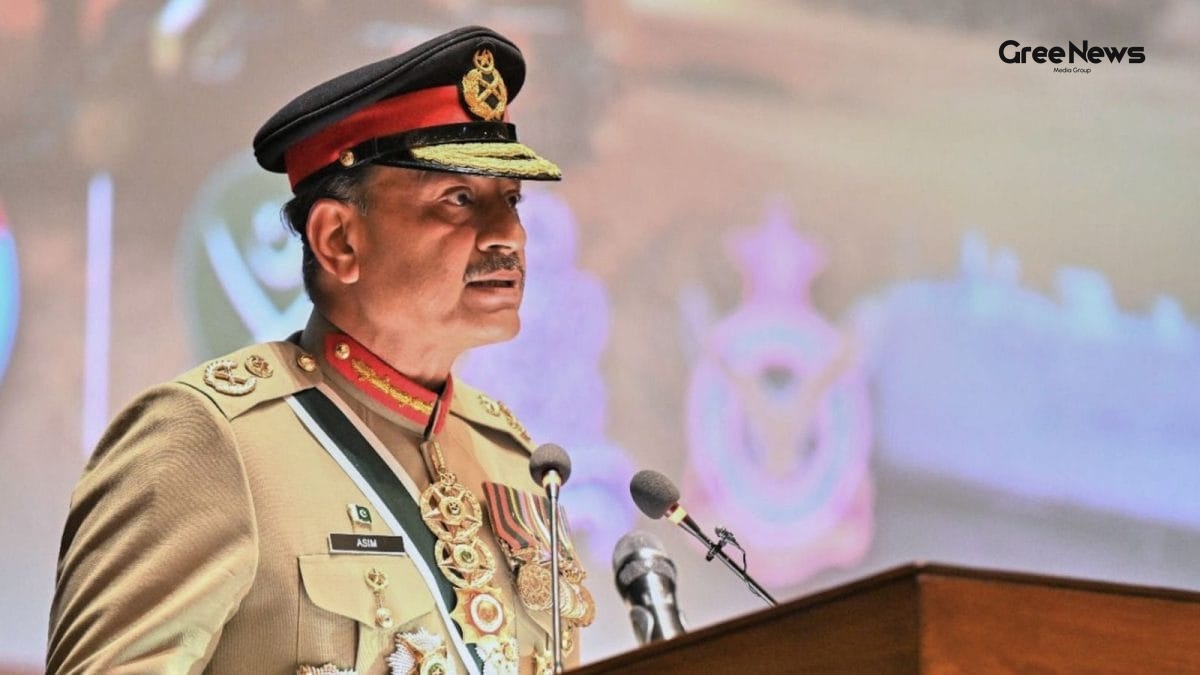
Honestly, when I first saw the headline about Donald Trump extending the ceasefire with Iran, I thought it was another piece of viral news that would disappear in a day. But then I remembered the calls from Pakistan’s top brass Asim Munir and Shehbaz Sharif urging Washington to hold back. It felt like those late‑night conversations we have at home, where a neighbour’s story suddenly becomes the talk of the whole lane. The President said the decision was based on the fact that the Government of Iran is "seriously fractured," and that they wanted to give Tehran a chance to put together a unified proposal. That bit of reasoning actually made sense when you think about the politics on the ground.
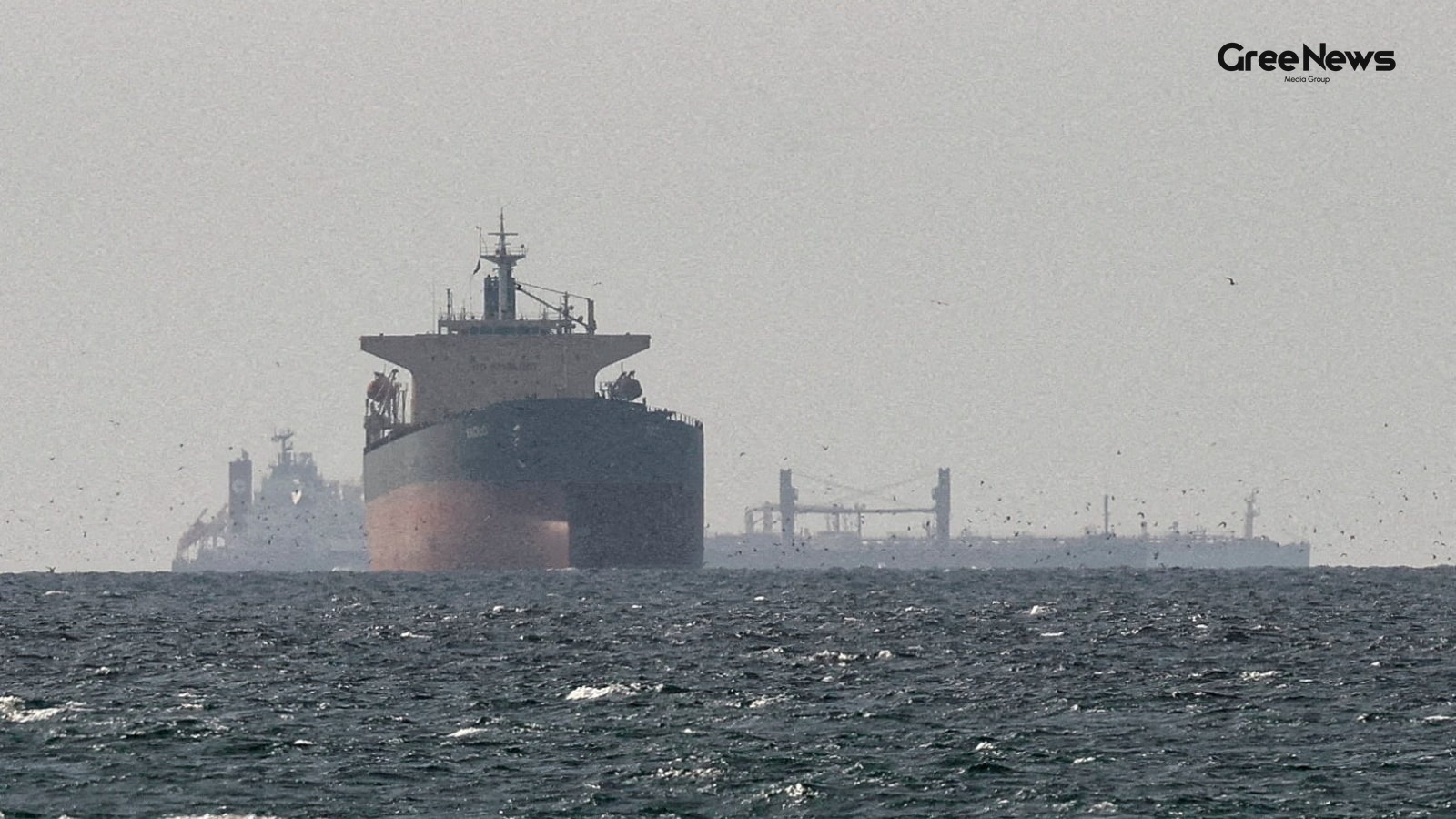
In most cases, a ceasefire is just a pause button, but here the pause came with a twist the naval blockade stays. It reminded me of when the local police set up roadblocks during a protest; they’re there to control, not necessarily to stop traffic forever. So, while the ceasefire may ease immediate hostilities, the blockade keeps the pressure on Iran, especially around the crucial Strait of Hormuz.
Why the blockade matters a simple look for everyday readers
Picture this: you’re on a crowded Mumbai local, and suddenly the train stops because there’s a signal problem. Everyone gets impatient, the air gets tense, and you wonder when you’ll reach your destination. That’s pretty much what the blockade is doing to Iran’s trade routes. The Hormuz Strait is like the lifeline of global oil shipments; when ships can’t pass freely, the whole chain feels the pinch. Traders in Ahmedabad or Bangalore start seeing higher fuel prices, and it trickles down to the price of a cup of chai at the roadside stall.
What happened next is interesting the United States reportedly seized an Iranian cargo ship, accusing it of breaching the blockade. That move sparked a fresh wave of warnings from Tehran, making the whole situation even more delicate. It’s the kind of event that turns into trending news India within hours, because everybody from a Delhi newspaper editor to a college student scrolling through Twitter feels the ripple.
Pakistan’s diplomatic push the voice you hear on the streets
Now, let’s talk about Pakistan’s role. When Asim Munir and Shehbaz Sharif asked the US to hold off on further military action, it sounded like a plea you’d hear in a family gathering “let’s give them some space, maybe they’ll sort it out.” They weren’t just asking for a polite pause; they were urging Washington to let the diplomatic process breathe. In many Indian households, you’ll hear older relatives saying, "Patience is a virtue," especially when a big issue is at stake.
Many people were surprised by this because Pakistan usually keeps a low profile in such high‑stakes negotiations. However, the country’s leadership realized that any quick military move could destabilise the already fragile region, and that could affect everything from trade routes to the safety of its own borders. So, the call for diplomacy was not just a polite request it was a strategic move, something you’d compare to a cricket captain reshuffling the field to break a partnership.
Uncertainty around the Islamabad talks what does it mean for us?
Talks expected in Islamabad have been hanging in the balance, and that uncertainty feels a lot like waiting for the bus during rush hour you never know if it’s going to arrive on time or if you’ll have to walk the rest of the way. Tehran hasn’t yet given a definitive response, citing “contradictory signals” from the United States. In most cases, those mixed messages make it harder for negotiators to draft a solid proposal.
When I talk to my aunt who works in a logistics firm, she mentions that any delay in the Hormuz Strait can affect cargo schedules, which in turn could impact shipments to ports like Kolkata or Chennai. So, the uncertainty isn’t just a political drama; it can affect real goods, real jobs, and ultimately, the pockets of everyday Indians.
What Trump said a glimpse into the official stance
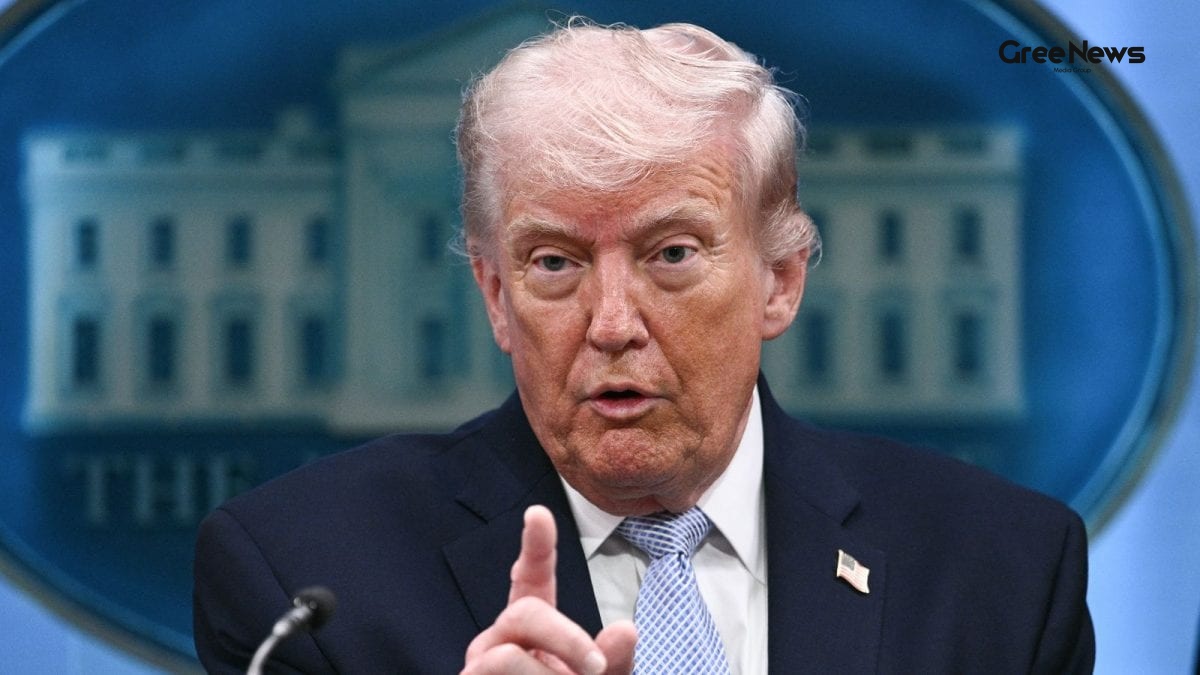
Trump’s statement was clear: while the ceasefire gets an extension, the blockade remains. He added that US forces would stay ready, meaning the military option is still on the table. The language was a mix of reassurance and warning “we’re giving you a chance, but don’t think we’re stepping back completely.” It reminded me of how Indian politicians sometimes say, “we’re open to dialogue, but we will protect our interests,” especially during election rallies.
He also mentioned that the ceasefire would last only until Iran presents a proposal and discussions wrap up “one way or the other.” That line felt like a countdown timer you see on a cooking show you’re watching, waiting, and hoping it doesn’t blow over.
How the situation is shaping up a personal reflection
Honestly, after reading all these updates, I went back to my favourite news app to see the latest commentary. The headlines are full of words like “breaking news” and “trending news India,” and every commentator seems to have a different take. Some say the US is playing a strong hand, others feel Pakistan’s push for diplomacy could be the real game‑changer. The mix of opinions reminded me of a family dinner where everyone has a story to tell about the same event.
What caught people’s attention most was the seizure of the Iranian cargo ship. It’s a classic example of a single incident escalating a larger conflict, much like a small spark can cause a massive fire in a crowded bazaar. The reaction from Tehran was swift, threatening retaliation, which only adds to the tension.
Potential outcomes why we should care
If the talks finally produce a unified proposal from Iran, we could see the blockade lifted, which would calm the oil markets and lower fuel prices something every Indian household can feel. On the other hand, if the diplomatic path stalls, the continuation of the blockade and the threat of military action could keep the region on edge, affecting trade, tourism, and even the daily news cycle that we all follow.
Many observers on social media are already betting on both scenarios, turning the whole episode into a piece of viral news that spreads faster than a new Bollywood trailer. The next few weeks will decide whether this ceasefire remains just a pause or becomes a stepping stone to a more stable regional order.
Final thoughts why staying informed matters
For me, following this story is more than just keeping up with the latest news India; it’s about understanding how global decisions seep into our everyday lives. Whether it’s the price of petrol, the safety of our shipping routes, or the political discourse on every television channel, this ceasefire and blockade saga touches everything.
So, the next time you hear a friend talk about a “breaking news” alert on their phone, remember there’s often a deeper web of diplomacy and strategy behind it. And who knows? Maybe the next big story will be about how a region finally finds common ground, turning today’s tensions into tomorrow’s peace.