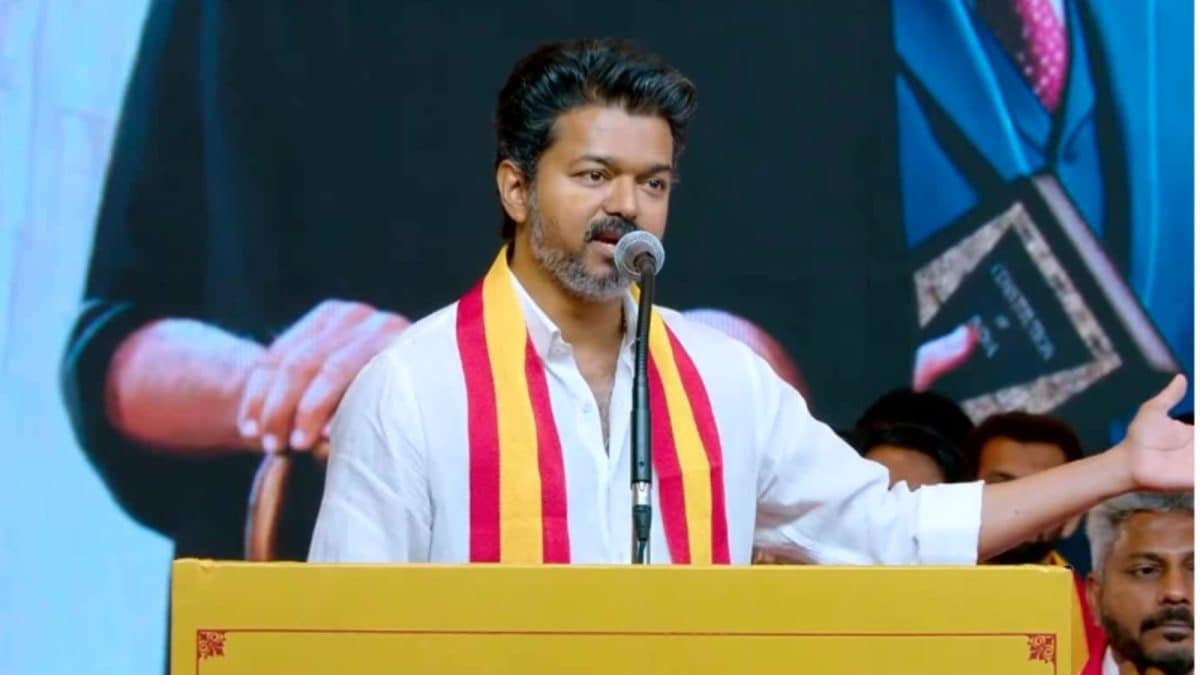
From the Big Screen to the Election Form
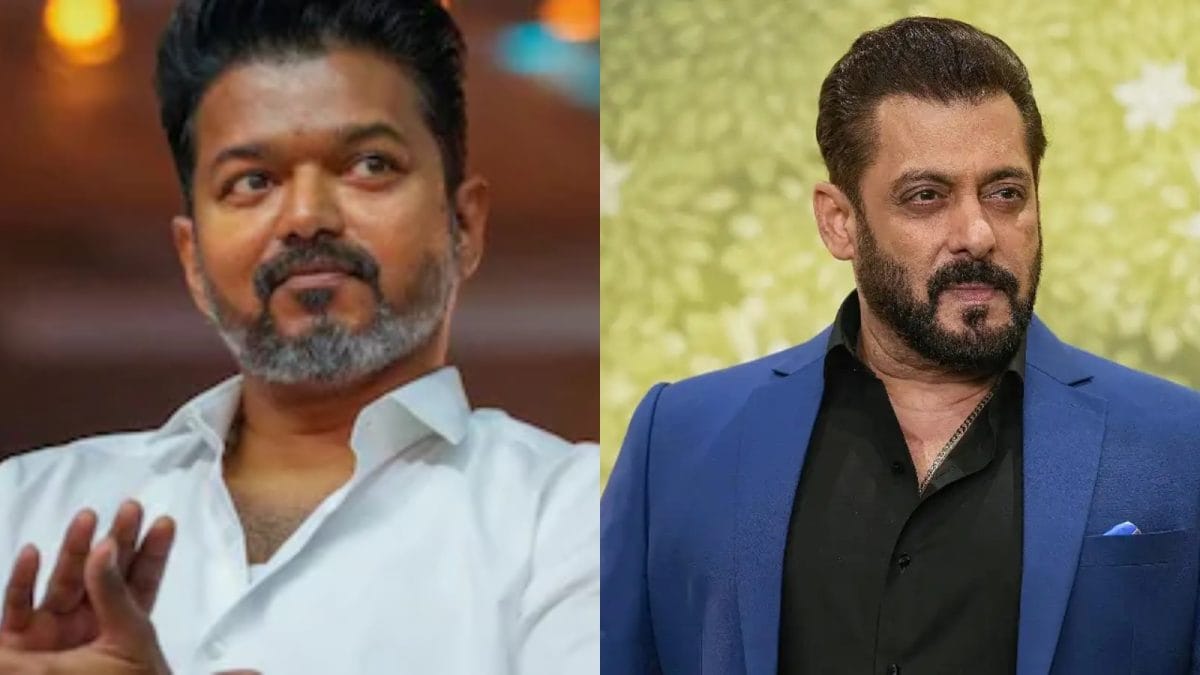
So, I was scrolling through the news the other day, and there it was – Vijay, the superstar we all grew up watching, has actually quit acting. Not just for a break, mind you, but to dive straight into Tamil Nadu politics. It feels a bit like when a cricket legend decides to become a coach – you know it’s a big shift, and everyone’s bound to have an opinion.
What really caught my eye, though, was the affidavit he filed for the 2026 elections. It’s not every day that a movie icon reveals his personal wealth publicly, but there it was – a whopping ₹404 crore in assets. That number alone could make anyone sit up straight and wonder what’s inside that huge figure.
Now, let me break it down in a way that feels like a chat over chai. The affidavit basically says that Vijay’s wealth comes from various sources – real‑estate, a handful of cars and some family‑linked financial holdings. It’s a bit like when your uncle shows you his bank statements and points out the house, the two‑wheelers, and that little business he started years ago. All of it adds up to a massive total, and Vijay’s case is no different, just on a much larger scale.
Why the Numbers Matter
In most Indian states, when a candidate files their nomination papers, they have to list every asset they own. The idea is simple – transparency. Voters get to see what kind of financial background a person bringing themselves to public office has. For a film star turned politician, the numbers are especially interesting because they show how far a cinematic career can translate into material wealth.
Think about it – Vijay has been in the industry for over two decades. He’s acted in dozens of movies, many of which have smashed box‑office records. The kind of money that flows from a blockbuster in Chennai can be massive, but it’s not just the film’s revenue – there are brand endorsements, satellite rights, distribution deals, and the occasional appearance in reality shows. All these add layers to his income, and that’s reflected in his asset declaration.
Honestly, when you see a total like ₹404 crore, you start thinking about the kinds of properties that could be involved. In Tamil Nadu, prime real‑estate in Chennai or the outskirts of the city can easily run into crores. And then there are the traditional family homes in places like Coimbatore or Madurai that have been inherited over generations. These are the sort of things that most of us can only imagine owning.
One thing that struck me is how the affidavit also mentions family financial ties. It’s a common practice in Indian declarations – you list not only what you personally own, but also what is linked to close relatives. That can include joint bank accounts, trust funds, or even stakes in a family business. In Vijay’s case, it suggests that his family has a share in the wealth he’s built, which is typical of many Indian households where money circulates within the family circle.
The Car Collection – A Few Wheels, Many Stories
Now, let’s talk about the cars. While the affidavit doesn’t spell out the exact models, it does say “several automobiles.” In my neighbourhood, when someone mentions they own more than one car, there’s always a chorus of questions – is it a sedan, an SUV, a hatchback? For a star of Vijay’s stature, it’s safe to guess that the vehicles are high‑end, maybe something you’d see on the streets of high‑society Chennai or during a film shoot in Ooty.
Imagine a sleek black sedan gliding through the lanes of Besant Nagar, or an SUV parked outside a posh apartment in Adyar. Those images pop up in my mind whenever I think of a movie star’s daily commute. It’s not just about luxury; it’s also about practicality – a big car can handle a crew, equipment, and sometimes even a few fans who happen to spot the star on the road.
In India, cars are often a status symbol. They tell a story about the owner’s taste, their success, and sometimes even their personality. A person who loves speed might opt for a sports car, while a family‑oriented individual might go for a larger, more comfortable vehicle. If Vijay has a few different models, it’s probably because he needs different wheels for different occasions – one for a casual drive, another for official or political events, and perhaps a third that’s just for fun during his downtime.
This mix of vehicles, combined with the overall asset figure, paints a picture of a life that’s far from ordinary. It’s a lifestyle that many of us admire from afar, and now, he’s stepping into a world where he’ll be serving the public – a transition that naturally brings more scrutiny to every aspect of his life.
Properties – Homes, Lands and More
Moving on to real‑estate, the affidavit mentions various properties. In Tamil Nadu, property can range from high‑rise apartments in bustling city centers to spacious bungalows in the suburbs, to farmland on the outskirts. For someone like Vijay, each type of property could have a purpose – a city‑based home for quick access to studios, a quieter residence for family, and perhaps some land that acts as an investment.
What’s fascinating is how property ownership often intertwines with cultural expectations. In many Indian families, owning a house is a sign of stability, a cornerstone for future generations. It’s not just about the monetary value; it’s about a place where family gatherings happen during festivals like Pongal or Diwali, where memories are made.
Given Vijay’s public profile, it’s likely that some of his properties are fairly well‑known to fans. A house in a well‑connected area can become a kind of unofficial tourist spot – people try to catch a glimpse, local vendors set up stalls, and sometimes even news channels do a quick visit. In that sense, a star’s property can be both a private sanctuary and a public curiosity.
The size of his declared assets suggests that these properties could command significant market values. In a city like Chennai, even a modestly sized flat can be worth several crores, and a large bungalow or commercial plot could push the numbers even higher. That aligns with the overall ₹404 crore figure disclosed in the affidavit.
Family Financial Connections – The Hidden Threads
One line in the affidavit points to “family financial ties.” This isn’t just a legal requirement; it’s a glimpse into how Indian families often operate. Money circulates among siblings, parents, and sometimes cousins, especially when one member earns significantly more. It could be in the form of joint investments, shared business ventures, or family trusts that hold assets on behalf of multiple members.
Think of it this way: if you own a shop in your hometown and your brother runs a transport business, you might both invest in a piece of land together. That land then appears on both of your asset statements. In Vijay’s case, the family ties could involve any number of such shared ventures – maybe a film production house, a chain of stores, or even a charity foundation.
These connections also mean that the financial health of the family isn’t solely dependent on one individual. It’s a network, and when Vijay decides to jump into politics, it’s likely that his family’s resources could help support his campaign, just as his fame supports their business interests. It’s a two‑way street that’s common in many Indian contexts.
For us ordinary folks, the idea of a family pool of assets might seem distant, but it’s actually pretty relatable. Many households have joint savings accounts, a family-owned vehicle, or a property that’s co‑owned. Vijay’s situation just magnifies that notion on a grander scale.
Why Vijay’s Political Leap Is a Big Deal
Now, let’s step back and look at the bigger picture. Vijay leaving films for politics isn’t just a career change; it’s a cultural moment. In Tamil Nadu, film stars have historically held a special place in the political landscape. Legends like M.G. Ramachandran and J. Jayalalithaa turned their on‑screen charisma into mass political movements. Vijay’s entry feels like another chapter in that legacy.
But unlike the past, today’s media environment is more fragmented. Social media, 24‑hour news cycles and a savvy electorate mean that a politician’s personal wealth is under closer scrutiny than ever before. That’s why the affidavit’s details matter. Voters want to know whether a candidate’s wealth will influence their governance, or if it simply reflects a successful career.
On a personal note, I’ve watched many Vijay movies growing up. His characters often portray the under‑dog fighting for justice – a narrative that resonates with a lot of us. Now, seeing him want to take that fight to the legislative arena, it feels like he’s trying to live up to his on‑screen ideals.
Nonetheless, the transition isn’t without challenges. Going from scripted dialogues to real‑world debates, from choreographed action to policy‑making, requires a different skill set. People will watch closely – not just his campaign promises, but also how he utilizes the wealth he’s declared. Do those assets become a tool for public service, or do they raise questions about equity?
Public Reaction – Fans, Critics and the Common Man
From what I’ve seen on discussion forums and in coffee‑shop conversations, fans are split. Some cheer loudly, saying “Vijay will bring fresh energy, honesty and a new perspective.” Others worry about a movie star stepping into a field that demands deep policy knowledge and political acumen.
The media has also been busy. The headlines are full of phrases like “Vijay’s ₹404 crore wealth: a boon or a bane for Tamil Nadu politics?” Analysts try to weigh his financial clout against the expectations of a public servant. In many ways, this mirrors the debates we have when a business tycoon decides to run for office – the money can amplify reach, but it also brings accountability.
What I find interesting is how ordinary citizens relate to the numbers. A shopkeeper in a small town might think, “If a movie star has that much, maybe I can aim higher for my own future.” At the same time, they may wonder whether such massive wealth could create an uneven playing field for other candidates who rely on grassroots support.
It’s a conversation that’s been happening across India for years, only now with a new face. The discussions are lively, filled with anecdotes, jokes, and a genuine curiosity about what’s next for Vijay and for Tamil Nadu’s political scene.
What the Future Holds – A Few Speculations
Looking ahead, a few things seem likely. Firstly, Vijay’s campaign will probably leverage his existing fan base. Social media posts, fan rallies and movie‑style promotional tactics could become a part of his political outreach. It’s a blend of entertainment and politics that’s almost unique to South India.
Secondly, his declared assets mean he can fund a substantial campaign without depending solely on party coffers. That could allow for more flexibility – hiring experienced campaign managers, setting up efficient communication channels, and perhaps even funding development projects in his constituency if he wins.
Thirdly, his family’s financial connections might see more visibility. If he takes up any charitable initiatives, they could be linked to family‑run trusts or foundations, creating a synergy between his personal brand and community service.
And finally, there’s the question of governance style. Will Vijay adopt a charismatic, populist approach that mirrors his on‑screen roles, or will he lean towards a more measured, policy‑driven style? Only time will tell, but with his background, I suspect there will be a blend of both – a genuine desire to connect with people, paired with the strategic insights gathered from managing a large fortune.
Whatever the outcome, one thing is clear: Vijay’s journey from a cinematic hero to a political figure is already shaping conversations across the state. It’s a story that is still unfolding, and as someone who grew up watching his movies, I find it both exciting and a bit nerve‑wracking to see how his real‑life narrative will develop.