Campaign Fever Hits Full Throttle
Honestly, the atmosphere in West Bengal these days feels a bit like watching a cricket final the tension, the chants, the constant back‑and‑forth between two heavyweight teams. On one side, Prime Minister Narendra Modi along with Union Home Minister Amit Shah and BJP National President JP Nadda have been making the rounds, holding four major rallies each, trying to turn the state into a showcase of the BJP’s national vision. On the other side, TMC leader and Bengal Chief Minister Mamata Banerjee hasn’t been idle either; she has organised several high‑energy gatherings across districts, urging her supporters to stay focused on the welfare schemes that have defined her tenure.
What’s fascinating is that these rallies are not just about speeches; they are packed with symbolic gestures from flag‑waving to cultural performances all aimed at resonating with a population that’s deeply rooted in local identity yet increasingly aware of national narratives. If you’re following the latest news India, you’ll see that every minute of air time is being claimed by either Prime Minister Narendra Modi or TMC leader and Bengal Chief Minister Mamata Banerjee, making the election campaign feel like a duel of megaphones.
From Governance to Identity Politics A Clear Shift
Back in the day, West Bengal campaigns revolved around jobs, unemployment and corruption scandals. This time, the script has changed dramatically. The issues that dominate the rallies now include infiltration along the border, language preservation, and the ever‑present debate on citizenship. It’s as if the political theatre has moved from the economic stage to an identity‑driven arena.
Prime Minister Narendra Modi recently seized on the defeat of the Women Reservation Bill in Parliament to launch a sharp attack on TMC leader and Bengal Chief Minister Mamata Banerjee, branding her as "anti‑women". The comment sparked a flurry of responses on social media, turning into what many would call viral news. In most cases, such personal jabs distract from policy discussions, but they also serve to stir emotions a tactic that is clearly working in the current climate.
Meanwhile, TMC leader and Bengal Chief Minister Mamata Banerjee has countered by doubling down on Bengali pride she’s been highlighting the state’s literary heritage, its sweet delicacies, and the unique dialects that set West Bengal apart from the rest of the country. This narrative is striking a chord, especially among the older generation who see identity as a shield against what they perceive as "outsider" interference.
Voter‑Roll Overhaul Numbers That Speak Volumes
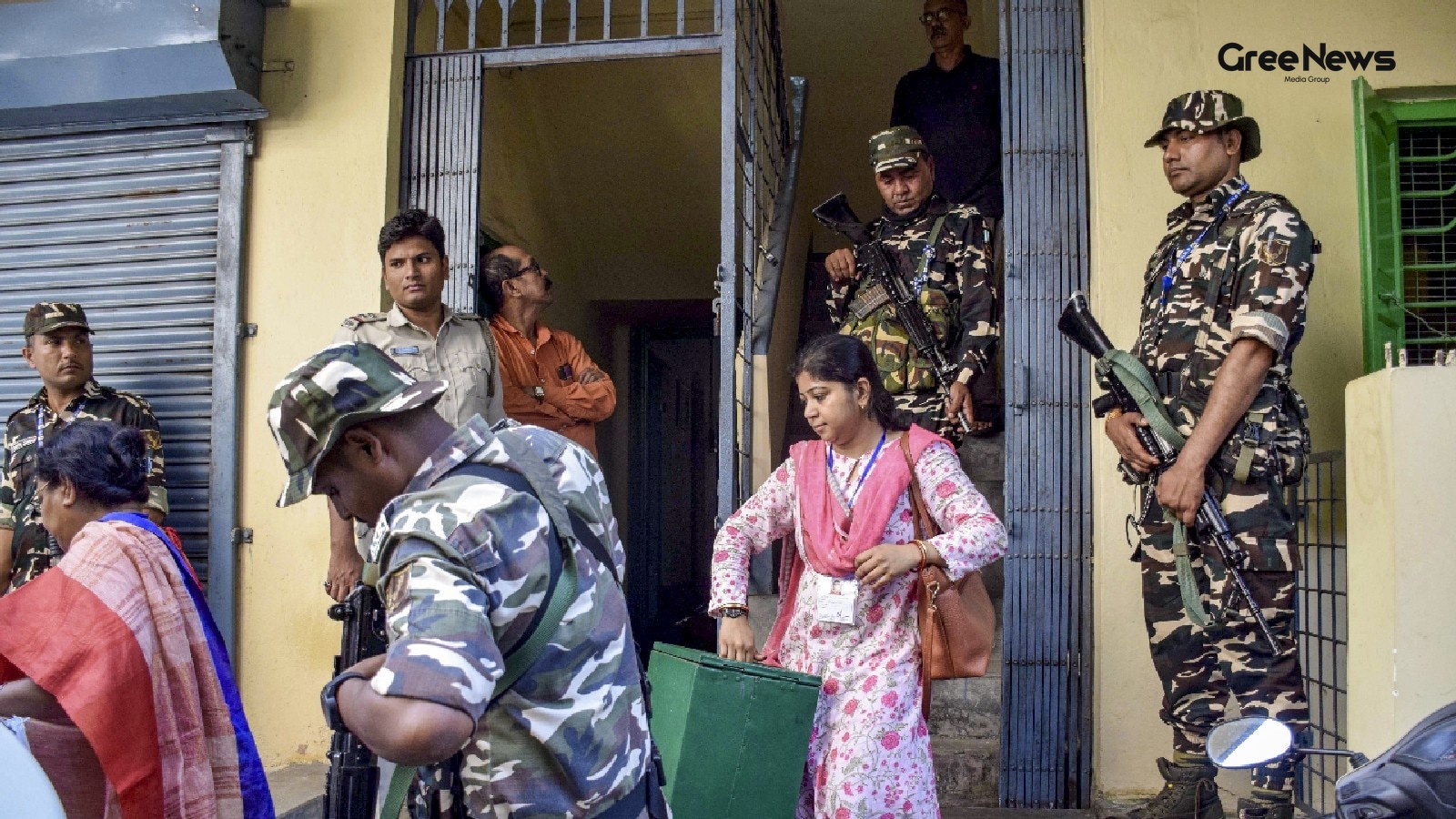
One of the most talked‑about aspects of this election cycle is the massive Special Intensive Revision (SIR) exercise that pruned the electoral rolls. Nearly 91 lakh voters were taken off the list, raising a chorus of concerns about disenfranchisement. At the same time, about 7 lakh fresh names were added just before the first phase, bringing fresh hope to many who thought they had been left out.
To break it down, of the new entries, roughly 3.22 lakh will get to cast their vote in the first phase, while the remaining 3.88 lakh will vote in the second and final phase. Senior officials from the poll body told the press that this revision was aimed at cleaning up duplicate or outdated entries, but critics argue that the timing could influence the outcome especially when the stakes are as high as they are now.
For anyone tracking breaking news, these figures are not just statistics; they are the pulse of the electorate. The fact that such a huge number of names were deleted and added in quick succession adds another layer of complexity to an already intense campaign.
Who’s Actually Competing? The TMC vs BJP Showdown
If you strip away the smaller parties, the West Bengal election essentially boils down to a direct contest between TMC leader and Bengal Chief Minister Mamata Banerjee’s regional force and the national juggernaut of Prime Minister Narendra Modi’s BJP. The Left and Congress are still in the race, but in most reports they appear as marginal players, akin to supporting actors in a blockbuster drama.
This binary setup is reshaping campaign strategies. For instance, Prime Minister Narendra Modi’s rallies are saturated with messages on law and order, anti‑corruption, illegal immigration, and specific welfare promises like cash assistance for women. These points are tailored to both urban voters worried about safety and rural voters who rely heavily on cash‑handouts.
On the flip side, TMC leader and Bengal Chief Minister Mamata Banerjee’s rallies focus heavily on the continuity of her welfare schemes such as the free bus passes for students and the communal kitchen initiatives while also reinforcing regional pride and Bengali identity. In a sense, the narrative is a direct rebuttal to the BJP’s "outsider" label, painting the party as an intruder trying to rewrite West Bengal’s story.
Competing Narratives What Each Side Is Promising
BJP Campaign Focus:
- Law & order promising tougher action against criminal elements.
- Anti‑corruption promising a clean‑up drive in state administration.
- Illegal immigration and citizenship highlighting border security and the need for a clear citizenship process.
- Welfare promises especially cash support for women, which is being framed as an empowerment tool.
TMC Campaign Focus:
- Continuation of existing welfare schemes stressing that current programmes will not be altered.
- Regional pride and Bengali identity celebrating local culture, language, and heritage.
- Counter‑narrative to the "outsider" tag positioning the party as the true guardian of West Bengal’s interests.
The clash of these promises is what makes the election a gripping watch for anyone interested in viral news or trending news India. Voters are not just choosing between policies; they are deciding which story best reflects their aspirations.
On‑Ground Reactions From Tea Stalls to College Campuses
Walking through the streets of Kolkata, you’ll hear a blend of dialects and debates. A tea stall owner near a major crossing told me he’s been hearing names like Prime Minister Narendra Modi and TMC leader and Bengal Chief Minister Mamata Banerjee being shouted out louder than ever. He added that his customers are now more concerned about whether their identity will be respected rather than just the price of tea.
Students at a university in Siliguri shared that the debate over the Women Reservation Bill has ignited campus protests, with some groups waving placards demanding gender equality while others brandish posters of TMC leader and Bengal Chief Minister Mamata Banerjee, calling her a champion for the state’s women. The campus vibe mirrors the larger state narrative a blend of hope, fear, and a quest for representation.
Even in remote villages, the impact of the revised voter rolls is being felt. A farmer from a small hamlet recounted that his elder brother’s name was removed during the SIR exercise, causing a lot of agitation. He hopes the fresh entries will balance out the loss, pointing out that every vote counts when the entire state is watching the trending news India closely.
What This Means for the Rest of India
While West Bengal is a single state, its elections have always sent ripples across the national political landscape. Analysts say that the outcome could shape the narrative for the next general election, especially because the BJP’s march into eastern India has been a strategic goal for Prime Minister Narendra Modi.
On the other hand, TMC leader and Bengal Chief Minister Mamata Banerjee’s ability to retain power would reinforce the idea that regional parties can still dominate state politics despite national pressures. In most cases, the story is less about individual leaders and more about the question of whether the Indian electorate is leaning towards a centralized national vision or a federated model that respects regional identities.
For readers following India updates, the answer lies in the vote‑counting day, which will reveal whether the electorate favours the law‑and‑order, anti‑immigration narrative of the BJP or the culturally rooted, welfare‑centric story of TMC.
Looking Ahead The Countdown to Counting
As the two phases wrap up and the ballots are sent for counting, the atmosphere is charged with anticipation. People are glued to their phones, waiting for breaking news updates, and many have set alarms to catch the moment the results are announced. The political circus is not just about who wins, but also about the kind of discourse that will dominate India’s public sphere in the months to come.
One thing is clear: the West Bengal election saga is more than a state affair. It’s a piece of the larger puzzle of how India’s democracy evolves, how identity and development intersect, and how leaders like Prime Minister Narendra Modi and TMC leader and Bengal Chief Minister Mamata Banerjee shape the future. Keep an eye on the latest news India, because this story is far from over what happens next could set the tone for the entire country’s political rhythm.