Madhuri Misal alleges that toilets at a Pune MNC are being used for religious rituals
Honestly, when I first heard about the whole thing, I thought it sounded a bit like a rumor that might have started over a cup of chai at the office canteen. But then, the news started popping up on the feed, and you know, the more I read, the more it seemed like something serious that needed a proper look.
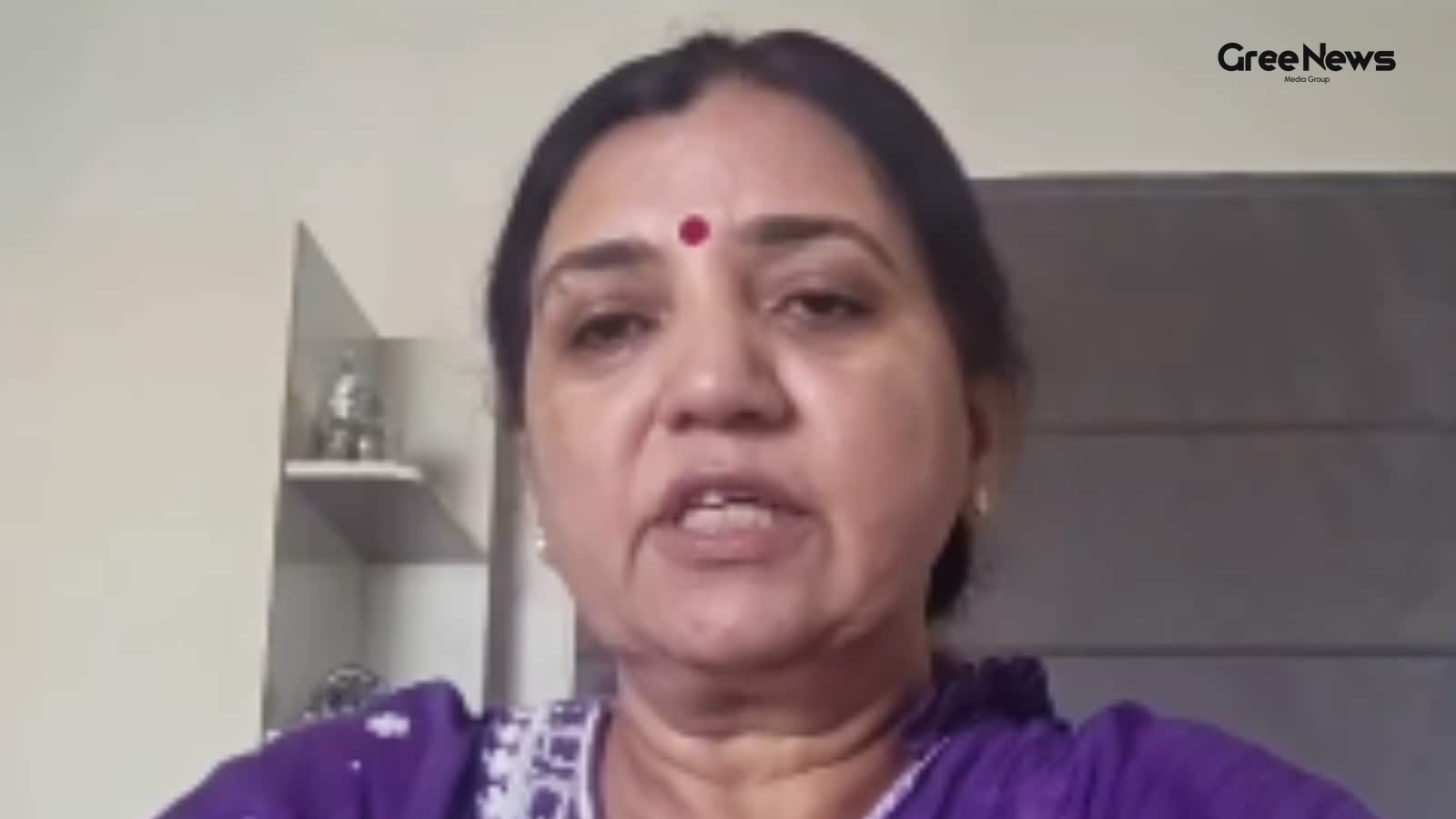
According to a letter that Madhuri Misal, the Maharashtra minister, sent to the Pune Police Commissioner, she says that there have been complaints about the male restrooms at a well‑known multinational company in Hinjewadi. The allegation is that a specific group of people is regularly using these facilities for religious rituals, and during those times, other employees are not allowed to enter.
That line in the letter “According to information received by me through various sources, certain complaints have been received regarding the usage of male resting rooms at the office of a renowned multinational company. It is alleged that a specific group regularly utilises these rooms for religious rituals, and it has also come to light that access for other employees is restricted during such times.” read like something out of a courtroom drama, but it’s actually a part of the official correspondence.
The minister doesn’t just stop at pointing out the alleged misuse. She’s also worried that this practice could be hurting the “equitable utilisation of workplace facilities, employees’ rights, and organisational discipline.” Basically, she’s saying that if some people are blocking off a restroom for a personal prayer session, it’s not just a minor inconvenience it could be a bigger issue of fairness and respect at work.
Now, what happened next is interesting. Madhuri Misal specifically asked that a voluntary and confidential counselling or dialogue be arranged with the female staff of the company. The aim? To find out whether any of them feel any pressure, harassment, or any kind of inconvenience because of these alleged rituals. She stresses that the matter is very sensitive and needs to be taken seriously, calling for immediate action.
While the letter mentions that the information hasn’t been officially verified yet, the minister says it’s still important to “ascertain its veracity.” In other words, she wants an investigation before any conclusions are drawn. That’s why the whole thing quickly turned into trending news India, with many people sharing their thoughts on social media, questioning what should be done in such a scenario.
Why this story caught people’s attention
Here’s the thing India is a country where religion plays a huge role in daily life, but workplaces, especially multinational corporations, usually try to keep things secular to avoid any conflict. So, when a claim like this surfaces, it naturally sparks curiosity and concern.
For many of us, especially those who work in tech parks around Pune, the idea that a restroom could be turned into a mini‑temple feels a bit bizarre. It also raises a question that many of us might not think about often: How do we balance personal faith with the collective rights of colleagues?
In most cases, companies have policies that allow prayer rooms or dedicated spaces for worship. But using a restroom which is meant for a very specific function for rituals can cross a line for some employees. One of my friends who works in a similar MNC shared that she once saw a small gathering for a quick prayer in a conference room, and that was acceptable because it didn’t disturb anyone. But a restroom? That’s a different ball game.
And then there’s the issue of gender. Madhuri Misal’s call for confidential talks with female employees hints that there might be a possibility of discomfort or even intimidation. In many workplaces, the presence of a group occupying a common facility could make some feel left out or forced to adjust their schedule.
This is why the story quickly went viral, becoming part of the breaking news that we see on various portals. It’s not just about a single incident it’s about what it says regarding workplace culture, respect, and how we manage religious diversity in a corporate setting.
What does an inquiry actually involve?
When Madhuri Misal demanded an inquiry, she wasn’t just talking about sending a few officers to knock on the door. In Indian administrative parlance, an inquiry can mean setting up a small task force, talking to employees, reviewing CCTV footage (if any), and checking the company’s internal policies.
Basically, the police and possibly the labour department would start a fact‑finding mission. They’d interview the staff especially the women to see if anyone feels pressured to join or stay away from those rituals. They might also talk to the group that’s allegedly conducting the rituals to understand their perspective.
Most importantly, an inquiry would look into whether any law has been broken. In India, there are provisions that protect employees from discrimination and harassment, and also laws that keep public spaces secular. It’s a delicate balance, and that’s why the minister insists on “voluntary and confidential counselling/dialogue”.
What’s more, it’s not just about the immediate inconvenience. If the allegations turn out to be true, it could set a precedent for many other offices across the country. Imagine a scenario where a company in Bengaluru or Hyderabad faces a similar complaint then the ripple effect could be huge, making it a piece of viral news that informs future workplace policies.
My take why this matters to all of us
Honestly, I think the whole episode is a reminder that no matter how modern our office spaces become, the underlying social fabric is still very Indian. We love our rituals, we love our chai, we love to talk politics over lunch. But when those personal practices start spilling into shared spaces, we need to step back and ask: Is everyone comfortable?
In my own experience, I’ve seen small groups gather for a quick ‘Namaste’ before a meeting; it never caused a problem because it was brief and everyone was okay with it. The difference here is that the alleged religious use is happening in a restroom and seemingly restricting access for others. That’s where the line gets blurry.
Many people were surprised by this claim. Some argued that the minister is over‑reacting, while others felt it’s a necessary step to protect employee rights. And you know what? Both sides have a point.
From the workers’ side, any restriction on a basic facility can feel like a violation of their rights. From the perspective of those who might be trying to practice their faith, they might see it as a harmless tradition. The key is finding a middle ground perhaps by allocating a proper prayer space instead of using the restroom.
What I love about this story is how it’s sparked a wider conversation across the country. In India updates and news portals, you’ll see column after column debating the right approach, and it’s even making its way into office training modules about diversity and inclusion. It’s like a case study that will be discussed for years.
How the situation could unfold
If the inquiry finds that the restroom is indeed being misused for rituals, the most likely outcomes could be a set of recommendations: first, the company might be asked to designate a proper worship area; second, they may have to ensure that no employee feels forced or excluded; third, a formal policy might be drafted to prevent similar issues in the future.
On the other hand, if the allegations turn out to be unverified or based on a misunderstanding, the focus might shift to communication clearing up any confusion and reassuring staff that the workplace remains neutral.
Either way, the whole episode is bound to attract more media coverage, especially as it aligns with the latest news India about workplace rights and secularism. That’s why it’s probably going to stay in the headlines for a while, feeding into the trending news India and keeping the public engaged.
And who knows? Maybe this will inspire other corporates to revisit their own policies, just to be safe. After all, a small incident in Hinjewadi could set a benchmark for offices from Mumbai to Kolkata, making sure that every employee regardless of gender or belief feels respected.
Conclusion a lesson for every workplace
All in all, the Madhuri Misal episode is more than just a local complaint. It’s a snapshot of how modern India is grappling with age‑old traditions in a rapidly changing work environment. It shows that even something as simple as a restroom can become a focal point for larger debates around rights, inclusion, and the role of religion at work.
For anyone reading this as part of the breaking news feed, the takeaway is simple: always ensure that shared spaces stay inclusive, that any religious practice has a designated spot, and that employees feel safe to voice concerns. If we keep these basics in mind, we can avoid many misunderstandings and keep the workplace a comfortable zone for all.
So, next time you walk into a corporate building in Pune or any other Indian city, remember this story it might just remind you to check whether the facilities you use are truly meant for everyone.