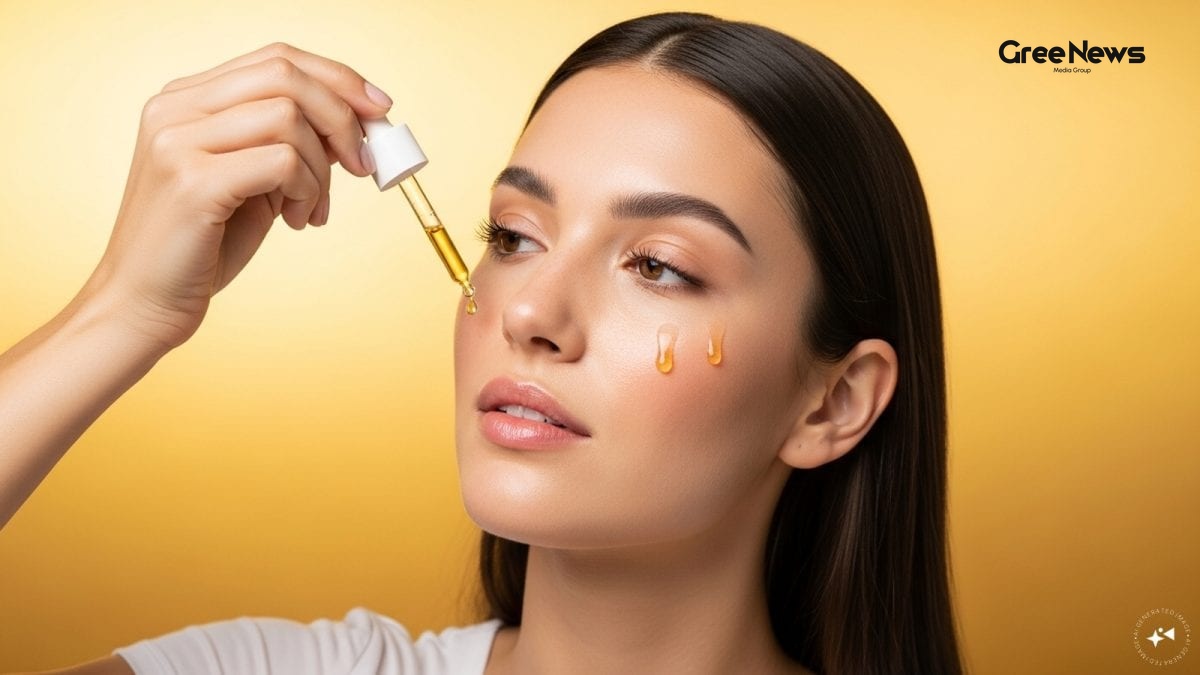
My first encounter with skin flooding a personal take
So, there I was scrolling through my Instagram feed, and you know how quick the viral news spreads in India it felt like everyone was either posting a selfie with a dewy glow or sharing a short reel titled "my skin flooding routine". I thought, why not give it a try? After all, the latest news India on beauty was all about this seemingly simple hack, and I was curious if it would actually work for my combination skin.
Honestly, the first thing that caught my attention was the idea of layering hyaluronic acid on damp skin. It sounded scientific, but also pretty straightforward. I grabbed the hyaluronic acid serum that my cousin swore by, splashed my face with lukewarm water after my morning shower, and applied the serum while my skin was still a bit wet. Then came the second step a richer moisturiser to lock the moisture in. The whole process took me less than five minutes, which is a plus for any busy Indian trying to squeeze a skincare routine between dropping the kids at school and catching the local train.
What happened next is interesting: after a couple of days, my skin started feeling plumper, and the usual tightness I felt after a hot summer day seemed to disappear. I felt a gentle glow that made me think, "hey, maybe there’s something to this". But before I got too excited, I remembered that every skincare trend, even the ones that become breaking news for a while, needs a reality check. So I decided to dig a bit deeper.
What exactly is skin flooding?
In simple words, skin flooding is the practice of applying humectant‑rich products, most commonly hyaluronic acid, on damp skin and then layering additional hydrating and sealing formulations. The main goal is to maximise moisture retention by first drawing water into the skin and then preventing that water from evaporating. Dr Sonia Tekchandani, Founder & Medical Director of TenderSkin International, explains that when done correctly, this technique can enhance skin hydration, improve barrier function, and impart a natural glow.
Now, you might think that this is a completely new concept, but the idea of using humectants on wet skin has been around in dermatology for years. What changed is the way social media turned it into a trending news India story, with influencers sharing their step‑by‑step videos and brand promos. The hype is real, but the science behind it is fairly sound provided you respect a few important rules.
How the technique works the science in everyday language
Think of hyaluronic acid as a sponge. When your skin is damp, the sponge can soak up more water, and that water stays inside the skin layers for longer. That’s why applying a humectant on wet skin is more efficient than on dry skin the product can bind water more effectively.
However, the sponge analogy only works if you seal the sponge afterwards. This is where the moisturiser comes in. An emollient or occlusive think of a thick cream or a light oil creates a barrier on top of the skin that locks the moisture in. Without that final seal, especially in a dry environment like an air‑conditioned office, the humectant could actually pull water out of the deeper layers of the skin, leaving it drier than before.
During my trial, I noticed that skipping the moisturiser made my skin feel sticky for a while, and later it started feeling a bit tight again. Adding the cream immediately after the serum fixed that problem, and the dewy look stayed put for most of the day.
One thing many people forget and this is a point you’ll see often in India updates about skincare is the importance of the skin barrier. Over‑layering many different products, especially when you also use actives like exfoliating acids or retinoids, can compromise the barrier. When that happens, you may experience redness, sensitivity or irritation, which some call “purging”. In reality, it’s just a sign that the barrier is getting overwhelmed.
Who benefits the most from skin flooding?
From my own experience and what Dr Sonia Tekchandani advises, skin flooding works best for people with dry or dehydrated skin, those who have a compromised barrier after a cosmetic procedure, or anyone dealing with seasonal dryness. In fact, many of my friends who live in the desert parts of Rajasthan told me they noticed a visible difference during the harsh summer months.
On the flip side, if you have oily or acne‑prone skin, the extra layers can sometimes feel heavy and may lead to congestion. I have a cousin who tried skin flooding during his teenage years and ended up with more breakouts he had to cut back on the number of layers and opt for lighter formulations. So, the technique isn’t a one‑size‑fits‑all, and personalisation is the key.
Many people were surprised by this nuance the idea that a simple, seemingly harmless routine could backfire on certain skin types. The takeaway? Know your skin’s needs, and adjust the number of layers accordingly.
Practical tips to try skin flooding without the pitfalls
Based on my trial and what experts say, here are some down‑to‑earth tips for anyone in India wanting to test this trend:
- Start simple. Use just one humectant (like hyaluronic acid) and one moisturiser. Don’t pile on multiple serums at once.
- Apply on damp skin. After washing your face, pat it gently you want it wet, not dripping.
- Seal quickly. Follow the serum with a moisturiser within a minute or two to trap the water.
- Watch your actives. If you’re using retinoids, acids or vitamin C, consider spacing them out maybe alternate days.
- Listen to your skin. If you feel a tight or greasy sensation, adjust the amount or switch to a lighter cream.
One anecdote that illustrates this: my neighbour, a school teacher from Mumbai, tried adding a gel‑based moisturizer after the serum because she thought the cream would be too heavy for her oily T‑zone. She said it gave her the perfect balance enough hydration without greasiness.
When skin flooding isn’t enough
It’s essential to remember that hydration alone can’t solve every skin concern. Issues like hyperpigmentation, persistent acne or visible signs of ageing need targeted treatments be it chemical peels, prescription retinoids or sun protection. Skin flooding can support overall skin health, but it should complement, not replace, evidence‑based dermatological care.
For instance, during monsoon season, many of us experience more melasma due to humidity and hormonal changes. Adding a brightening serum after the hydration layers can help, but the core solution still lies in sunscreen and possibly a dermatologist‑prescribed treatment.
My final verdict balance over excess
Looking back at my month‑long experiment, I’d say skin flooding is a valuable addition to modern skincare when practised with awareness and moderation. The key lies in personalisation choosing the right ingredients, respecting your skin type, and avoiding the temptation to over‑do it.
Healthy skin isn’t about slathering on a mountain of product; it’s about balance. That’s a message that keeps echoing in the trending news India feeds people love a quick fix, but the lasting glow comes from consistency and listening to what your skin tells you.
If you’re curious, give it a try just start slow, follow the steps I mentioned, and see how your skin reacts. You might end up with that fresh, dewy look that makes you feel confident, or you might discover it’s not the right fit for you either way, you’ll have learned something useful for your routine.
And that, my friend, is the real story behind the hype a simple technique that works for many, but only when used wisely.