- Abigail Banerji
- Trending Desk
How My Own Heartbreak Felt Like a Real Injury
Honestly, I never believed a broken heart could hurt as much as a sprained ankle until it happened to me. I was scrolling through Instagram on a rainy evening in Mumbai, watching a viral news clip about a celebrity split, and suddenly my chest throbbed. I could feel a tight knot that made me gasp for air, almost as if I’d pulled a muscle while lifting the milk‑pak.
That’s when I stumbled upon a video by Dr Sermed Mezher, a well‑known physician and health content creator. He was talking about how the brain handles emotional and physical distress together. The moment he said, “Your brain has shared processing centres for emotional and physical pain,” I felt a chill run down my spine because that’s exactly what I was feeling.
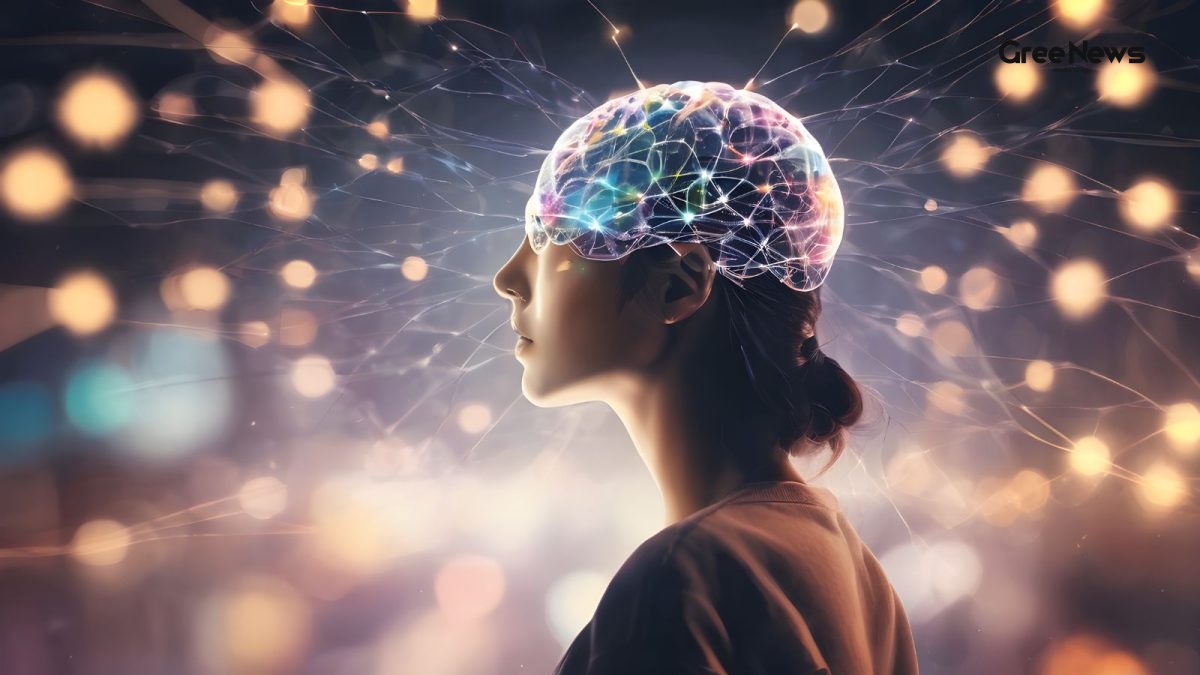
It turns out, this isn’t just my imagination. The brain actually uses a set of neural structures the anterior insula and the anterior cingulate cortex for both kinds of pain. So when you’re heart‑broken, those same regions fire up, creating a genuine physical sensation. In most cases, people think it’s ‘just in the head,’ but science tells us it’s a full‑blown body response.
This revelation was a little bit of “breaking news” for my own mind, and it also sparked a deeper curiosity about what else the brain is pulling off behind the scenes.
Seeing the World While Being ‘Motion‑Blind’ A Daily Brain Trick
Ever notice how, when you’re riding a crowded local train in Delhi, the world seems to blur for a split second each time the doors open? Dr Sermed Mezher explains that this is not just a quirk of the train, but a built‑in brain function called saccadic suppression.
He says we spend roughly 40 minutes to two hours every day in a state of temporary visual blindness. The reason? Every time our eyes dart whether from checking our phone, scanning a street sign, or looking at a flickering TV during a cricket match the brain momentarily dials down visual processing. This prevents the image from turning into a smeared streak across the retina.
Imagine you’re watching a Bollywood dance sequence on a big screen in a mall. Your eyes jump from the lead actress to the colorful background, then to the next camera angle. In those tiny jumps, the brain hits a “pause” button on seeing, letting the next frame settle before the next jump. It’s like a rapid editing cut in a movie, but happening inside your head.
What’s fascinating is that this “motion‑blind” phase lasts only a few milliseconds each time, yet adds up to a considerable chunk of the day. It’s a clever trick that lets us maintain visual stability without seeing a constant blur. Many people are surprised by this, especially when they hear that it can happen during a simple commute or while scrolling through Instagram reels.
So the next time you feel a brief “blank” in your vision, remember that it’s actually your brain protecting you from a chaotic visual overload. That’s a piece of trending news India folks often overlook while rushing through daily life.
REM Sleep: The Brain’s Own ‘Paralysis Button’
Now, let’s talk about something that’s both spooky and fascinating the way our brain turns off our muscles during REM sleep. A few nights ago, after a long day of juggling work, family chores, and a late‑night Netflix binge, I woke up mid‑night feeling completely frozen. My mind was awake, but my body wouldn’t move. I thought I was having a nightmare, but then I remembered Dr Sermed Mezher’s explanation.
According to him, during the rapid eye movement phase of sleep, the brain sends a signal that essentially “paralyses” the body. This isn’t a malfunction; it’s an evolutionary safety measure. Imagine our ancestors sleeping in trees; a sudden jerk could cause a dangerous fall. By temporarily cutting off muscle activity, the brain ensures we don’t act out the vivid dreams that often involve running, flying, or, in my case, shouting at a villain on screen.
He also mentions that this paralysis is linked to the phenomenon of sleep paralysis, where people wake up fully aware but can’t move for a few seconds to minutes. This can be scary, especially when the mind conjures up ghostly images, but it’s simply the brain’s “editing” process still in effect.
What’s more, the same mechanism might have helped early humans who occasionally slept in precarious positions like perched on a branch after a long trek across the Western Ghats. The brain’s temporary shutdown of muscle control would keep them safe from acting out dreams that might dislodge them.
So the next time you experience that eerie weight on your chest in the middle of the night, think of it as the brain doing its job a functional paralysis that protects you, even if it feels a bit unnerving.
Putting It All Together Why These Facts Matter for Everyday Life in India
All these brain tricks overlapping pain pathways, motion‑blind windows, and REM paralysis might sound like obscure scientific tidbits, but they have real implications for how we live.
First, understanding that heartache can truly hurt helps us treat emotional distress with the same compassion we give physical injuries. When a friend in Bangalore confides about a breakup, acknowledging the physical aspect can make them feel heard and supported.
Second, knowing about saccadic suppression can improve focus. If you’re studying for any competitive exam or trying to read the news on a smartphone, be aware that rapid eye flips create short blind spots. Taking a few seconds to pause between pages can reduce mental fatigue a handy tip for anyone following the latest updates on the political scene.
Third, awareness of REM‑induced paralysis can reduce fear of sleep paralysis. If you’re a night‑owl in Hyderabad who likes to stay up late watching viral videos, recognizing that the brain is simply protecting you can make the experience less terrifying.
All these insights align with what’s currently trending as viral news on social media, and they reflect the latest scientific thinking that is making its way into everyday conversations across India. By sharing these facts, we turn complex neuroscience into relatable stories that resonate with people from Delhi to Chennai.