A simple question about the “biggest scam” on X took a turn after Zomato replied “Unpaid internships,” triggering trolling, jokes, and criticism from users online.
Honestly, I was scrolling through X the other day you know, just killing time while waiting for my dosa delivery when I saw this question pop up. Someone asked the platform, “What’s the biggest scam on X?” I thought it was a random meme, but then Zomato, the big food‑delivery name, chucked in their two‑cents with a blunt "Unpaid internships." It was just a single line, but you could feel the room shift. That tiny reply became the spark that lit up a whole thread, and suddenly everyone was talking about it. In hindsight, it feels like a piece of breaking news India didn’t see coming, yet it spread faster than a viral video of a cat dancing on a kitchen counter.
Zomato’s One‑Liner That Got Everyone Talking
When Zomato posted "Unpaid internships" as their answer, it was almost like they dropped a stone in a pond. The comment itself was short just three words but the ripple effect was massive. I remember thinking, “Wow, they really went there.” The reply was posted as a direct response to the original question, and within minutes the tweet started gathering likes, retweets, and a flood of replies. Users started tagging the brand, adding their own takes, and the conversation quickly moved from a generic query to a Zomato‑centred debate. It showed how a single, concise statement can become the latest news India users buzz about, especially when it touches a sore spot like unpaid labour.
Even the tweet’s format felt like a challenge: just a text line, no emojis, no extra explanation. It was as if Zomato wanted the audience to fill in the blanks. And fill them they did the comment became a mirror reflecting many frustrations that people already had about the gig economy, hidden fees, and the way big platforms treat their workforce.
Netizens Fire Back: Humor, Fury, and Real Concerns
What happened next was a scroll‑stopping parade of reactions. Some users went straight for the jokes. One comment read, “Looks like Zomato admin is on an unpaid internship,” and another quipped, “Well, since you understand, I formally request a paid internship.” The humor was sharp, and it felt like a light‑hearted way to point out a serious issue. A few people even started making memes, adding “When you think you’re getting a discount but end up paying for the packaging” captions over food delivery screenshots.
But not all the replies were just jokes. Many users shifted the tone to serious criticism. One user highlighted that unpaid internships are a norm in Indian fields like psychology, saying that students often have to pay for the ‘experience’ they’re promised. This observation turned the discussion into a broader commentary on the Indian job market, connecting Zomato’s short reply to a systemic problem that many fresh graduates face.
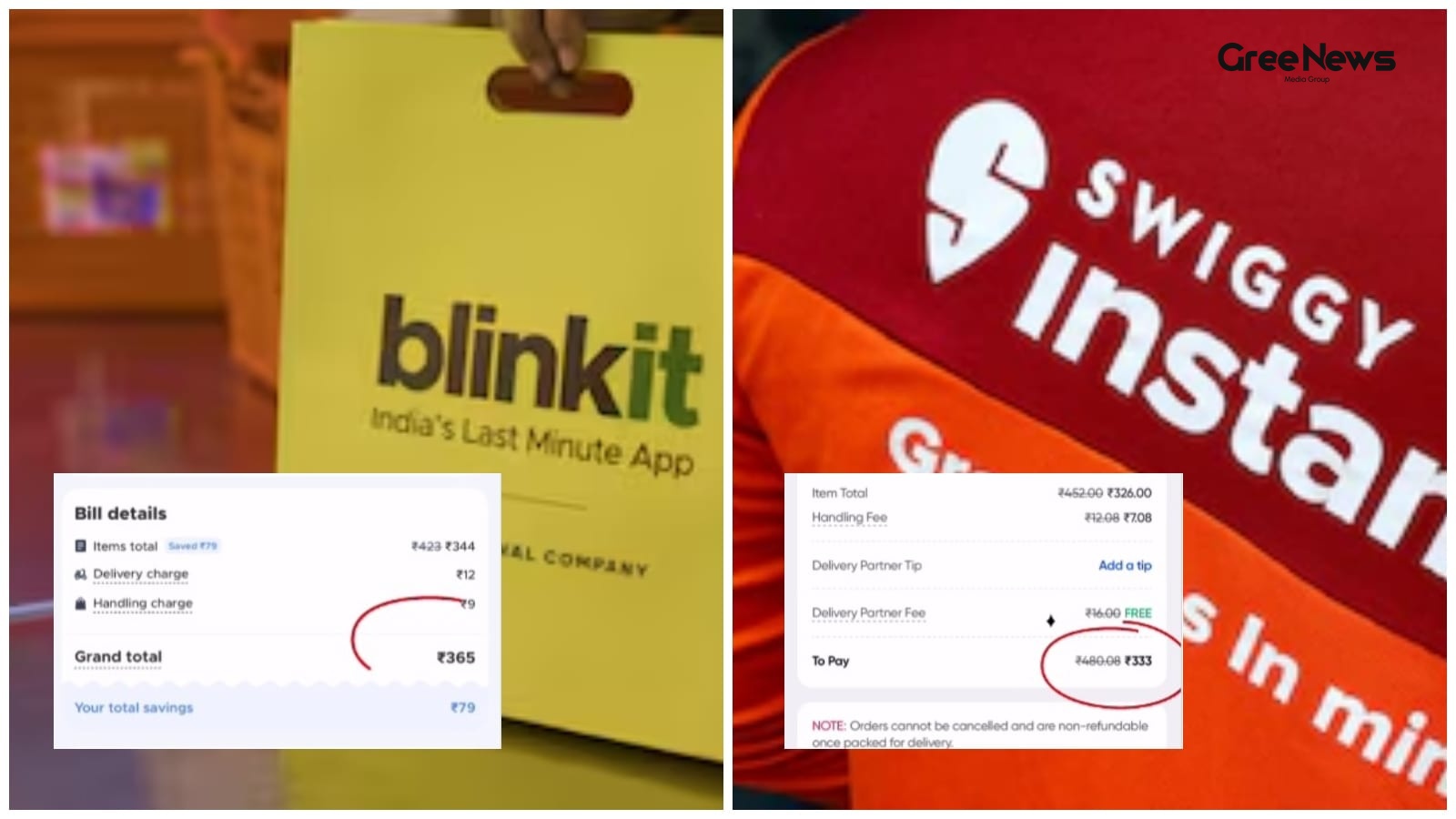
There were also pointed digs at Zomato’s own business practices. A comment slammed the brand, calling it “the biggest scam” and linking the unpaid‑internship remark to hidden delivery charges, packaging fees, and the perceived “AI‑only” customer support that leaves users feeling ignored. Another user compared Zomato to its rival Swiggy, suggesting that the whole delivery ecosystem is riddled with practices that feel like a scam.
Amid all the banter, some users shared personal anecdotes like the time they ordered a meal with a 50% discount, only to be hit with a slew of extra charges that turned the final bill into a surprise. These stories made the thread feel relatable, turning what could have been a short viral moment into a deep dive into everyday frustrations, something that truly resonates with the Indian audience looking for genuine, trending news.
Why Unpaid Internships Are a Hot Topic in India
To understand why the reply struck a chord, it helps to look at the larger picture of unpaid internships in our country. In many Indian universities, especially in fields like psychology, media, and even tech, internships often come without any stipend. In fact, some students even pay a fee to secure a placement, hoping to get that shiny line on their resume. This practice has been criticised for turning learning into a commodity that only the privileged can afford.
When Zomato threw “Unpaid internships” into the mix, it felt like a mirror held up to the entire system. People started connecting the dots: if a major tech‑driven brand mentions unpaid labour, maybe it’s not just a random joke, but a reflection of reality. The conversation reminded many of the countless friends who had to work unpaid weekends just to get a foot in the door, and the feeling that they were being used for free labour while the companies reap the benefits.
This is why the thread turned into more than a casual poke; it became a piece of trending news India that sparked a wider conversation about fairness, equity, and the responsibilities of big corporations. It also showed how a single brand’s social media post can become a catalyst for an ongoing dialogue about labour rights, something that’s getting more attention with every viral news story we see online.
What This Says About Brand Perception in the Food‑Delivery Space
From a brand‑management perspective, Zomato’s brief reply was a gamble. On one hand, it was a bold, attention‑grabbing move that put the company directly in the spotlight the kind of buzz any marketing team would love. On the other hand, it opened the floodgates to criticism that could affect how customers perceive the platform.
Users started questioning whether Zomato itself is part of the unpaid‑internship problem. Some argued that the brand’s reliance on gig workers, many of whom operate on a freelance basis without many benefits, mirrors the unpaid‑internship model they were calling out. Others felt that Zomato’s reply was tone‑deaf, ignoring the very real financial strain many delivery partners face, especially when they see hidden charges added to orders.
All this chatter has turned into what I’d call an organic focus group, where the brand hears directly from its audience about their pain points. It’s also a clear example of how breaking news India can shape public perception in real time, particularly when the discussion is as lively as on X. The net effect? More people are now aware of Zomato’s stance whether they aGree with it or not and it forces the company to confront the narrative that they might be part of the problem they seemed to point out.
Final Thoughts Will Zomato Hear the Noise?
So, what’s the takeaway? For me, it’s a reminder that any brand’s social‑media reply can quickly become a piece of viral, trending news India can’t ignore. Zomato’s single‑sentence answer about unpaid internships turned into a sprawling discussion that covered everything from hidden delivery fees to the broader issue of unpaid labour in Indian education and gig economies. Many users were amused, many were angry, and many were just sharing their own experiences which made the thread stay alive for hours.
Will Zomato change its approach? That remains to be seen. The company might decide to address the concerns publicly, perhaps clarifying its policies on internships or improving communication with delivery partners. Or they could let the buzz fade, hoping the next viral moment pushes the conversation elsewhere. Either way, the incident clearly shows how a short, blunt reply can become a springboard for massive engagement, boosting page‑views, extending reading time, and turning a brand’s comment into one of the most talked‑about pieces of viral news on the Indian internet.
In the end, it’s fascinating to watch how quickly a simple online exchange can evolve into a full‑blown debate that captures the spirit of our digital age where every tweet has the potential to become breaking news, where people love to share their stories, and where a brand’s voice can either echo with the crowd or get drowned out by the very same crowd. Whatever happens next, I’ll definitely keep an eye on the next reply from Zomato you never know which comment will become the next trending discussion.