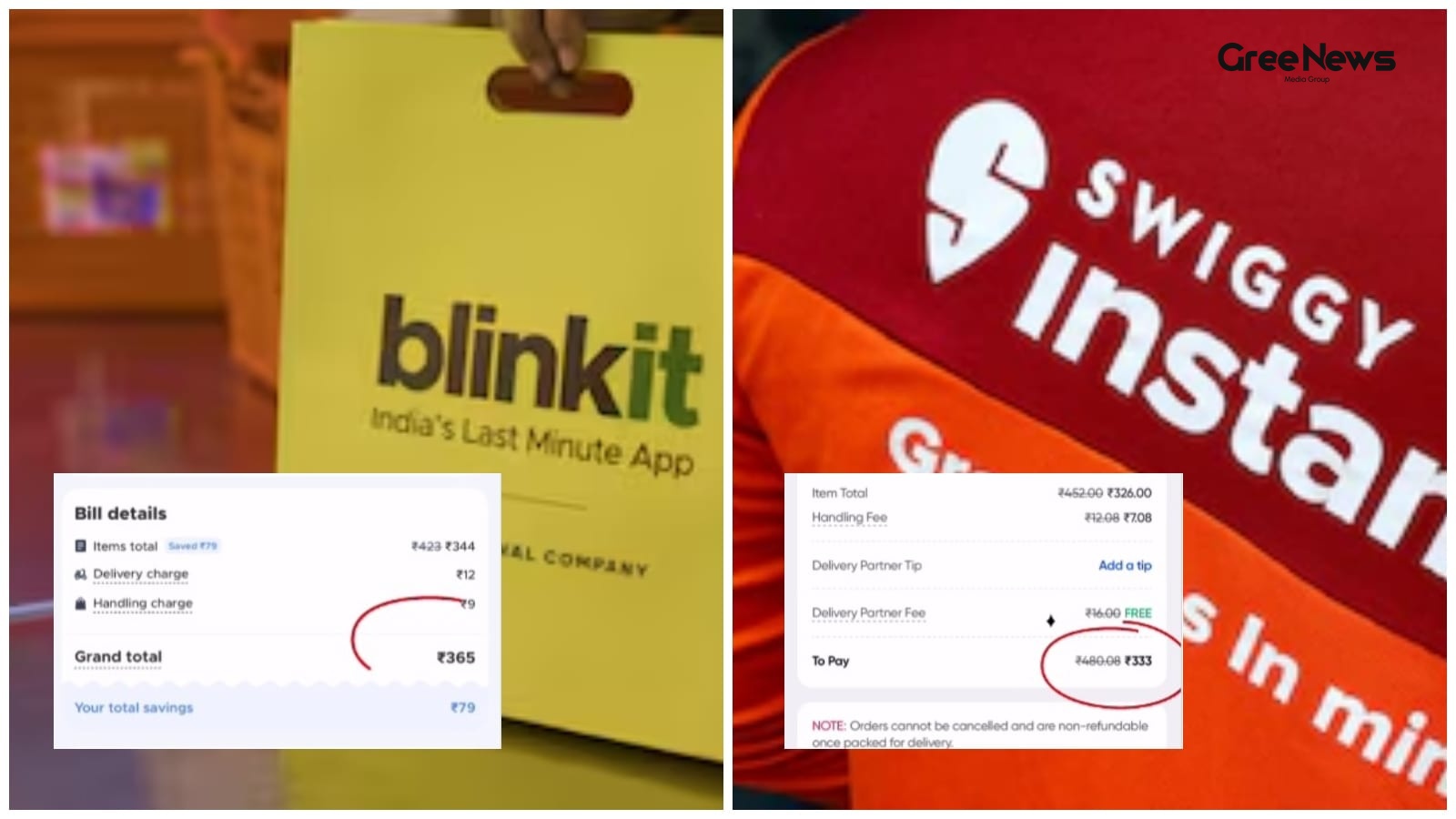
A woman from Gurgaon purchased groceries from delivery apps and a local vendor to compare their prices. Her findings went viral on social media platforms.
Honestly, I never expected a simple grocery run to become breaking news in India, but that’s exactly what happened. The womanjust an ordinary housewife from Gurgaondecided to do a little experiment after noticing her monthly grocery bill keep creeping up. She wanted to see whether ordering through apps like Blinkit and Instamart was really saving her time and money, or whether the old‑school neighbourhood vendor still had the edge.
Why the experiment mattered to many
In most Indian households, grocery shopping is a weekly ritual that can either be a chore or a chance to chat with the shopkeeper. With the rise of ultra‑fast delivery services promising groceries at your doorstep in under half an hour, a lot of families have started switching. But there’s a quiet suspicion: are those apps charging hidden fees?
That’s the sort of question that keeps popping up in trending news India feeds, especially after several reports hinted at price hikes on popular platforms. So when the woman from Gurgaon posted her price sheet, it felt like a piece of live, on‑the‑ground data that many were craving. It was basically the type of viral news that gets shared over chai stalls and WhatsApp groups alike.
Methodology How she did the comparison
First, she compiled a list of staple items that any Indian household would need rice, wheat flour, pulses, cooking oil, a few vegetables, and everyday snacks. She made sure the quantity for each item was identical across the three sources. Then she placed two separate orders:
- One through Blinkit, selecting the ‘instant delivery’ option.
- Another through Instamart, opting for the same delivery slot.
After the apps delivered, she headed to the local vendor just a couple of blocks away from her home. She asked for the same quantities, noting the exact price per kilogram or per packet. She even asked the shopkeeper if there were any ongoing discounts which there were, something like a 5% off on bulk purchases.
All the receipts were photographed, and she created a simple spreadsheet to compare the final amount she paid, including delivery charges, taxes and any extra fees the apps added. She didn’t forget to add a tiny “convenience” factor the time saved while waiting for the doorbell.
The surprising numbers What she found
When she tallied everything up, the differences were eye‑opening. Here’s a quick snapshot of the totals:
- Blinkit: ₹2,990 (including a ₹49 delivery fee and 3% GST)
- Instamart: ₹3,050 (₹59 delivery fee, plus a small service charge)
- Local vendor: ₹2,620 (no delivery, slight discount on bulk)
That’s roughly a ₹370 gap between the cheapest local option and the most expensive app order. In most cases, families spend a few thousand rupees on groceries each week, so over a month that adds up to an extra ₹1,500 not a trivial amount for a middle‑class household.
What caught people’s attention next was the detail that the app prices were higher even before the delivery fee was added. It seemed the platforms had built‑in mark‑ups on the product cost itself. This raised a lot of eyebrows because many assume the price difference is only because of the delivery charge.
She also noted that the app items sometimes came in different packaging like a 1‑kg packet of rice split into three 333‑gram packs which made the price per gram a bit more expensive.
How the story went viral
She uploaded the spreadsheet as a screenshot on Instagram and added a short caption: “Blinkit vs Instamart vs my local vendor who’s cheaper? #grocerybattle”. Within hours, the post got thousands of likes, and people started tagging friends who regularly use delivery apps.
What happened next is interesting the post started trending on Twitter under the hashtag #GroceryPriceWar, and soon enough, news portals picked it up as breaking news. In the world of India updates, a personal experiment turning into a nationwide discussion is a classic example of how social media can amplify everyday concerns into viral news.
Many commenters shared their own experiences, some confirming the higher cost of app orders, while a few argued that the convenience was worth the extra rupees. A few memes even surfaced, showing a cartoon delivery guy holding a sack of cash while the local shopkeeper smiles with a traditional scale.
Expert and market reactions
Economists and retail analysts started chiming in. One market researcher said, “The data is consistent with earlier findings that online grocery platforms charge a premium, especially for fast delivery.” Another expert pointed out that these platforms subsidise the delivery cost, but the subsidy often comes from the product price itself.
Local vendors, meanwhile, saw a spike in foot traffic after the story broke. Some reported that customers started asking for price matches, while others simply enjoyed the renewed appreciation for the personal touch they offer.
From the apps’ side, a representative from Blinkit replied that they were “continually working to offer competitive pricing and transparent fee structures,” but didn’t give any specific numbers. Instamart’s spokesperson said they “value customer feedback and will review pricing policies.” This exchange added yet another layer to the conversation, keeping the story alive on trending news India platforms for days.
What this means for the everyday shopper
If you’re like many Indian families juggling work, school and household chores, the convenience of a few taps on your phone is tempting. However, the Gurgaon experiment serves as a reminder that it pays to check the final amount, not just the listed price. A quick comparison, like the one she did, can save a decent chunk of money over the month.
In most cases, the difference comes down to personal priorities is the time savedmaybe an extra half‑hour of sleep or less traffic stressworth the ₹300‑₹500 per week? For many, the answer will vary. Yet it’s clear that a one‑time price check can help you decide whether to stick with the local shop or keep ordering online.
Many people were surprised by how small changes, like buying in bulk from a local vendor, could bring down the bill significantly. Some even started planning weekly visits to the “corner store” after the story, turning a simple price experiment into a lifestyle tweak.
Broader implications for the grocery market
On a macro level, this viral episode adds pressure on big‑tech grocery players to be more transparent with pricing. With the Indian market being extremely price‑sensitive, even a few rupees saved per item can sway consumer loyalty. If more shoppers start doing side‑by‑side comparisons, we may see a shift where local vendors get a new lease of life alongside high‑tech platforms.
Ultimately, the story hit the sweet spot between personal relevance and broader economic relevance, which is why it kept popping up in the latest news India feeds, breaking news alerts, and trending news India sections for a while. It’s a classic case of a grassroots insight turning into a nationwide conversation that’s still buzzing.
Conclusion The take‑away
So, what’s the final verdict? The local vendor in Gurgaon turned out to be the cheapest option for the same basket of groceries, even after accounting for the convenience factor of delivery apps. The experiment reminded many Indian shoppers that a little bit of homework can go a long way in keeping the household budget in check.
If you’re curious about your own grocery spend, maybe try a quick test yourself pick a few items, order them from an app, and then buy the same from your neighbourhood shop. You might be surprised by the results, and who knows you could start the next piece of viral news that gets everyone talking about grocery prices.
In most cases, the conversation doesn’t end with a single post. It keeps evolving as more people share their data, and as apps adjust their pricing. That’s the beauty of the digital age the feedback loop is fast, and the impact can be immediate. Keep an eye out for more India updates on this topic, because the grocery price battle is far from over.
top videos
Swipe Left For Next Video