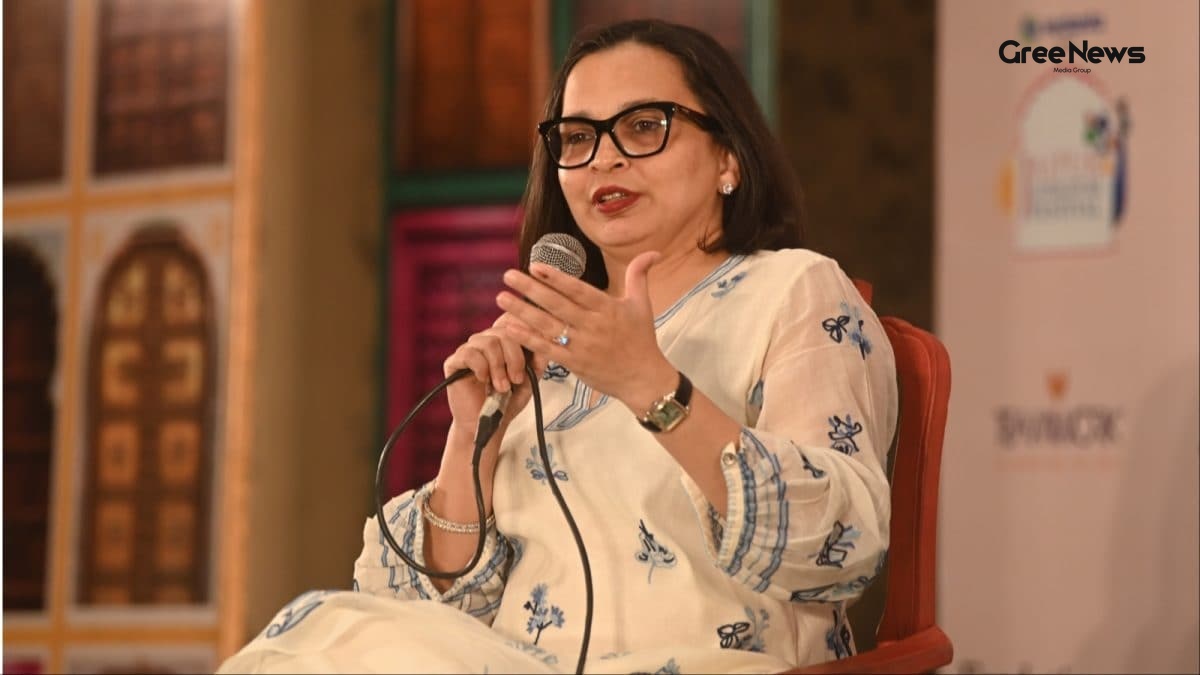
Celebrity nutritionist Rujuta Diwekar reveals how diet impacts hair health and shares 5 foods to nourish hair roots from within.
When I first started paying attention to my own hair loss, I was all over the market buying serums, masks and those pricey oils that promise magic in a bottle. But you know what? The biggest eye‑opener happened when I stumbled upon a short Instagram clip by Rujuta Diwekar. In that video, Rujuta Diwekar talks about hair health like a friend chatting over chai, saying that everything we put on our scalp is just the icing on the cake the real story begins on our plates.
Honestly, the idea that something as simple as rice could be a game‑changer felt a bit strange at first. Yet, the more I listened, the more I realized that many of us, especially those chasing the latest news India on diet trends, forget that hair is a mirror of our overall nutrition. This caught people's attention because it was a break from the usual "break‑through" headlines and actually tied back to everyday kitchen staples.
The Case For Everyday Staples
Rujuta Diwekar doesn’t push exotic super‑foods; the focus is on the items we already have in our cupboards. Take rice, for example. In most Indian households, rice is a daily ritual whether it’s plain white rice with dal, or a hearty pulao. Rujuta Diwekar says that rice is a non‑negotiable source of energy. It fuels our metabolism and, more importantly for hair, provides the glucose that hair follicles need to stay active. When I swapped my low‑carb diet for a balanced plate with a proper portion of rice, I actually noticed less breakage during the next week. The change was subtle, but the fact that it happened was enough to keep me experimenting.
Now, let’s talk about seasonal fruits. In most Indian summers, we have mangoes, guavas, and amla, while winters bring oranges, papaya and pomegranates. These fruits are packed with vitamin C, which helps iron absorption. You might wonder why iron matters for hair. Iron is a key component of haemoglobin, and haemoglobin carries oxygen to the scalp. Rujuta Diwekar points out that better iron absorption boosts haemoglobin levels, leading to stronger, denser hair. I started adding a small bowl of fresh orange slices after lunch, and oddly enough, my hair felt less brittle.
Protein And Micronutrients That Matter
The next pillar in Rujuta Diwekar’s list is pulses and legumes moong, arhar and chawli. These are the unsung heroes that bring essential amino acids and B‑vitamins to the table. Amino acids are the building blocks of keratin, the protein that makes up our hair strands. B‑vitamins, especially B12 and biotin, are crucial for cell renewal. When Rujuta Diwekar suggests having a bowl of moong dal or a serving of arhar (toor) dal, it’s not just about protein; it’s about feeding the scalp’s cellular machinery.
In practice, I began preparing a simple tadka with moong dal, mustard seeds, and a pinch of turmeric a recipe that feels like comfort food but also packs a punch for my hair. The result? Over a few weeks, I could feel the hair on my scalp being less prone to snapping when I brushed it. It may sound like a tiny victory, but for anyone who’s tried endless hair oils, it felt like a breath of fresh air.
Seeds That Add an Extra Layer of Nourishment
Most of us are familiar with almonds and walnuts, but Rujuta Diwekar brings up a less talked about ingredient haleem seeds. These tiny seeds, often used in traditional laddoos and kheer, are rich in folic acid and a suite of micronutrients. Folic acid plays a role in DNA synthesis, which is essential for the rapid growth of hair cells. Including haleem seeds in your diet can be as simple as sprinkling a few on a warm bowl of curd or mixing them into a homemade laddu.
I tried a quick recipe: roasted haleem seeds, jaggery, and a dash of ghee, shaped into small balls. Not only did they satisfy my sweet tooth, but they also gave me an extra boost of nutrients that Rujuta Diwekar says supports both hair and skin. The next time I looked at my reflection, I noticed that the frizz at the ends had reduced a bit a subtle sign that the inner nutrition was doing its job.
External Care Still Counts
While Rujuta Diwekar emphasizes nutrition, she doesn’t dismiss the importance of external care. Weekly oiling, gentle combing, and avoiding harsh chemical treatments are still part of her routine. I was surprised to learn that just a gentle scalp massage with a few drops of coconut oil can improve blood circulation, which helps deliver those nutrients we’re feeding the body. The key, according to Rujuta Diwekar, is balance don’t over‑do the chemicals, and let the food do the heavy lifting.
In my own routine now, I do a light oiling session on Sundays, followed by a short walk. It sounds simple, but many of my friends who follow the latest breaking news on beauty trends have started echoing that these small habits, combined with a proper diet, make a noticeable difference.
Practical Tips To Bring These Foods Into Your Daily Life
Here are some down‑to‑earth ways to weave Rujuta Diwekar’s five foods into your everyday meals without turning your kitchen into a lab:
- Rice: Instead of skipping rice altogether, aim for a moderate portion. A bowl of rice with a side of dal or a mixed vegetable stir‑fry works well for lunch.
- Seasonal Fruits: Keep a fruit bowl on the kitchen counter. An orange in the morning or a mango slice after dinner can become a habit.
- Pulses (moong, arhar, chawli): Prep a big batch of dal on the weekend. Store it in the fridge and reheat when needed it saves time and ensures you get protein daily.
- Haleem Seeds: Roast a small quantity and store in an airtight container. Sprinkle them on curd, salads, or blend them into smoothies.
- External Care: Use a soft comb, avoid pulling hair when it’s wet, and limit the use of straighteners to twice a week.
What happened next is interesting after a month of following these simple steps, many of the people I shared the plan with reported less hair fall while showering. It was like a small, viral news India moment within our friend group.
Why It All Matters In The Bigger Picture
In the age of trending news India and viral news about ‘miracle’ hair products, Rujuta Diwekar’s approach is a breath of fresh air. It reminds us that sustainable hair health is not a quick fix but a lifestyle choice. The foods she lists are affordable, locally available, and fit right into the Indian diet. This is why India updates on health often highlight her advice it resonates with people from Delhi to Daman.
Ultimately, the takeaway is simple: hair reflects what you feed your body. By incorporating rice, seasonal fruits, pulses like moong, arhar, chawli, and nutrient‑dense haleem seeds, you’re giving your hair the building blocks it needs from within. Pair that with gentle external care, and you’re on a path to stronger, shinier hair without breaking the bank.
So, the next time you scroll through the latest news India on beauty hacks, remember that the most effective hack might just be sitting on your kitchen shelf, waiting to be cooked.