Rakesh Chaurasia on jugalbandi with Ustad Shujaat Husain Khan, musical instinct, silence, Sufi elements and the global journey of Hindustani classical music.
There is a point in a jugalbandi where technique quietly steps aside and something more fragile takes over – listening. Not the kind of listening that waits for its turn, but the kind that absorbs, bends, and answers in the moment. For me, watching Pandit Rakesh Chaurasia and Ustad Shujaat Husain Khan on a Mumbai stage, that moment wasn’t in a rehearsed studio, it was right there, the sitar began to "speak" and the flute answered not with calculated notes, but with pure instinct.
What followed felt less like a showcase of pediGree and more like a conversation between old friends. A phrase would blossom on the sitar like a complete thought, and the flute would not merely echo it, it would wander around it, stretching breath where the strings grew dense, leaving silences where the music needed space. Sometimes the line between the two blurred so much that I could hardly tell where one instrument ended and the other began.
Q: This was the first time the two of you shared the stage in a full jugalbandi. What surprised you most about each other’s musical sensibility during rehearsals or the Mumbai show, something that only became clear when the sitar and flute actually began conversing?
Rehearsing with Shujaatji was an eye‑opener in deep listening. What really surprised me was how conversational his sitar is – not just in melody but in emotion. When the sitar started unfolding a phrase, it felt like complete sentences were being spoken. During the Mumbai performance, there were moments when I responded more to the feeling behind a phrase than its technical shape. That level of musical empathy only shines through when the instruments are truly talking on stage, not just when we’re practicing in a silent practice room.
Q: Ustadji’s Imdadkhani gayaki style is deeply vocal and lyrical; Rakeshji, your flute carries the breath and fluidity of the Maihar tradition. How did you negotiate the natural tension between “voice‑like" sitar and “breath‑like" flute in the jugalbandi, and did any unexpected magical moments emerge?
Shujaatji’s Imdadkhani gayaki is intensely vocal – it almost feels sung. The flute, on the other hand, lives in the breath. I didn’t see this as a clash, I saw it as texture. I let my breath stretch the phrases wherever the sitar sang densely, and in return his meends would glide seamlessly into my sustained notes. Some magical moments happened when our phrasing aligned so naturally that the audience could not tell where the sitar ended and the flute began – it became one flowing conversation.
Q: In the Mumbai concert, light‑hearted banter about scheduling challenges brought warmth to the evening. How important is this human, almost familial rapport to making a classical jugalbandi feel alive rather than just technically perfect?
It is absolutely essential. A jugalbandi is not a contest, it’s a relationship. The light‑hearted banter we shared in Mumbai came from genuine warmth between us. When artists feel comfortable, the improvisation becomes fearless. You can see the audience feeding off that comfort – the performance feels alive, not just a display of technical brilliance.
Q: Mumbai gave you a sold‑out house and a standing ovation. What did that response tell you about the hunger for pure, unadulterated Hindustani classical music among today’s urban audiences, especially when presented with care and production excellence?
The response in Mumbai was deeply reassuring. It showed that urban audiences still have a profound appetite for pure Hindustani classical music when it is presented with sincerity and care. The standing ovation was not merely applause for virtuosity; it was appreciation for a tradition being offered with respect, depth and a touch of contemporary polish.
Q: The format, solo recitals followed by jugalbandi, is quite structured for classical concerts. How has the audience reaction across cities so far shown you whether this new format helps younger listeners stay engaged for two full hours?
I believe this format helps audiences connect more deeply. Solo recitals establish each artist’s individual voice. By the time the jugalbandi begins, listeners already understand both musical languages, so the dialogue feels richer. Across cities I have noticed younger listeners staying fully engaged for the entire two‑hour span because the structure provides clarity and a sense of progression.
Q: Kotak Private Banking is presenting the tour. In an era when corporate support for classical music is still rare, what message does this partnership send to the next generation of patrons and artists?
Corporate backing for classical music sends a powerful message – heritage and artistic excellence deserve sustained support. It encourages young artists to believe that serious classical pursuit is valued. Partnerships like this help bridge tradition with contemporary platforms and audiences.
Q: Both of you come from legendary gharanas and gurus (Ustad Vilayat Khan and Pandit Hariprasad Chaurasia). How do you balance the weight of that inheritance with the desire to create something fresh and contemporary through “Strings & Wind"?
Coming from the Maihar tradition under Pandit Hariprasad Chaurasia ji, there is always a responsibility to maintain purity. At the same time, music must stay alive. With Strings & Wind, the goal is not to modernise the raga, but to allow fresh interaction within the grammar of tradition. Innovation must emerge organically, not artificially.
Q: The jugalbandi includes classical Sufi presentations and singing. What does it mean to you to bring the devotional, poetic Sufi element into an instrumental dialogue, especially at a time when audiences are seeking both depth and emotional connection?
Sufi poetry and classical music both aim for transcendence. When devotional elements are introduced within an instrumental dialogue, it deepens the emotional experience. Today’s audiences are seeking meaning and connection, and the Sufi element adds that spiritual dimension without compromising classical integrity.
Q: Rakeshji has taken the flute to global stages and two Grammys; Ustadji has carried the sitar across continents for decades. How has your individual international experience shaped the way you now want to present classical music back home in India?
Global collaborations and recognitions – projects like As We Speak and the Grammy‑winning track “Pashto” – have expanded my understanding of space, silence and rhythm. However, presenting classical music in India is about returning to the core. International exposure refines perspective, but the grammar remains rooted in Hindustani tradition.
Q: With the success of the Strings & Wind tour, are there any plans (or dreams) for a joint album that captures the same spirit of solo brilliance followed by spontaneous jugalbandi that audiences are experiencing live?
The live energy of Strings & Wind is very special because of its spontaneity. If we were to record together, I would want to preserve that same organic flow – solo brilliance leading into fearless, improvisational dialogue. It is certainly a beautiful possibility.
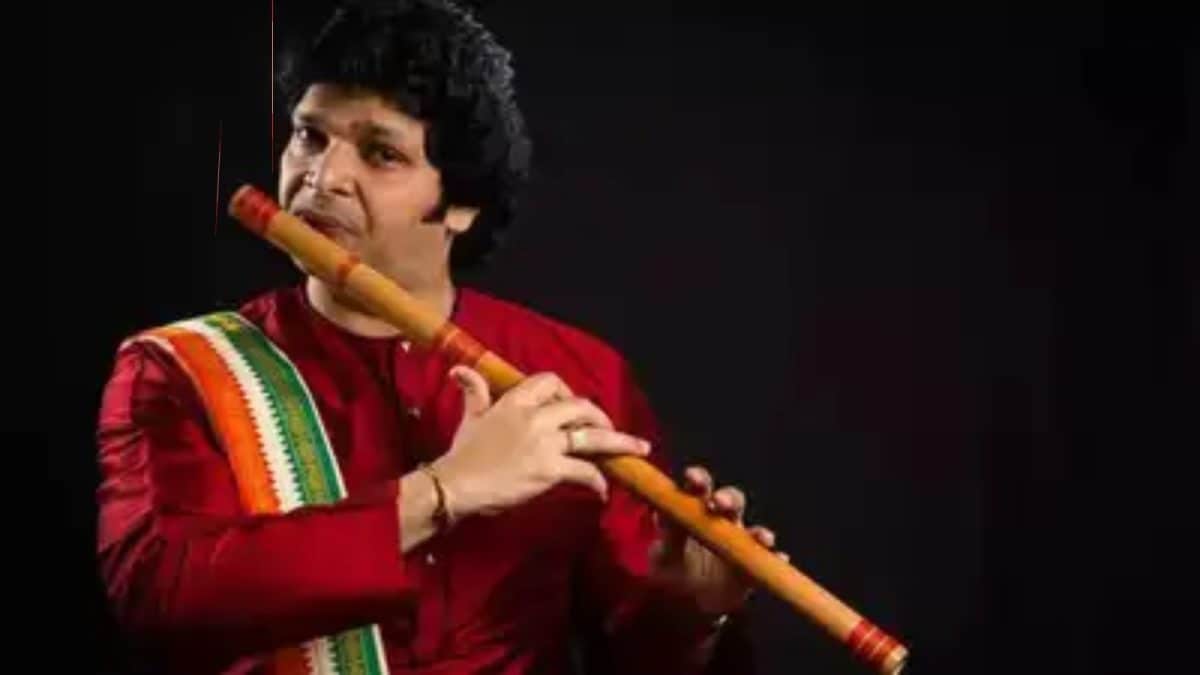
Q: As the nephew and disciple of Pandit Hariprasad Chaurasia, you grew up in the Maihar tradition. What was the most challenging yet rewarding aspect of stepping out of that shadow to develop your own voice on the flute, especially when you began blending technical mastery with a more contemporary sensibility?
Being the nephew and disciple of Pandit Hariprasad ji is both a blessing and a responsibility. The most challenging aspect was finding my own tonal identity while staying true to the Maihar tradition. Over time I realised that individuality emerges naturally when your riyaz is honest. The goal was never to step out of the shadow, but to grow within the light of that guidance.
Q: In 2024 you won two Grammys, one for “Pashto" with Zakir Hussain and another for the album As We Speak with Béla Fleck and Edgar Meyer. What were those collaborations like and how did those global recognitions affect the way you now present pure Hindustani classical on the global stage?
Collaborating with artists like Zakir Hussain, Béla Fleck and Edgar Meyer was an extraordinary exchange of musical languages. Winning two Grammys in 2024 was humbling, but more importantly, it reinforced the idea that Indian classical music can stand globally without dilution. It strengthened my conviction to present pure Hindustani classical music with even greater integrity.
Q: The track “Pashto" from As We Speak won Best Global Music Performance. What made that particular piece feel so alive and cross‑cultural, and does it influence how you now think about blending breath, rhythm, and silence in a traditional jugalbandi?
The piece felt alive because it was built on listening rather than blending for novelty. Rhythm, breath and silence interacted dynamically. That experience has influenced how I approach jugalbandi today – allowing silence and space to become equal participants in the dialogue.
Q: Albums like Finesse on Flute (2019) showcase your technical clarity and contemporary sensibility. How do you balance that modern edge with the deep meditative quality required in a classical recital, especially when audiences today expect both depth and immediacy?
Technical clarity and speed may attract attention, but depth is what sustains it. In a recital I always begin with meditative expansion before moving into complex improvisation. Audiences today appreciate both intensity and introspection. The balance lies in respecting the emotional journey of the raga.
Q: Your flute is often described as having exceptional tonal clarity and breath control. How have international collaborations (with artists like Zakir Hussain or Béla Fleck) refined your understanding of silence, space, and improvisation within the classical framework?
International collaborations have sharpened my awareness of silence. In Indian classical music silence is not emptiness – it is anticipation. Working with artists from different traditions refined my sensitivity to spacing, and that now informs my classical performances as well. If I am considered among the leading flautists of my generation, it carries a responsibility. Tradition is not a limitation – it is strength.