Sources indicated that Asif’s remarks drew sharp reactions, including from Israel, at a time when ceasefire negotiations remain sensitive.


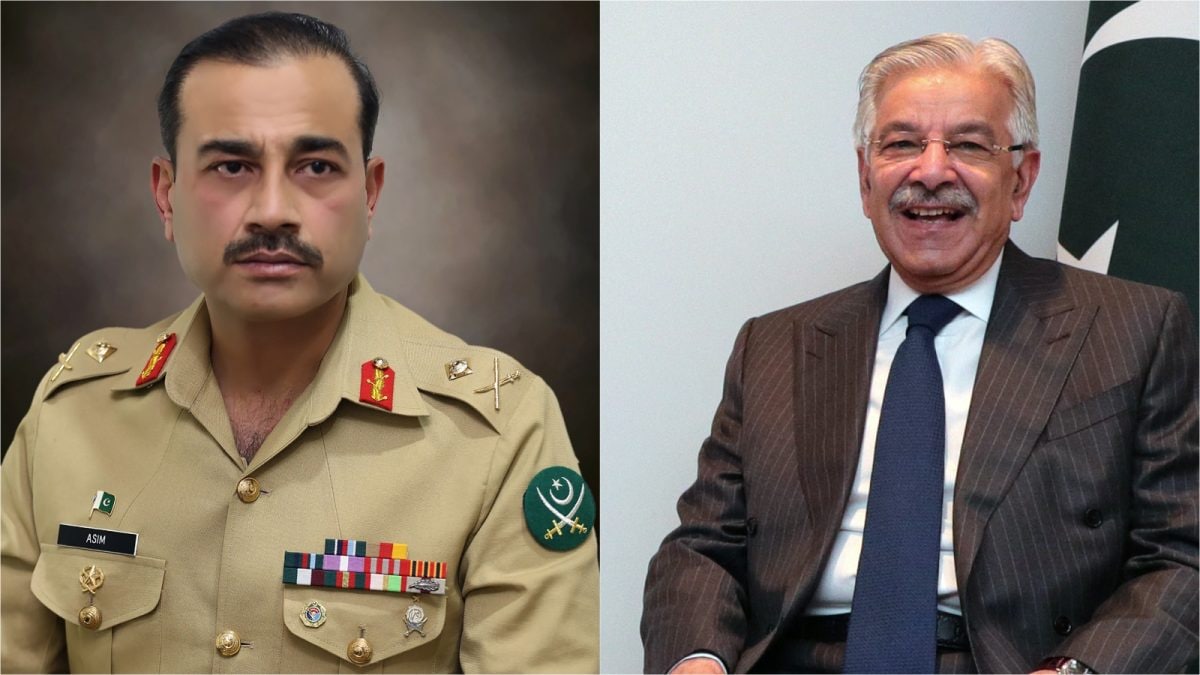
Indian intelligence sources said Pakistan Army chief Asim Munir intervened to get Defence Minister Khwanga Asif’s social media post on Israel deleted, pointing to tensions within the country’s decision‑making setup. The move, they said, points to a widening civil‑military divide that could affect Pakistan’s role in the ongoing US‑Iran mediation.
Honestly, when I first read about this, I felt a bit like when we hear about a neighbour arguing loudly at the gate – you know something serious is brewing, but you’re not quite sure how deep it goes. In most cases, the army in Pakistan has a strong say in foreign matters, but this outright order to erase a post felt like a new level of involvement.
It wasn’t just a quiet chat behind closed doors. Sources mentioned that Pakistan’s ministers were “behaving irresponsibly,” and that Washington is now increasingly seeing Islamabad as unable to manage its own leadership. That’s a pretty harsh assessment, but it reflects the frustration many foreign diplomats feel when they see civilian politicians posting things that could jeopardise delicate diplomatic balances.
Why the Post Became a Big Deal
So, what was the post about? Khwanga Asif had posted a statement that was critical of Israel’s actions, a stance that has always been popular among certain segments of the Pakistani public. However, the timing was delicate because the US‑Iran cease‑fire talks are at a very sensitive stage. A strong public condemnation could be perceived as Pakistan taking sides, and that’s risky when Islamabad wants to be seen as a neutral broker.
Imagine you’re at a wedding and someone starts shouting about a family feud that’s still simmering – you’d want to keep the peace, right? That’s exactly the kind of tightrope the Pakistani government is walking. The post triggered a sharp reaction, not only from Israel but also from diplomatic circles that are trying to keep the peace in the Gulf.
From my own experience following the news, I’ve seen how quickly an Instagram caption can turn into a headline in Indian newspapers. The same thing happened here, except the stakes are higher because it involves potential military confrontations and oil price shocks.
Potential Fallout for the US‑Iran Ceasefire
Sources suggest that any collapse of the mediation track could lead to renewed hostilities in the Gulf, which would push global oil prices up. Think about our daily commute in Mumbai or Delhi – when petrol prices soar, everyone feels the pinch. For Pakistan, which already wrestles with energy shortages and inflation, a spike in oil prices could be disastrous.
Now, add to that the fact that the Afghan border areas and the western frontier of Pakistan are already volatile. If the Gulf situation deteriorates, there’s a genuine fear that militants could find new avenues for recruitment or smuggling, further destabilising those regions.
In most cases, the civilian government would try to smooth things over, but the incident with Asif’s post shows that the army can step in and directly curb any diplomatic missteps. That kind of internal control might actually keep Pakistan from making an outright diplomatic blunder, yet it also showcases how little room the elected officials have.
Civil‑Military Divide: A Growing Concern
According to the same sources, Pakistan’s Army, led by Field Marshal Asim Munir, continues to exercise decisive control over foreign policy, leaving the elected government with limited authority. This isn’t the first time we’ve seen the military’s hand in diplomatic affairs – remember the 1998 nuclear tests? However, the direct instruction to delete a social‑media post is a new twist, indicating that the army is watching not just official statements but also personal online expressions of its leaders.
When I talk to my friends who have relatives in the armed forces, they often say that the army’s involvement in policy is “part of the tradition.” But the tradition seems to be shifting from strategic planning to day‑to‑day messaging, which can be a bit unsettling for a democratic setup.
In practice, this means that the civilian cabinet may find itself sidelined in crucial diplomatic engagements, including the US‑Iran talks, allowing the military to retain strategic flexibility. That flexibility, while perhaps useful in crisis management, also raises questions about accountability and transparency.
India’s View on the Whole Affair
India, for its part, views the episode as further indication that Pakistan’s civilian leadership lacks both discipline and autonomy. Indian analysts say the army is “calling the shots” on key international matters. From a Kolkata tea‑stall conversation to a Delhi policy round‑table, the sentiment is that Pakistani politics is more about what the uniformed brass wants than what elected representatives vote for.
Personally, I’ve seen how such perceptions shape our own foreign policy debates. When the neighbour’s internal politics appear chaotic, it gives us a reason to be cautious about any collaborative projects, especially those involving security or trade.
The fallout from this controversy is being seen as self‑inflicted damage that could weaken Pakistan’s global standing, even as the military’s strategic posture remains unchanged. It’s a classic case of “shooting yourself in the foot” while trying to protect yourself from a bigger blow.
Wider Regional Implications
If the mediation track stalls because of internal Pakistani discord, the ripple effects could be felt across the entire region. A renewed Gulf conflict would not only affect oil prices but could also destabilise the already fragile economic ties between South Asian countries. For instance, Pakistani workers in the Gulf might face job losses, which in turn would affect remittance flows back home – an essential lifeline for many families in Punjab and Sindh.
On the ground, increased militancy along Pakistan’s western borders could lead to more cross‑border incidents, something we have witnessed occasionally during election periods. The army’s heavy‑handed approach might keep the diplomatic front quiet, but it could also fuel resentment among the civilian populace, who feel that their elected leaders are being muzzled.
In my opinion, the best outcome would be a balanced approach where the army supports the civilian government’s diplomatic initiatives rather than overriding them. That way, Pakistan could maintain its credibility as a neutral interlocutor, which is vital for any long‑term peace process in the Middle East.
Conclusion: Lessons and Looking Ahead
All in all, the incident with Asim Munir and Khwanga Asif’s deleted post shines a bright light on the complex power dynamics within Pakistan. It shows how a single social‑media message can become a flashpoint in international diplomacy, especially when the country's leadership is split between civilian politicians and a powerful military establishment.
For those of us watching from the sidelines – whether from a chai stall in Delhi or a living‑room TV in Chennai – the take‑away is clear: internal stability matters just as much as external negotiations. If Pakistan wants to stay relevant in the US‑Iran cease‑fire talks, it will need to present a united front, or at least convince the world that its civilian leaders have real say.
Until then, we can expect more of these behind‑the‑scenes manoeuvres, and perhaps, more stories of social‑media posts being pulled, edited, or outright deleted by the forces that control the narrative. It’s a reminder that in today’s world, diplomacy isn’t just about diplomats in suits; it’s also about what gets posted on a phone screen, and who has the power to take it down.