Why buttermilk became India’s summer go‑to drink
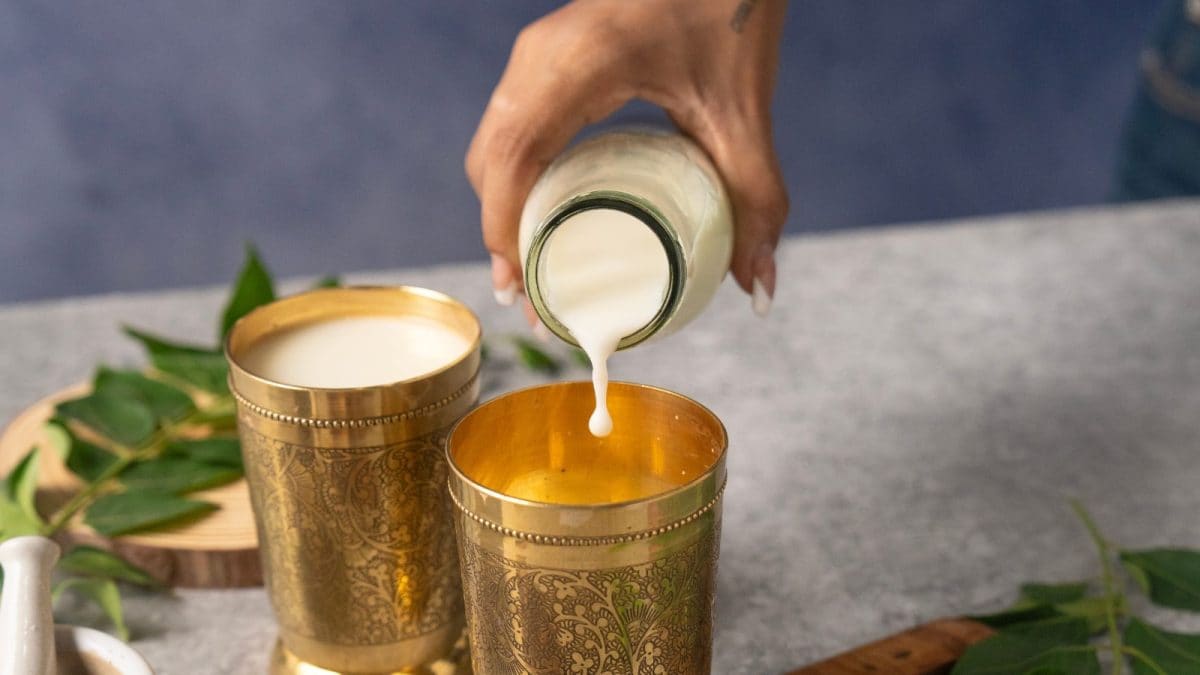
Every time the sun beats down hard, you can hear the familiar clink of steel tumblers filled with chaas, or buttermilk, being placed on verandas across India. As a child I remember my mother whipping up a batch after lunch – a quick blend of leftover curd, a splash of water, a pinch of salt, roasted cumin and sometimes a few fresh coriander leaves. The drink would sit there, cooling under the shade, and we would gulp it down like it was a lifeline. The reason behind this love affair is simple: buttermilk is light, it hydrates, and it carries a tangy flavour that makes you forget the heat.
Beyond the immediate refreshment, buttermilk is praised for its probiotic properties. Health blogs and nutritionists often call it a gut‑health elixir, saying that the live cultures aid digestion, improve bowel movements, and can even help with weight management. In most Indian households, a glass of buttermilk after a heavy meal has become almost a ritual. It’s also cheap, easy to make, and the ingredients are already present in most kitchens.
1. People with kidney problems – a hidden strain
Now, if you have a kidney condition, that comforting glass can actually become a problem. Kidneys are the body’s natural filters; they work hard to remove waste and excess fluid. Buttermilk, like many dairy products, contains potassium and phosphorus. In a healthy person these minerals are balanced easily, but for someone whose kidneys are not functioning properly, they can build up in the bloodstream. The extra potassium can lead to heart rhythm disturbances, while excess phosphorus may weaken the bones over time.
In my own neighbourhood, I have a neighbour Mr. Sharma who underwent dialysis last year. He told me that his doctor advised him to limit dairy, especially anything that is thick and packed with minerals. He used to love buttermilk after evening walks, but after a few episodes of swelling in his legs, the doctor asked him to stop. He now sticks to plain water or coconut water, which have lower potassium levels.
So, if you or a family member have chronic kidney disease, it’s safer to treat buttermilk as a drink to avoid. Even the low‑fat version does not eliminate the mineral content, so the risk remains.
2. People with high blood pressure – salt hidden in the coolness
Another group that should think twice before reaching for the chilled glass is those dealing with hypertension. Traditional buttermilk recipes often call for a pinch of salt, and sometimes people add a dash of chat masala for extra zing. While the amount may seem trivial, when you are consuming it daily, the sodium adds up. Sodium makes the body retain water, which in turn raises blood pressure.
My cousin Priya, who works in a corporate office in Mumbai, started having her regular buttermilk after lunch because she loved the way it cooled her, especially during the monsoon heat. A few months later, her doctor mentioned her blood pressure was edging higher than before. When we looked at her diet, the extra salt from the buttermilk turned out to be a small but consistent contributor. She now prepares a low‑salt version, using just a pinch of black salt and a squeeze of lemon instead.
For anyone managing hypertension, it’s wise to keep an eye on the salt you add to buttermilk. Opt for a no‑salt version or use alternatives like roasted cumin powder for flavour without extra sodium.
3. People with diabetes – sugar that sneaks in
When it comes to diabetes, the concern is the natural lactose sugar present in dairy. A cup of buttermilk can contain around six to eight grams of sugar, depending on the thickness and the amount of curd used. For a person monitoring blood glucose levels, that extra sugar can cause a spike, especially if the drink is taken on an empty stomach.
My aunt Sameera, who has type‑2 diabetes, loves buttermilk because she believes it helps her digestion. However, after checking her blood sugar post‑prandial readings, she realised that her levels were higher on days she had a larger portion of buttermilk. She now limits herself to a half‑glass and adds a few drops of lemon juice, which helps lower the glycaemic impact a little.
For diabetics, the key is moderation. If you really want to enjoy buttermilk, keep the portion small, avoid adding sugar or sweetened flavours, and perhaps choose a low‑fat curd that generally has slightly less lactose.
4. People with lactose intolerance or milk allergy – the digestive upset
Lactose intolerance is common in India, especially among adults. The body lacks enough lactase enzyme to break down lactose, the natural sugar in milk and curd. When you drink buttermilk, the undigested lactose can cause bloating, gas, abdominal cramps, and sometimes diarrhoea. The same applies to people who are allergic to milk proteins – they may develop hives, itching, or even more severe allergic reactions.
I once shared a glass of buttermilk with a colleague during a summer picnic. Within an hour, he started complaining of stomach pain and had to excuse himself to the washroom. He later told me he had learned about his lactose intolerance only a few months back and that dairy drinks were a trigger for him.
If you know you have lactose intolerance, you should steer clear of regular buttermilk. There are alternatives like plant‑based yogurts made from coconut or almond, which can be mixed with water and spices to mimic the taste of buttermilk, but the classic dairy version should be avoided.
5. People with respiratory conditions – cold drinks can be a trigger
Finally, for those who suffer from asthma or other respiratory sensitivities, the cold temperature of buttermilk can act as a trigger. The sudden cooling of the throat and chest sometimes leads to bronchoconstriction – the airways narrow, making breathing a bit harder. While this does not affect everyone, many Indian families have the folklore that cold drinks worsen a cough or asthma symptoms.
My brother Arjun, who has mild asthma, used to drink buttermilk after his morning runs in Delhi. One humid evening, he noticed a tightening in his chest after finishing the glass. The doctor explained that cold beverages could potentially aggravate his condition, especially when taken right after physical exertion. Now he prefers a warm turmeric milk or simply room‑temperature water.
If you have asthma, it might be safer to keep buttermilk chilled for a short while, not ice‑cold, or simply avoid it during flare‑ups. Warm spiced buttermilk (often called “sattu” in some regions) can be a gentler alternative.
Practical tips for enjoying buttermilk safely
Even if you fall into one of the five categories, you don’t have to give up the refreshing feeling altogether. Here are a few simple adjustments you can make, based on what I have learned from friends, family and my own experiments:
- Use low‑salt spices – replace regular salt with a pinch of roasted cumin powder or black salt.
- Control portion size – limit yourself to a small glass (about 150 ml) rather than a full mug.
- Try diluted versions – mix more water with the curd to lower the concentration of potassium, phosphorus and lactose.
- Opt for low‑fat curd – the fat does not directly affect the five risks but lower fat can help overall calorie intake.
- Experiment with plant‑based bases – coconut yogurt blended with water and spices gives a similar tang without the dairy concerns.
Remember, the goal is to stay hydrated and comfortable during the heat, not to compromise your health. If you are unsure, a quick chat with your doctor or a nutritionist can help you decide the right amount, if any, of buttermilk for your daily routine.
Conclusion – enjoy wisely
Buttermilk remains a beloved part of Indian summer culture, and for many it truly feels like a natural remedy. Yet, as with any food or drink, it is not a one‑size‑fits‑all solution. People with kidney disease, high blood pressure, diabetes, lactose intolerance or asthma should take extra caution, possibly avoid the traditional recipe, and look for safer alternatives.
In my own family, we now have a small rule: if anyone feels uneasy after a glass, we pause and reassess. It’s a simple habit, but it has saved us from many uncomfortable evenings.
So next time the sun is blazing and the fridge is full of chilled chaas, think about who will be drinking it. If you belong to any of the five groups, maybe swap it for a glass of plain water, coconut water, or a mild, warm spiced drink. Stay cool, stay safe, and enjoy the summer the Indian way – with a little bit of mindfulness.