My Waiting Game: When Will MP Board Results Drop?
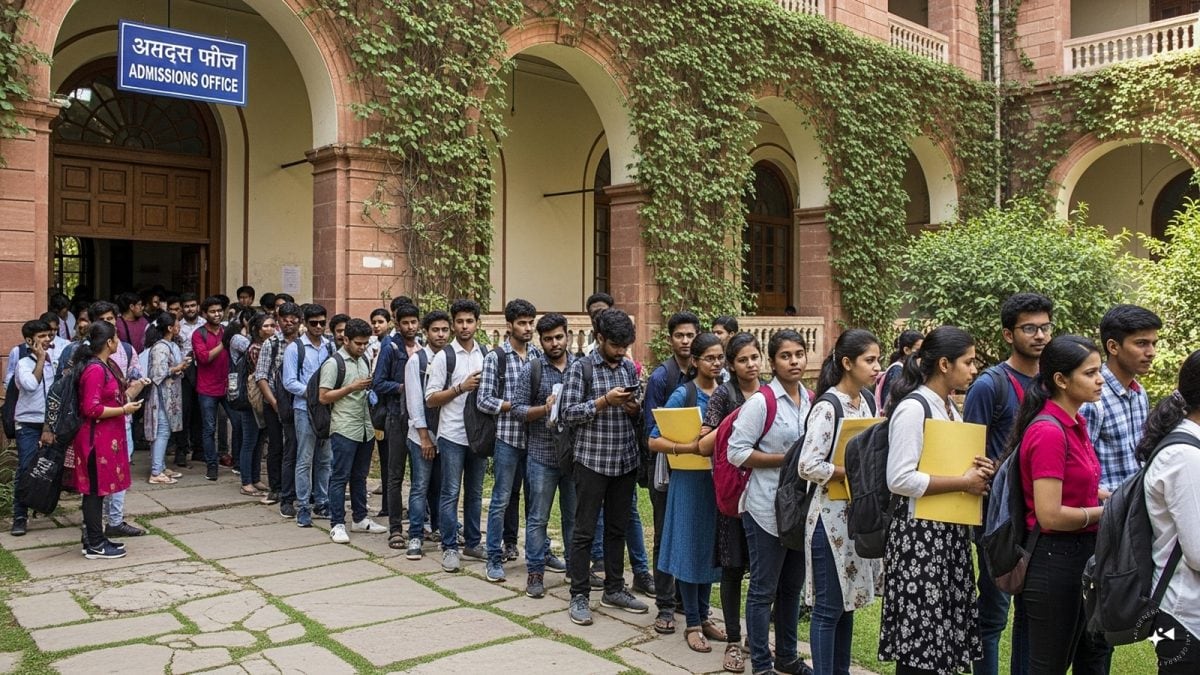
Honestly, the whole waiting thing felt like a long cricket inning – you sit there, you imagine the outcome, you keep checking the scoreboard in your head. I remember sitting in my tiny bedroom in Bhopal, with a cup of chai that my mother kept refilling, scrolling through news sites every hour. The buzz around the state was that MP Board Result 2026 would come out somewhere between the 15th and the 20th of April. That window kept me on edge, because the board usually holds a press conference around 1 pm or 4 pm, and right after that the links on mpbse.nic.in and mpresults.nic.in go live. It’s like a tiny ritual – we all keep the phone ready, ready to type in the roll number the moment the site flickers.
What added to the anticipation was the sheer number of students involved – more than 16 lakh of us appeared for either the 10th or 12th exam this year. That’s a huge crowd, and you can see why the board has a set process for announcing the results. For me, it was a mix of excitement and fear – excitement because finally I would know if the hard work paid off, fear because a single digit could change the whole plan for college.
How the Marks Are Calculated: The MP Board Result Marking Scheme
Before the numbers appear on the screen, it helped me to understand how those numbers were actually put together. For Class 10, the total is 100 marks, split into 75 marks for the theory part and 25 marks for internal assessment or project work. The board requires at least 33 percent aggregate to clear the exam – that means you need 33 marks out of the 100. Simple, right? But the internal assessment can be a hidden factor – if you missed a project, those 25 marks could be your downfall.
Class 12 is a little more varied. Non‑practical subjects like History or Mathematics follow an 80 + 20 pattern – 80 marks for theory and 20 marks for internal assessment. On the other hand, practical subjects (think Science, Biology, Chemistry) go for a 70 + 30 split, where the practical work carries more weight. Also, you have to pass both the theory and the practical part separately – you can’t rely on a high theory score to make up a failed practical.
All this sounded a bit confusing at first, but once I wrote it down on a notebook, it became clearer. I even made a small table for myself, just to see where I might be vulnerable. That little habit saved me from panic when the result finally popped up.
Step Marking – A Blessing for Those Who Struggle With Math or Accounts
One of the newest things this year is step marking. I heard about it from a senior who had taken the exam last year, and it felt like a lifesaver. Basically, the board gives you marks for the correct steps you take, even if the final answer is wrong. Imagine you’re solving a math problem – you write down the formula, you substitute the numbers correctly, but you slip at the last digit. Under step marking, you could still fetch half or more of the total marks for that question.
From what I’ve read, this method can increase the chances of passing by about 20‑25 percent because it rewards effort and logical thinking, not just the final answer. It’s a bit like how in many Indian schools we used to get partial credit for showing work. The UP Board is also starting to use this system, so it feels like a positive move across states.
Personally, I was relieved because I was never the strongest at math. Knowing that my steps would count gave me a little extra confidence while writing the paper. It also meant that when I finally looked at my result, I could see exactly where the board gave me step‑marks – a transparent way to understand my score.
Checking the Result: A Simple Step‑by‑Step Guide
When the board finally declared the outcome, the process to see your marks was pretty straightforward. First, I opened the official website – either mpresults.nic.in or mpbse.nic.in. Both sites have a clear link titled ‘HSC (10th) Result 2026’ for the 10th and ‘HSSC (12th) Result 2026’ for the 12th. I clicked on the appropriate link, and a small form popped up asking for my 9‑digit roll number and the 8‑digit application number. After typing those in, I pressed ‘Submit’ and, poof, the marksheet appeared on the screen.
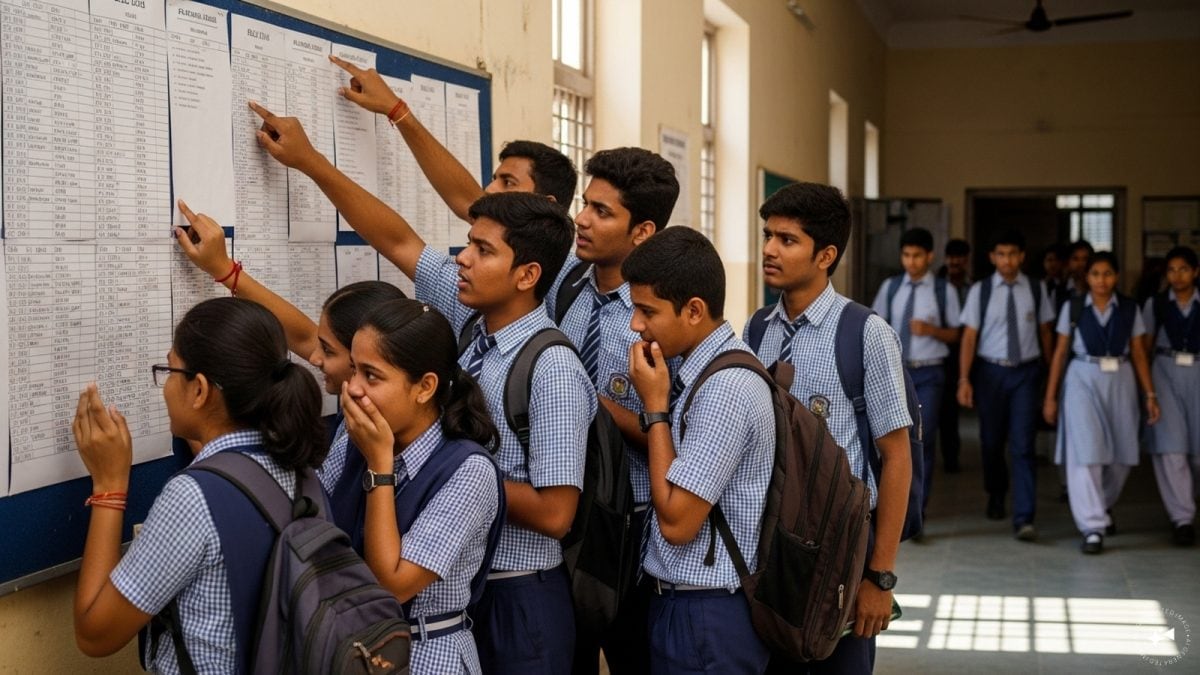
For many of us, this felt like a moment of truth. The screen would show the subject‑wise breakdown, total marks, and of course whether we passed or not. Some students printed the page, some saved a screenshot – habits differ. I remember sharing the screenshot on WhatsApp with my friends, half‑joking that we were now official ‘result holders’.
If you face any trouble with the site – maybe it’s slow because of traffic or you typed the numbers incorrectly – the board usually restores access after a short while. Patience is key, just like waiting for a train to arrive on a crowded platform.
If the Marks Aren’t What You Hoped: What to Do Next?
Sadly, not everyone gets the result they dream of. I know a few classmates who were shocked by the numbers – some even failed a couple of subjects. But the board has a safety net. The Madhya Pradesh government runs what they call the “Ruk Jana Nahi” scheme. In plain English, it means you don’t have to pause your studies – you can re‑appear in the same academic year without losing the whole year.
Another option is the MP Board Compartment Exam. If you have failed in one or two subjects, you can apply for this supplementary exam, usually held in June. The application forms are released about a week after the main result, and you get a chance to improve your marksheet without starting fresh.
It’s not the end of the world if you don’t clear all subjects in the first go. Many students end up in the compartment route and still secure seats in good colleges, because the final merit list often includes compartment scores.
Re‑checking and Photocopy Requests: How to Challenge a Score
Sometimes, you might feel that a particular answer was marked wrongly, or the internal assessment score doesn’t look right. In that case, MP Board allows a re‑checking process. Within 15 days of the result declaration, you need to log onto the ‘MP Online’ portal and apply for ‘re‑totalling’ or a ‘photocopy of the answer sheet’. There’s a fee attached – usually between Rs 200 and Rs 500 per subject – which is fairly reasonable.
I heard from a senior that the re‑checking system is quite transparent – they send the revised marksheet to the same address you provided earlier. It can be a bit of a hassle, but if you truly believe there’s an error, it’s worth the effort. The board usually processes the request within a couple of weeks, and you get notified when it’s done.
Remember, the fee isn’t huge, but you should only apply if you have a genuine reason. Randomly asking for re‑checking just to hope for a better mark can waste both time and money.
Compartment Exams 2026: The Second Chance
For those who need that extra push, the MP Board Compartment Exams 2026 are scheduled for June. The timeline is fairly tight – the application forms become available about a week after the main results, and you have to fill them in quickly. The exams themselves are usually less stressful than the main ones; the paper is shorter, and the board tries to make the grading a bit easier for those who are just trying to clear a subject.
The results of the compartment exams typically come out by the end of July. That gives students enough time to apply for college counselling or entrance exams that happen later in the year. It’s a relief for many families, because it means the academic year can continue without a big gap.
From my own observation, students who sit for the compartment tend to study smarter – they focus only on the weak subjects, often with the help of private tutors. It’s a focused sprint rather than a marathon, and most of them manage to improve their scores enough to meet the eligibility criteria for their desired courses.
Final Thoughts: Staying Calm and Planning Ahead
Looking back, waiting for MP Board Result 2026 was a roller‑coaster, but also a learning experience. The key thing I realized is that the result is just one part of the bigger picture. Whether you score high, average, or low, there are always options – be it the “Ruk Jana Nahi” scheme, compartment exams, or re‑checking. The board’s marking scheme, step‑marking system, and the online process are all designed to be transparent, even if at times they feel a bit bureaucratic.
If you’re reading this while still waiting for your own result, take a deep breath. Have a cup of tea, talk to your family, maybe even browse a few study videos – keep yourself busy. And if the score isn’t what you wanted, remember that many successful people had to clear a compartment or re‑appear once or twice. The important thing is to keep moving forward.
So, keep an eye on the official portals around the 15th‑20th of April, note down your roll number safely, and be ready to check the marks the moment they go live. Whatever the outcome, there’s a path ahead, and you’ll figure it out – just like we all do, one step at a time.