Is the 2026 hybrid formula on the chopping block?
Honestly, it feels like the whole hype around the shiny new hybrid rules might be fading faster than a monsoon cloud. I’ve been following the latest news India buzz, and a lot of people are wondering whether the sport will keep the 50‑50 power split or go for a big shake‑up by 2027.
What started as a grand promise a near‑equal mix of internal combustion engine (ICE) power and electric battery boost is now getting a lot of flak. Drivers are saying it’s turned races into a sort of energy‑management game, and that’s not what fans signed up for.
The 50/50 problem why drivers are not happy
Under the 2026 regulations, a car’s power output is roughly split about 400 kW from the ICE and 350 kW from the electric motor. In theory it sounds balanced, but on the track it feels anything but. Many drivers have complained about being forced into “lift‑and‑coast” driving. Basically, they have to back off the throttle a lot to conserve battery life, which makes the race feel more like a marathon of fuel‑saving rather than a sprint of raw speed.
This has created a strange situation: when a car has a fully charged battery, it can suddenly surge ahead, but the moment the battery level drops, the same car can lose pace dramatically. That inconsistency has not only made the competition uneven but also raised some serious safety worries.
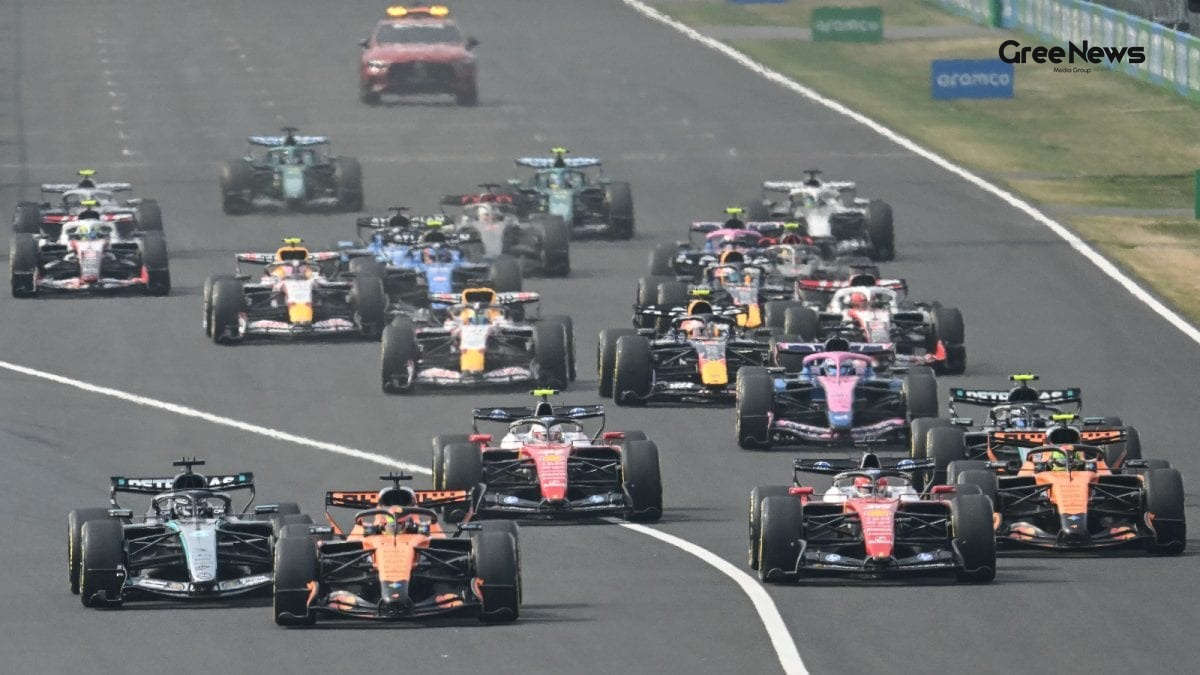
One incident that really pulled the spotlight on this was Oliver Bearman’s crash at the Japanese Grand Prix. The crash highlighted how quickly speed can change when the electric component kicks in or falls off. Many fans and pundits called it a ‘wake‑up call’, and you could say the story went viral in the racing community.
FIA’s first response minor tweaks for Miami
The Federation Internationale de l'Automobile (FIA) didn’t stay silent for long. They announced a set of adjustments that are supposed to roll out at the upcoming Miami Grand Prix. The changes are aimed at smoothing out the electric deployment, so drivers won’t feel the sudden power drops as much.
According to The Race, these tweaks only tackle about 20 % of the core issue. In most cases, they’re more like a band‑aid than a cure. That’s why a lot of the paddock is still buzzing about bigger, more fundamental changes.
People on social media were already sharing the news, and it quickly turned into trending news India. The discussion was full of speculation will the FIA go further, or will they stick with these minor fixes?
A radical shift on the table the 75/25 proposal
Now, here’s the part that really got everyone’s attention. Inside the FIA’s corridors, there’s talk of a dramatic overhaul of the power balance. The idea being floated is to move away from the near‑equal split and head towards something more like a 75‑25 ratio roughly 650 kW from the ICE and just 200 kW from the electric battery.
What this would do is bring the sport back to its traditional high‑power identity while still keeping a hybrid element for the sake of sustainability. The proposal even suggests allowing a slightly higher electric deployment during races about 350 kW to keep overtaking possibilities alive, because that’s one area where the current regulations haven’t fully delivered.
Many people were surprised by how quickly this idea seemed to gain traction. It’s like the sport is trying to find a middle ground between pure speed and Green technology. The conversation is definitely part of today’s breaking news cycle, and you can feel the excitement building.
Why a quick fix isn’t possible
Simple answer: timing. Teams have already poured years of research and huge sums of money into building power units that fit the current 50/50 framework. Pulling the rug out now would cause chaos both technically and financially. That’s why the window being eyed is 2027 or even 2028. It gives manufacturers a few extra seasons to re‑engineer their engines without throwing the whole sport into disarray.
In most cases, a change of this magnitude needs careful planning. The FIA would have to coordinate with every team, ensure the new specifications are clear, and give the manufacturers enough runway to design and test the new units.
What’s interesting is that despite the challenges, many insiders feel the pressure is mounting. Fans are getting restless, and the sport can’t afford to ignore the growing criticism.
What could happen next?
If the FIA decides to go ahead with ditching the 50/50 era, they’ll need to announce a firm decision within weeks. That way, manufacturers can start the redesign process early enough to have the new power units ready for the 2027 season.
There’s also a possibility of a phased approach maybe a gradual reduction of the electric share over a couple of seasons, rather than an abrupt switch. That would give teams a smoother transition and could keep the sport’s financial health intact.
The story is still unfolding, and many people are waiting to see which direction the governing body chooses. One thing’s for sure this debate has captured the attention of racing fans across the globe, and it’s definitely part of today’s viral news cycle in the motorsport world.
Why it matters for the fans
From a fan’s perspective, the crux of the matter is simple: we want to see close, wheel‑to‑wheel racing, not a game of energy conservation. The current hybrid rules have turned some races into a tug‑of‑war between a battery‑charged car and one that’s running low on juice, which can be confusing for casual viewers.
Changing the balance back to a higher ICE contribution could bring back that raw speed that made F1 iconic in the first place, while still keeping a foot in the sustainability door. It’s a sweet spot that could satisfy both traditionalists and the newer, eco‑conscious audience.
That’s why the whole discussion has become part of the broader India updates on global sports people want to know if the sport is evolving in a way that keeps the excitement alive.
Final thoughts the road ahead
All in all, the hybrid era’s future hangs in a balance. The FIA’s willingness to entertain a massive shift shows they’re listening, but the practicalities of redesigning engines mean we won’t see a change overnight. The next few months will be crucial. If a decision is taken soon, we could be looking at a fresh set of rules that make the 2027 season the start of a new chapter.
Until then, the paddock will keep buzzing, fans will keep debating on forums, and the sport will keep racing under the current hybrid setup albeit with a few tweaks here and there. Keep an eye out for the next round of announcements; they’ll likely become the next piece of trending news India you’ll want to share with your friends.
What happened next? Well, only time will tell, but one thing is certain Formula 1 is at a crossroads, and the choice it makes could shape the sport for years to come.