What makes Vishu so unique?
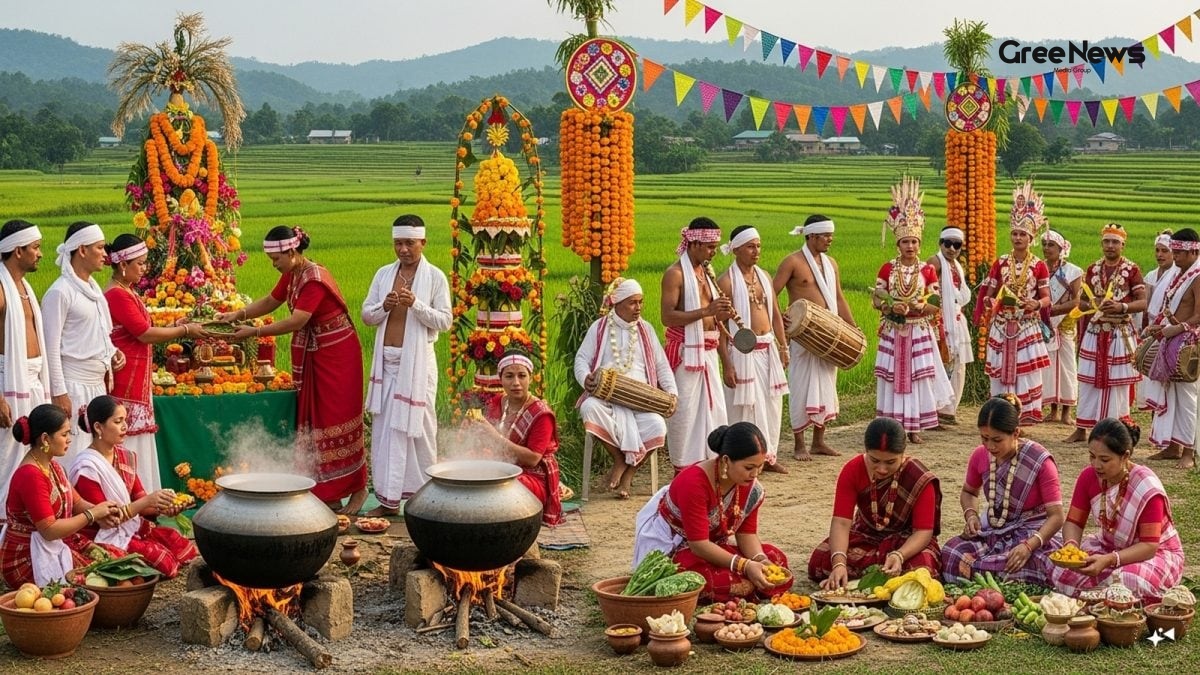
Honestly, every time I talk about Vishu with my friends, the first thing that pops up is the excitement of a new year that’s very much rooted in harvest and hope. It’s the Malayalam New Year, the day when the month of Medam begins, and the whole of Kerala lights up with colourful rangolis, festive meals and the sweet sound of drums. It’s one of those occasions that feels both grand and homely you get the buzz of a public festivity while still sitting on the floor of your own home, sharing pappadam and banana chips with relatives.
What really caught people’s attention this time is the way the tradition of Vishukkani has taken centre stage in all the latest news India feeds. You’ll see breaking news stories about temples opening early for the Kani Muhurat, families posting videos of their sunrise arrangements, and even viral news clips showing kids’ reactions when they see the first sight of the day. It’s that mix of the old and the new that makes Vishu a trending news India moment every year.
Understanding the Kani Muhurat why dawn matters
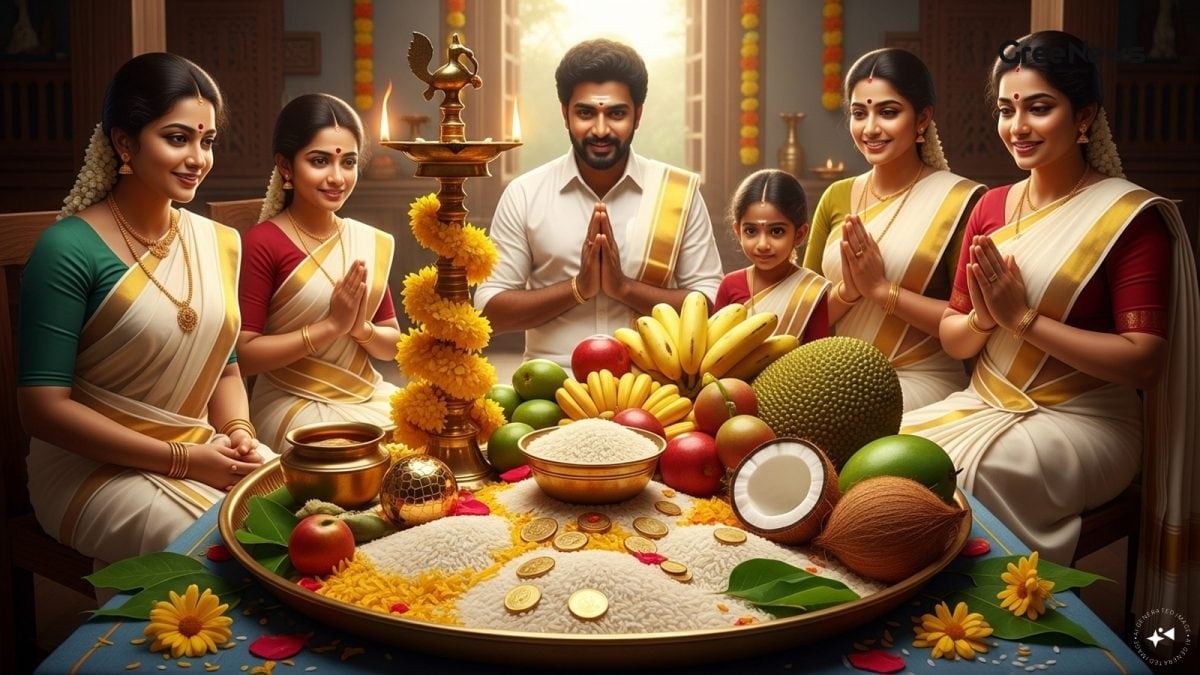
Now, the real magic of Vishu happens before the sun even peeks over the horizon. This early‑morning window is called the Kani Muhurat literally the ‘auspicious time for the first sight’. In most households, we rise around 4 am, light a brass lamp (nilavilakku), and arrange the Vishukkani on a tray. The belief is simple: the first thing you see sets the vibe for the whole year. If you start with a beautiful, hopeful view, prosperity is said to follow.
It’s a practice many of us grew up with, and it still feels fresh every time. I still remember my mother carefully placing a glistening gold coin next to a bowl of fresh mangoes, and the whole family gathering around the mirror to catch a glimpse of themselves reflected amidst the offerings. That moment, right before sunrise, feels almost cinematic the glow of the lamp, the cool morning air, the rustle of leaves outside, and the quiet hum of the world waking up. It’s no wonder this ritual keeps popping up in viral news and social media feeds across India.
What exactly goes into the Vishukkani?
If you’ve never set up a Vishukkani, the list of items can look a bit overwhelming at first, but each piece has a story and a purpose. Here’s a rundown of the classic elements, explained in a way that even a teenager can understand because, trust me, we all need a quick cheat‑sheet during the hustle of the morning.
- Raw Rice Symbolises abundance and the staple of our diet. A handful of uncooked rice reminds us of a bountiful harvest.
- Gold or Coins Represents wealth and financial stability. In many homes, a small pot of gold jewellery or a few coins is placed near the centre.
- Fruits & Vegetables Seasonal produce like mangoes, jackfruit, banana and drumsticks. They stand for health, nourishment and the promise of a good harvest.
- Kanikonna Flowers The bright yellow blossoms of the Cassia fistula tree, popularly called ‘golden shower’. They are the emblem of Vishu and symbolize happiness.
- Mirror Placed so you can see your own reflection. It signifies self‑realisation and clarity of the future.
- Betel Leaves & Nuts Traditionally used in Indian rituals, they convey good luck and blessings.
- Gold Jewellery or Ornaments Like a thin gold chain or a simple bangle, these invoke prosperity and the divine blessings of wealth.
- Coconut & Betel Nuts Symbolic of purity and devotion, the coconut is often broken as an offering.
- A Brass Lamp (Nilavilakku) Lit at the start of the ceremony, it invites light and positivity into the household.
Every family might have a slight variation my aunt adds a little sweet jaggery, while my cousin’s family likes to place a tiny statue of Lord Vishnu in the centre. The core idea remains the same: each element is chosen carefully to bring forth a specific kind of good fortune.
How to set up your own Vishukkani step by step
Alright, let’s get practical. If you’re reading this because you want to try the ritual yourself, here’s a simple guide that even a busy professional can follow before heading to the office.
- 1. Choose a clean tray or shallow bowl It doesn’t have to be fancy; a stainless steel tray works perfectly.
- 2. Lay the raw rice as a base Spread a thin layer evenly; think of it as the canvas.
- 3. Place the mirror in the centre Make sure it’s stable, so the reflection doesn’t wobble.
- 4. Add the gold items A few coins or a small gold chain can be arranged in a neat pile.
- 5. Arrange the fruits and vegetables Position them around the mirror, with the colourful kanikonna flowers on top for that pop of yellow.
- 6. Put betel leaves, nuts, coconut pieces These go on the side, creating a balanced look.
- 7. Light the brass lamp Light it just before sunrise, and let its flame illuminate the whole setup.
Once everything’s ready, gather the family, close your eyes for a moment, and then open them to see the Vishukkani for the first time. The feeling of seeing your own reflection amidst all those auspicious symbols is surprisingly uplifting. Many people say it’s the perfect way to start the day with a smile.
Personal anecdotes why this ritual matters to me
Let me share a small story. A few years back, I moved to Delhi for work and missed the chance to be with my family during Vishu. I decided to recreate the Vishukkani in my rented flat. I bought a handful of raw rice from a local Indian store, fetched a few gold coins from my jewellery box, and even managed to get a branch of kanikonna from a neighbour. When I lit the brass lamp at dawn, the whole room felt warm and familiar, despite being far from home. That experience taught me that the ritual isn’t just about being in Kerala it’s about carrying the spirit of hope wherever you are.
Another time, my cousin’s kids were so excited that they started dancing around the tray, thinking the mirror would show a magical princess. Their laughter filled the house, and later, when we explained the meaning behind each item, they were eager to pick the next year’s fruit. Moments like these make the tradition come alive and keep it relevant for the younger generation a fact that’s been highlighted in many breaking news pieces about Vishu celebrations across the country.
Vishu in the wider Indian context why it’s trending
Every year, “latest news India” portals feature special segments on Vishu, showcasing how people from different states incorporate their own customs while respecting the core ritual. In the past month, several viral news articles reported on schools organising special Vishu programmes, and even some corporate offices in Bangalore and Hyderabad held early‑morning Vishukkani displays for their employees.
This year, the buzz was especially strong because of a short documentary that captured the sunrise over the backwaters of Kerala, with families arranging Vishukkani on floating rafts. That clip went viral, sparking a wave of social media challenges where people posted their own sunrise setups. It’s a clear example of how traditional festivities can become trending news India topics, bridging generations and regions.
Common questions and quick quiz
Many readers ask: “Do I really need to see the Vishukkani before sunrise?” The answer is yes, if you want the full experience, because the belief is that the very first visual impression of the day carries auspicious energy. However, if you miss it, don’t worry you can still arrange the items later in the day and hold the intention in your heart.
Here’s a quick quiz for you, just for fun (you can even share it on WhatsApp with your family):
What is the main purpose of the mirror in the Vishukkani?
- A. To reflect the sunlight
- B. To see your own face and signify a clear future
- C. To hold the gold coins
Answer: B. Seeing your own reflection is believed to bring clarity and positivity for the year ahead.
Feel free to add a few more questions like these during your family gathering it keeps the kids engaged and the conversation lively.
Wrapping up why you should not miss the dawn sight
To sum it up, Vishukkani is more than a decorative tray it’s a heartfelt expression of hopes, prayers and cultural identity. Experiencing it at dawn adds a layer of serenity that you simply can’t replicate later in the day. Whether you’re watching the sunrise over a paddy field in Kerala or lighting a small lamp in a city apartment, the essence stays the same.
So, if you’re planning to celebrate Vishu this year, set your alarm a bit early, gather the traditional items, and enjoy the quiet moment of looking at your Vishukkani. Trust me, the sense of optimism that follows will stay with you throughout the year, and you’ll have a great story to share in the next viral news update or family gathering.
Happy Vishu to everyone reading this may the new year bring health, wealth, and countless joyful mornings!