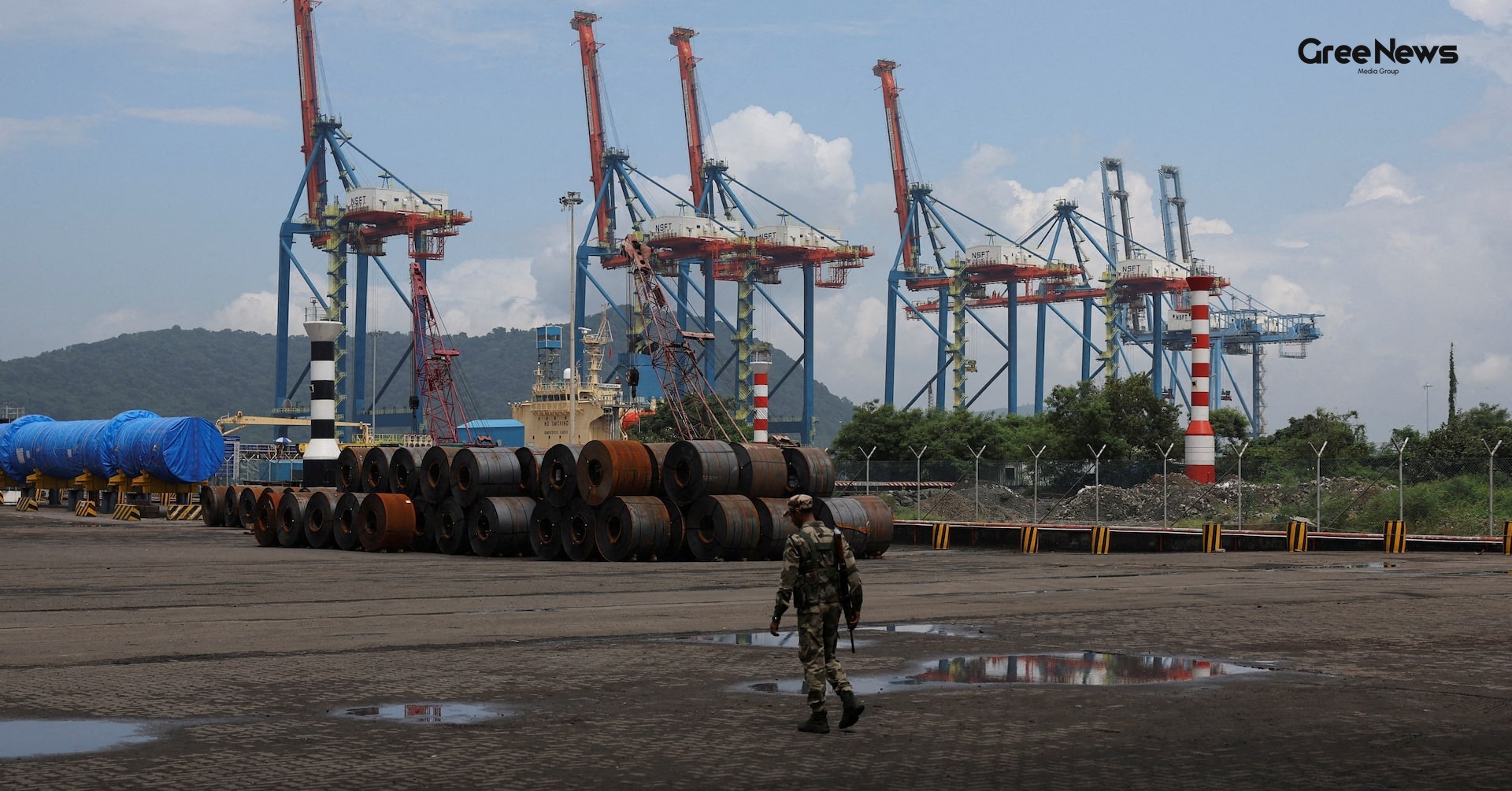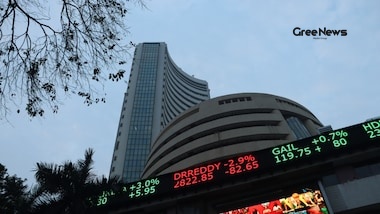
The primary catalyst behind the recent upmove is optimism around a possible de‑escalation in US‑Iran tensions
Honestly, when I first saw the numbers on my phone early this week, I thought it was a glitch. The BSE Sensex had jumped nearly 800 points, touching an intraday high of 79,293, and the Nifty 50 was nudging past 24,500. I was watching the ticker while sipping my chai at the office, and the buzz among my colleagues was palpable everyone was talking about the same thing: maybe the US and Iran are finally moving towards a truce.
What happened next is interesting. The news outlets kept pushing the story that fresh negotiations could be on the cards in Pakistan, and that a two‑week cease‑fire announced earlier this month might be extended. It felt like breaking news that could change the mood of the whole market. In fact, the trend continued for three straight sessions, and I started noticing how the sentiment shifted from cautious to cautiously optimistic a subtle but real change that many investors, including myself, could feel in the air.
What’s driving the rally?
From my perspective, the biggest driver is the hope that the US‑Iran standoff will ease. When geopolitical risks soften, it’s like the heavy clouds finally part over Mumbai the air feels lighter, and everyone breathes a little easier. Media reports suggested that talks could resume soon, just before the cease‑fire expires, and that fed‑up investors were starting to look for any positive signal.
Another factor that caught my eye was the dip in crude oil prices. Brent Crude slipped just about 1% on the same day, which is a relief for an import‑dependent economy like ours. Lower oil prices usually mean less pressure on inflation, and that translates into better corporate margins. It’s the same reason why my brother, who runs a small garment shop, was happy to see fuel costs drop it helped him keep his costs down.
“Any progress on a US‑Iran deal would significantly reduce macro‑economic concerns, especially those linked to elevated crude prices and input costs,” said Pankaj Pandey of ICICI Securities. I remember quoting that line in a WhatsApp group because it summed up the mood perfectly.
Vinod Nair of Geojit Investments added that the rally could stay strong if a truce is finally sealed, as it would take away a major overhang for the market. It’s a simple logic, but it resonated with many of us who have been watching the market roller‑coaster for months.
Besides the big‑picture stuff, there’s a quieter but equally important trend the slowdown in foreign institutional investor (FII) outflows. After a heavy sell‑off in March, the pace of outflows has eased in April, signalling that confidence is slowly returning.
Can Sensex hit 85,000?
Now, let’s talk numbers. I’ve often been asked whether the Sensex can really climb to 85,000. Ajit Mishra of Religare Broking believes that if crude oil prices fall sharply say from the current $95 per barrel to around $86 the Sensex could very well breach the 85,000 barrier. That caught my attention because it ties the equity market’s fate directly to global oil dynamics.
Pankaj Pandey, on his part, estimates a potential 10% upside for the benchmark indices if the geopolitical tension eases, which would push the Nifty 50 beyond the 25,000 mark. It’s a bold call, but when you see the market reacting positively to early optimism, it feels plausible.
Vinod Nair remains constructive as well. He points out that while there might be some earnings downgrades because of the earlier oil price spikes, a peace deal would trim down the downside risk considerably. He even mentions that the Nifty 50 could reach 27,000 by the end of the year if things stay on this track, recommending a buy‑on‑dip strategy.
Many people were surprised by how quickly sentiment turned around we went from fearing a deep sell‑off to dreaming of new record highs in a matter of days. That’s the kind of volatility that keeps market watchers on their toes.
Earnings outlook remains key
Even though the headline news is the US‑Iran talks, I keep reminding myself that corporate earnings are the backbone of any rally. Analysts warn that the fourth quarter could look a bit muted because of base effects essentially, the previous quarter was strong, so the growth percentage will naturally look softer.
However, there’s a silver lining. If crude prices stay stable or continue to drop, input costs will ease, which should help margins. That would be a positive signal for the upcoming Q1 FY27, when many companies will report their first full‑year results after the price shock.
In my own small portfolio, I’ve started shifting some funds to sectors that are less sensitive to oil price swings think IT and consumer staples while still keeping a slice in energy because lower oil prices can boost the profitability of domestic refiners.
Overall, the market feels poised for further gains, but the path ahead will largely depend on how the US‑Iran negotiations unfold and where global crude settles. It’s a scenario that’s keeping both seasoned traders and everyday investors like me glued to the screen.
Curiosity hook: what could change the game?
One thing I keep thinking about is what would happen if the talks stall again. A sudden spike in oil prices could reverse the positive momentum in a heartbeat. That’s why I’m paying close attention to daily oil price movements they’re like the market’s pulse.
There’s also the possibility that other global events, such as European elections or Chinese manufacturing data, could spill over into Indian markets. In most cases, however, the US‑Iran story remains the dominant narrative right now, driving what I’d call the “trending news India” of the week.
So, to sum it up, the Sensex is riding a wave of optimism that could take it to new heights, but it’s also walking a tightrope. As an Indian investor, I’m keeping a balanced view hopeful, yet ready to act if the story takes a turn.