How I First Heard About the Pawan Khera Bail Drama
Honestly, I was scrolling through my phone this morning, trying to keep up with the latest news India offers, when a headline about the Gauhati High Court caught my eye. It said something about the Assam government being scolded over a bail plea. I thought, “Oh, that’s another political squabble,” but the more I read, the more it turned into a full‑blown courtroom saga that felt almost like a Bollywood thriller.
What happened next is interesting the article mentioned that the bench was visibly upset because the Advocate General of Assam was missing from the hearing. In most cases, the state’s top law officer would be there to defend the government’s stance. Their absence, the judges said, warranted at least a written reply, something that the state apparently failed to file.
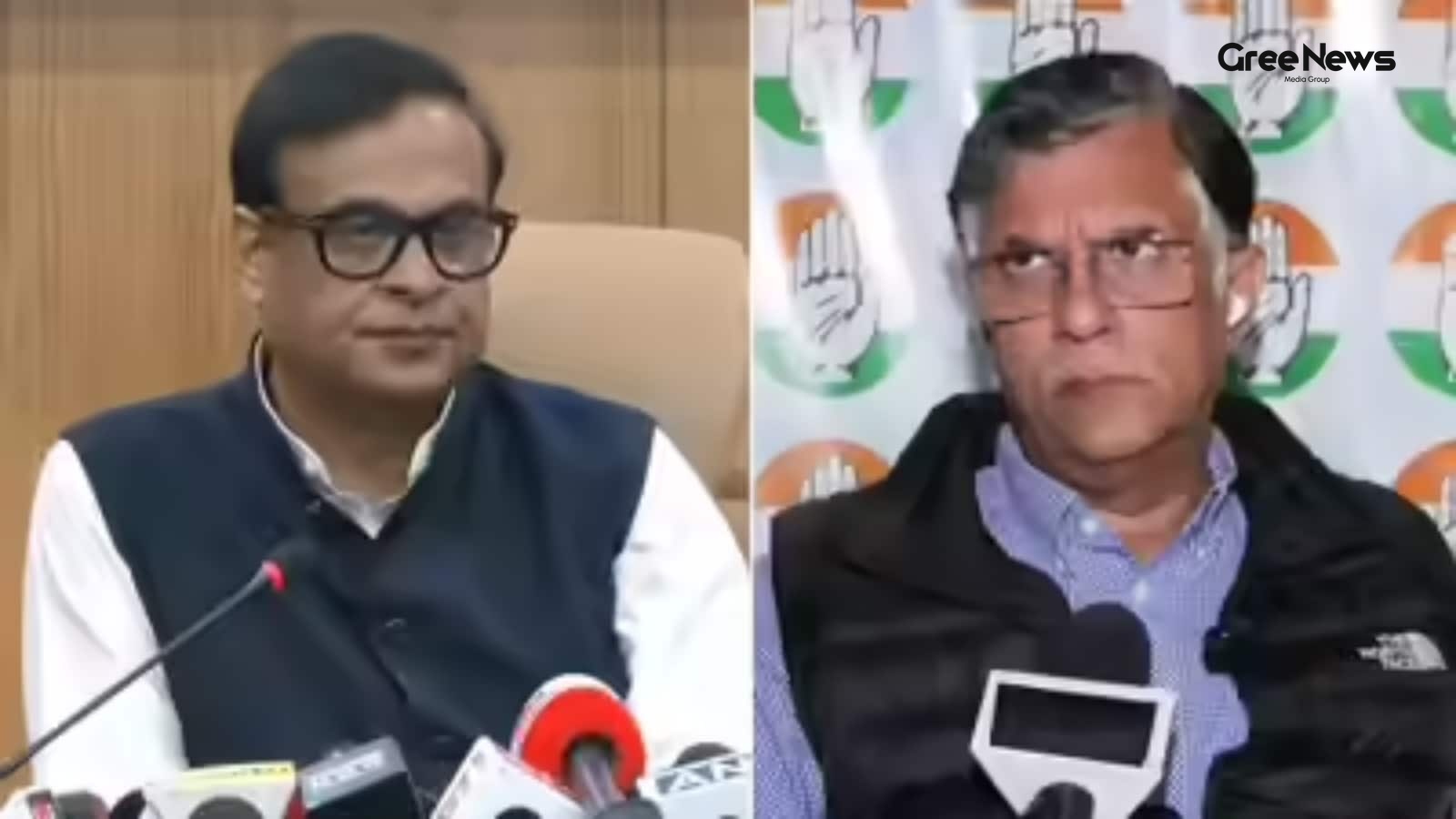
So, I decided to dig deeper, not just because it was breaking news, but also because the name Pawan Khera kept popping up. He’s a senior Congress leader, and the case against him is tied to a criminal complaint filed by Riniki Bhuyan Sharma, the wife of Chief Minister Himanta Sarma. The whole thing smelled of political vendetta, especially with elections on the horizon.
Setting the Stage: The Defamation Case Details
Let me walk you through what the case actually involves, because the legal jargon can be a bit dense. The complaint, lodged by Riniki Bhuyan Sharma, alleges that Pawan Khera made serious accusations about her husband’s family owning three foreign passports from the UAE, Egypt and Antigua‑Barbuda and having two properties in Dubai as well as hidden assets in shell companies. Those claims are not just political mud‑slinging; they are potentially criminal under the Bharatiya Nyaya Sanhita.
Specifically, the FIR lists several sections: 175 (false statement in connection with an election), 35, 36, 318 (cheating), 338, 337 (forgery of valuable documents), 340 (using forged documents as genuine), 352 (intentional insult to provoke breach of peace), 356 (defamation) and a few others. In usual legal talk that may sound like a long list, but what it means is that the state is treating the allegations very seriously not just as political rhetoric.
Now, here’s where the story gets twisty. The Assam police tried to serve a notice at Khera’s Delhi residence, but he wasn’t home. Rather than waiting around, Khera rushed to the Telangana High Court for what’s called a “transit anticipatory bail.” The court granted him a short‑term protection, essentially a week-long shield from arrest while the matter sorted out.
But the drama didn’t stop there. The Assam Police appealed to the Supreme Court against that bail, and the apex court promptly stayed the Telangana order. In simple terms, the stay means Khera’s protective shield was lifted, and he could be taken into custody if the Assam authorities decided to move forward.
The Supreme Court also made it clear that if Khera files another anticipatory bail petition in the Assam jurisdiction, the previous stay won’t affect that future application. That sentence alone sparked a lot of discussion among legal circles and even made it into viral news feeds.
Inside the Gauhati High Court: What the Judges Said
When the hearing finally happened at the Gauhati High Court, the bench didn’t waste any time. The chief judge, looking a bit impatient, pointed out the glaring absence of the Advocate General. "At least a reply should have been filed by the state," the judge remarked, a comment that many legal analysts later quoted as a sign of the court’s frustration with bureaucratic delays.
Senior Counsel Abhishek Manu Singhvi, who was representing Pawan Khera, didn’t hold back either. He reminded the bench of a statement allegedly made by Chief Minister Himanta Sarma that seemed to put pressure on Khera. Singhvi argued, "On what basis can the petitioner expect fair treatment when the Chief Minister is breathing down his neck?" He added that Khera isn’t a flight risk, emphasizing that there’s absolutely no need for any arrest.
Then came K.N. Choudhary, another seasoned lawyer, who echoed Singhvi’s points. He called the allegations "scandalous" and said the whole package of accusations appeared to be crafted with "deliberate malice." In most cases, such strong language from senior counsel indicates that the defence is leaning heavily on the political motive argument.
What really caught people’s attention was the subtle way the judges handled the question of bail. While they didn’t outright deny Khera’s request, they made it clear that any future bail application would need to be filed in the proper jurisdiction meaning the Assam High Court and not in a distant court like Telangana. That’s a procedural nuance that often flies under the radar, but it matters a lot for legal strategists.
The Political Backdrop: Why This Case Matters Now
To understand why this case feels like more than just a legal tangle, you have to look at the broader political scene in Assam and the rest of India. The Himanta Sarma government has been on a winning streak, and with elections just around the corner, any challenge to the CM’s image is taken very seriously.
Riniki Bhuyan Sharma’s complaint against Pawan Khera appears, at first glance, to be about protecting her family’s reputation. But many political commentators see it as a strategic move to silence a vocal opposition figure ahead of the polls. This is a narrative that has been playing out across the country think of the many instances where high‑profile politicians have faced legal battles that coincide with election cycles. The timing, many argue, isn’t just a coincidence; it’s part of a larger pattern of political vendetta that fuels viral news stories.
Adding another layer, the Assam Police’s attempts to serve notice in Delhi and the subsequent appeal to the Supreme Court show that the state machinery is willing to go the extra mile to enforce the case. On the other hand, the fact that the Supreme Court stayed the bail order shows judiciary’s role in checking any overreach, turning the whole episode into a classic case of checks and balances a story that even the general public finds fascinating.
It’s also worth noting that the case has attracted attention beyond just the legal fraternity. Social media users have been sharing memes, creating hashtags, and debating whether the allegations are genuine or simply a political weapon. This level of engagement has turned the case into trending news India, keeping it alive on various platforms for days.
What the Supreme Court’s Stay Means for Khera
When I read about the Supreme Court’s decision to stay the transit bail, I tried to break it down for a friend who isn’t a lawyer. Basically, the stay means that the temporary protection Khera got from the Telangana High Court is put on hold. So, if the Assam authorities decide to move ahead with the criminal case, they can arrest him unless he succeeds in getting bail from the appropriate court in Assam.
But the Supreme Court also left a door open: if Khera files a fresh anticipatory bail petition in the Assam High Court, the earlier stay won’t affect the new application. In simple words, he still has a chance to get bail, but he must do it the right way, in the right place.
This nuance has been highlighted in many news portals as a crucial point, and it’s a classic example of why procedural details matter a lot in Indian law. Many legal blogs have used this as a case study, turning the story into a kind of educational viral news piece that even law students are sharing.
From a personal standpoint, I find it intriguing how the judiciary’s role is being portrayed in the media. Some outlets call it a check on political power, while others suggest it’s just a routine legal process. The reality, I think, lies somewhere in between the Supreme Court’s intervention undoubtedly adds a layer of complexity that keeps the public hooked.
Public Reactions and Media Coverage
Since the hearing, I’ve seen a flurry of comments on social platforms. Many people expressed surprise that the Advocate General didn’t appear, calling it a ‘big slip-up’ by the state. Others pointed out that the senior counsels’ arguments about political vendetta were spot on, especially given the looming elections.
One interesting observation that went viral was that the case seemed to intertwine legal, political, and media narratives, turning it into a perfect storm for breaking news. The phrase ‘political vendetta’ kept popping up in headlines across news portals, making the story a regular feature in the “latest news India” round‑ups.
Even television anchors started quoting the court’s remarks, and a few regional channels did a deep‑dive analysis, explaining the legal sections involved and why they matter. That kind of coverage helped ordinary citizens, who might not follow every court case, understand the stakes.
What really stood out to me was how the story kept evolving. After the Supreme Court’s stay, there were follow‑up pieces about Khera’s potential next move filing bail in Assam and about the government’s plan to possibly file a counter‑application. This constant stream of updates turned the case into a “must‑read” piece for anyone keeping tabs on trending news India.
My Takeaway: Why This Matters for Everyday Indians
At the end of the day, the Pawan Khera bail drama isn’t just about two political figures fighting in a courtroom. It’s a reminder of how legal battles can reflect deeper power struggles, and how those struggles seep into the everyday news feed of an average Indian.
For many of us, seeing the High Court call out the state for not having its top legal representative there sends a strong message about accountability. It reassures people that even powerful governments can be questioned in a court of law a sentiment that fuels hope and keeps the democratic spirit alive.
Moreover, the way senior counsels framed the defence around “political vendetta” strikes a chord with anyone who feels that politics often overshadows justice. It’s a narrative that resonates, especially when elections are near and the media is full of sensational stories.
Finally, the whole saga underscores the importance of following reliable sources and staying updated with the latest news India offers. Whether you are a student, a working professional, or a retiree, understanding the nuances of such cases helps you make sense of the larger picture the interplay between law, politics, and media that shapes our country’s future.
So, if you find yourself scrolling through your news app and see a headline about a high‑court scolding a state government, remember there’s often a whole backstory layered with legal intricacies, political motives, and public sentiment. That’s what makes following Indian updates so fascinating there’s always something new, something that keeps you hooked.