Seeing Measles Up Close: A Personal Journey
When I first started seeing patients in a busy paediatric clinic, it was almost routine to admit a child with severe measles. You’d often hear the parents whispering, "what if it turns fatal?" The complications were real pneumonia, encephalitis, and in some heartbreaking cases, death. It wasn’t just a headline you read in the latest news India; it was happening on the wards, every single week.
Back then, polio was another nightmare that we couldn’t ignore. It wasn’t something you read about in textbooks you saw it in the outpatient clinics, in children who came back with permanent disabilities and families trying to adapt to a new normal. Diarrhoeal diseases also filled the paediatric beds, pushing already fragile children to the brink.
All these illnesses formed a pattern that seemed unbreakable, until a game‑changing tool entered the scene vaccines.
The Turnaround: How Vaccines Shifted the Landscape
The moment the measles vaccine became a part of the routine immunisation schedule, you could feel the change in the hospital corridors. Fewer children came in with the classic red rash and high fever. The same happened with polio after a nationwide drive, the cases started to dwindle, and the disease that once terrorised entire neighbourhoods became something you heard about only in history classes.
But it wasn’t just these two diseases. Severe diarrhoea used to dominate paediatric admissions. Then, in the mid‑2010s, the rotavirus vaccine was introduced. Suddenly, the number of severe rotavirus‑related illness dropped dramatically. It wasn’t just a statistic; it translated into less distress for families, fewer hospital beds occupied, and happier children returning home sooner.
Fast forward to the COVID‑19 pandemic a period that felt like living through a never‑ending breaking news cycle. When the COVID‑19 vaccines were rolled out in early 2021, the relief was palpable. Not only did the severity of illness drop, but the whole health system finally got a breath of fresh air after months of overwhelm. It reinforced a lesson we’ve known for decades: vaccines are among the most powerful tools we have.
Vaccines Work Across Generations The Evidence I See Every Day
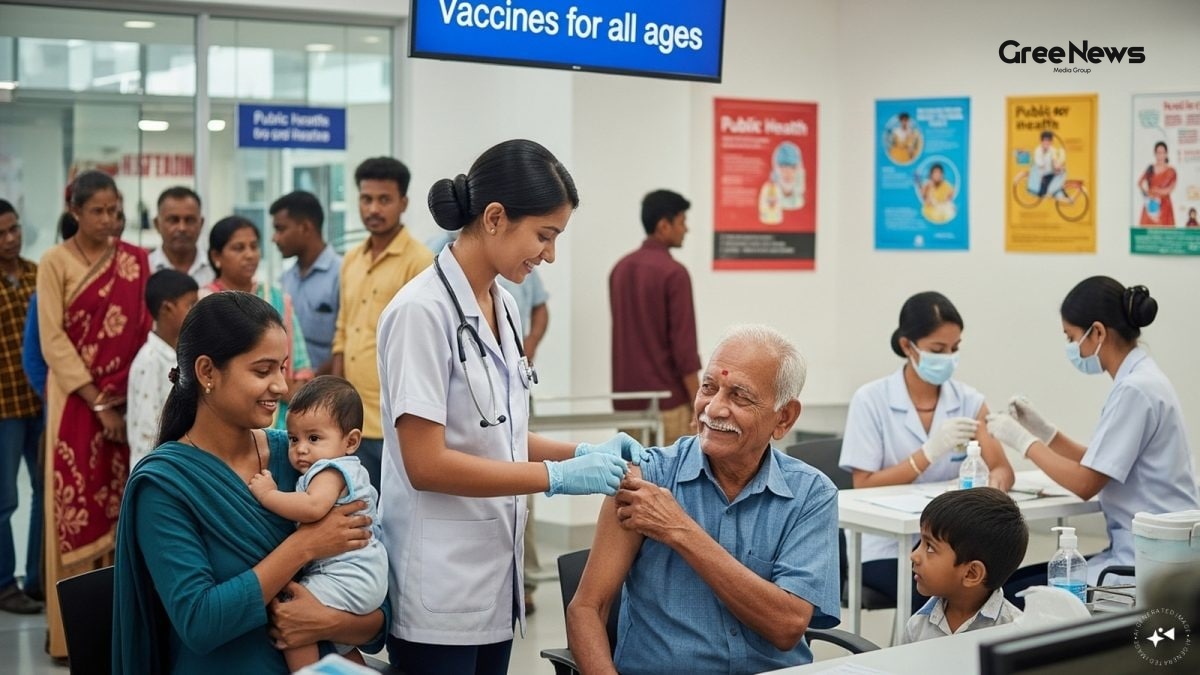
Working through different eras, I’ve observed a simple truth: vaccines save lives. Whether it’s a newborn getting the hepatitis B shot, a school‑age child receiving the measles‑mumps‑rubella combo, or an elderly patient taking the flu jab, the outcome is the same protection not just for the individual but for the entire community.
In my practice, I often explain to parents that immunisation is a collective shield. It protects the newborns who are too young for many vaccines, pregnant women whose immunity matters for their babies, and people with weakened immune systems who cannot rely on their own defence mechanisms. When vaccination rates dip, that shield gets holes, and diseases find a way back in.
That’s exactly what the recent measles resurgence is telling us. The data from the CDC shows more than a thousand confirmed measles cases spreading across twenty states, with multiple outbreaks after more than two decades of control. This isn’t because the vaccine isn’t available the supply is there but because fewer people are getting it.
It’s a classic case of "out of sight, out of mind". When a disease disappears from the daily conversation, folks start underestimating its impact. Questions arise, doubts grow, and misinformation often fills the vacuum.
Why the Drop? The Rise of Hesitancy
In recent years, vaccine hesitancy has been creeping into even well‑educated circles. As a clinician, I find that deeply worrying. When you see a community that once championed immunisation start to question it, the ripple effects are huge.
One reason is the success itself. The more we protect people, the less they see the disease, and the less they feel the urgency. Social media amplifies this, turning personal stories into viral news that can skew perception. Many people start believing that the risk of side‑effects from a vaccine outweighs the risk of the disease a belief that simply isn’t backed by science.
What caught people’s attention recently was how quickly measles sprang back in areas that once prided themselves on high vaccination coverage. That surprised many, and it sparked a conversation about the importance of community immunity a conversation that is now trending in the viral news space.
What Can We Do? Building Trust and Maintaining Coverage
From a medical standpoint, the solution is clear but requires effort. First, we need to keep vaccination schedules timely. Second, we must strengthen awareness campaigns that address concerns with empathy and clear evidence. And third, healthcare providers have a responsibility to build trust, not just through facts but by listening to fears and answering them respectfully.
In most cases, a simple conversation at the clinic can change a mind. I remember a mother who was hesitant about the measles vaccine because she read a misleading article online. I sat with her, explained how the vaccine has prevented countless deaths, and showed her the data from the hospital’s own records. She aGreed to vaccinate her child, and later told me how she felt relief knowing she had protected not just her baby but also the neighbour’s newborn.
Community programmes, school health drives, and even local festivals can become platforms for vaccination messages. When the message comes from familiar faces teachers, community leaders, even popular local influencers it resonates more.
It’s also crucial to counter misinformation quickly. Social media platforms need to promote accurate information, and health authorities should release clear, concise updates that are easy to share. As we see with trending news India, a well‑crafted piece of information can travel faster than a rumor if it’s backed by credible sources.
Looking Ahead: The Cost of Inaction
The cost of ignoring vaccine hesitancy isn’t theoretical. It’s visible in preventable illnesses, avoidable hospitalisations, and lives that could have been saved. If vaccination rates continue to slip, we risk seeing more outbreaks of diseases we thought were behind us measles, pertussis, even polio in rare pockets.
Every generation has benefited from vaccines, and each new generation depends on us to keep the shield strong. The science is robust, the outcomes are undeniable, and the stories from the frontlines keep reminding us of the stakes.
So, the question isn’t whether vaccines work we all know they do. The real question is whether we, as a society, will continue to trust them, support them, and ensure they reach every child, every adult, and every vulnerable individual.
In the end, protecting our community is a shared responsibility. It’s a conversation that needs to happen in homes, in clinics, in schools, and across the internet. When we all stay informed and proactive, the shield stays intact, and we can keep enjoying the health security that vaccines have given us for decades.