How the idea of ‘Hi’ took shape in my mind
Honestly, when I first thought of making a film that would make people smile without forcing any melodrama, I remembered the kind of movies I grew up watching with my family on Sunday evenings – films like Yaaradi Nee Mohini and Santosh Subramaniam. Those movies had that perfect blend of simple love, family drama, and a dash of humour that felt like a warm cup of masala chai on a rainy day. That's the vibe I wanted for my new project, which I later titled "Hi".
Writing the script, I kept one person in my head – Nayanthara. I have always admired her screen presence; she's like that reliable train that never misses its schedule, punctual and loved by everyone. While drafting the story, I could already see her in the role, delivering those nuanced expressions that speak louder than words. When I finally shared the script with her, she liked it instantly and even suggested we keep the title short and sweet. So, "Hi" it became – a single word that feels like a Greeting, an invitation, and a promise all at once.
Why Kavin turned up opposite Nayanthara
Most people felt a bit shocked when I announced that Kavin would be sharing screen space with Nayanthara. Usually, when you think of Nayanthara, you imagine a big‑name hero opposite her, right? But for this story, I wanted a fresh, relatable face – someone who could represent the everyday guy you might see at your local tea stall or the next seat in a commuter train.
Kavin fits that bill perfectly. He's the kind of guy who can walk into a cinema hall, order a large masala popcorn, and still feel at home. His vibe is simple, genuine, and he carries that earnestness that the story needed. The love story in "Hi" is the heart of the film, and having a new face made the romance feel more real, like two strangers meeting in an apartment block and slowly discovering each other's worlds.
In most cases, a star‑studded pairing can distract from the story. By choosing Kavin, we made sure that the audience’s focus stays on the journey of these two characters, not on the glamour surrounding them.
The story – a mature romance set in a humble apartment
Now, let me tell you a bit about the plot without giving away too much. The film follows a man who’s got a steady job – think of someone working a 9‑to‑5 in a call centre or a bank, the kind of steady job that most of us Indians aim for. He decides he wants to get married, but he’s not looking for any ordinary partner. He has a very specific idea of who he wants to spend his life with, and then he sets out on a journey to become the person she deserves.
The twist? He and the woman live in the same residential building, as tenants. Their daily interactions – borrowing sugar from each other, accidental meetings at the lift, hearing each other's late‑night cricket matches – give the romance a very grounded, everyday feel. It’s not a fairy‑tale castle; it’s a chawl, a society, a block where you can hear the aunties gossiping in the hallway. This setting brings out a sense of maturity – they’re not just falling in love; they’re learning to respect each other's space, responsibilities, and aspirations.
In my own life, I’ve seen many friends get married after months of living as neighbours, sharing electricity bills and morning chai. That simple yet beautiful connection is exactly what we tried to capture on screen.
How the title ‘Hi’ reflects the film’s core
People often ask me why a single word like "Hi" was chosen. In Indian culture, a simple Greeting carries a lot of meaning. When you say "Hi" to someone, you’re opening a door – a door to conversation, to possibilities, to something new. That’s the essence of the film: two strangers saying "Hi" to each other, stepping into each other's world, and eventually building a bond that goes beyond just a casual hello.
It also mirrors how the story unfolds – slowly, with small smiles and subtle gestures, rather than big dramatic entrances. In many ways, the title is like the first sip of filter coffee; you don’t know how sweet it will turn out till you take that first sip.
First look and what audiences can expect
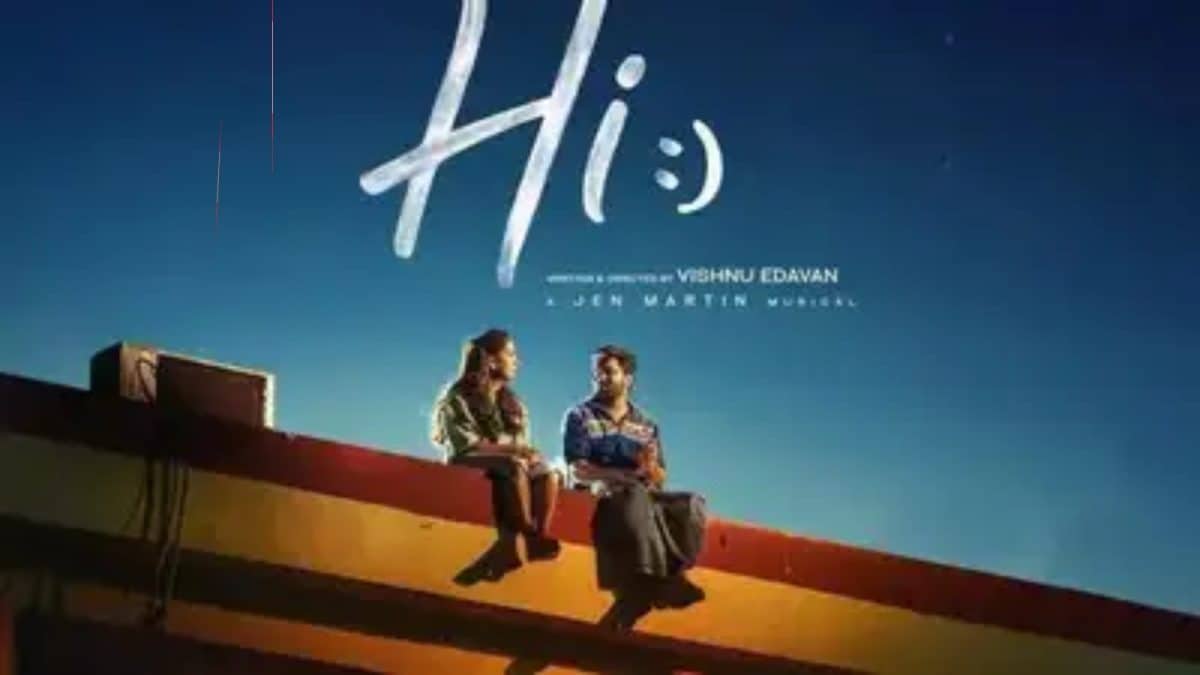
We released the first‑look posters a while back, and the response was heartening. Fans loved seeing Nayanthara in a more relaxed, everyday look – no elaborate costumes, just a simple saree and a warm smile that felt like she could be next door. Kavin, on the other hand, was shown in casual wear, holding a tea cup – a look that resonated with the common man.
From a technical standpoint, we kept the cinematography light and airy, using natural lighting to give the movie that breezy feel, much like shooting in a real neighbourhood rather than a studio set. The music also leans towards soft, acoustic sounds, reminiscent of the music you might hear playing from a neighbour’s balcony during a festive evening.
All these elements combine to make "Hi" feel like a slice of life that many of us can relate to – a love story that doesn’t need over‑the‑top drama, just genuine emotions.
What’s next for Nayanthara?
While "Hi" is gearing up for its summer release, Nayanthara is busy with a few other exciting projects. She will soon appear in "Toxic: A Fairytale for Grown‑Ups", starring Yash and directed by Geetu Mohandas. This film also brings together Kiara Advani, Tara Sutaria and Huma Qureshi in key roles. Though the exact release date is still under wraps, the filmmakers have hinted that it will hit the screens around the middle of the year.
Besides that, Nayanthara is slated to work with Salman Khan under the direction of Vamshi Paidipally – a collaboration that has already set social media buzzing. She also has a few other films lined up, like "Patriot", "Dear Students" and "Mookuthi Amman 2", each promising a different flavor – from action‑packed drama to heartfelt comedy.
It feels like Nayanthara is on a roll, balancing varied roles just like we juggle work, family and weekend get‑togethers. Her upcoming films show her versatility, much like how we Indians switch between languages and cuisines depending on the occasion.
Final thoughts – why ‘Hi’ matters
At the end of the day, "Hi" is more than just a romantic drama; it’s a small tribute to everyday love that blooms in the most ordinary settings. It reminds us that a simple Greeting can change the course of a life, that a chance meeting in an elevator can become a lifelong partnership.
For me, directing this film feels like sharing a piece of my own life – the moments when I first said "Hi" to a neighbour, the time I borrowed sugar from a friend, and the excitement of watching a simple story turn into something beautiful on the big screen.
So, if you’re looking for a movie that feels like a conversation over chai, with a dash of romance and a lot of heart, keep an eye out for "Hi" when it finally arrives in theatres.